Tag: news

  • BMW M vs Audi RS: The Deutschland Rivalry

    BMW M vs Audi RS: The Deutschland Rivalry

    The age-old rivalry between BMW M and Audi RS is evolving rapidly and in 2025, it has never been more nuanced. Where once BMW was the rear wheel drive maestro and Audi reigned supreme with quattro, both brands have shifted dramatically, blending technologies and strategies to appeal to a performance hungry audience.

    Over the past few years, BMW has introduced M xDrive, a bespoke, intelligently managed all wheel drive system, to models like the M3 and M4 Competition, as well as the M5, M8 and XM. This setup doesn’t merely split torque front to back; it’s fully variable and rear biased, preserving the hallmarks of BMW’s dynamic, driver focused identity while adding traction, speed, and confidence at the limit. Real world numbers support this. The BMW M3 Competition xDrive drops the 0 to 60 mph time by about 0.7 seconds compared to the rear drive model, going from 3.5 to 2.8 seconds.

    But it’s not all top tier. BMW’s so called M Lite models, like the M340i and M240i, deliver outstanding performance in more accessible packages. The M340i xDrive, for instance, packs a 3.0 litre B58 inline six with around 380 horsepower, delivering instant throttle response and an engaging soundtrack. Even smaller variants like the M135i xDrive offer sub five second 0 to 62 mph times and honed chassis dynamics, proving that you don’t need a full M badge to get real fun.

    On the other side, Audi has leaned on its S range such as the S4, S5, S6 and S7 as stepping stones toward RS. These models have become more accessible, sometimes opting for diesel based TDI powertrains, particularly in Europe, offering torque rich, efficient alternatives to petrol RS models. They lack the raw edge of RS variants but serve as perfectly capable entrants into Audi’s performance hierarchy.

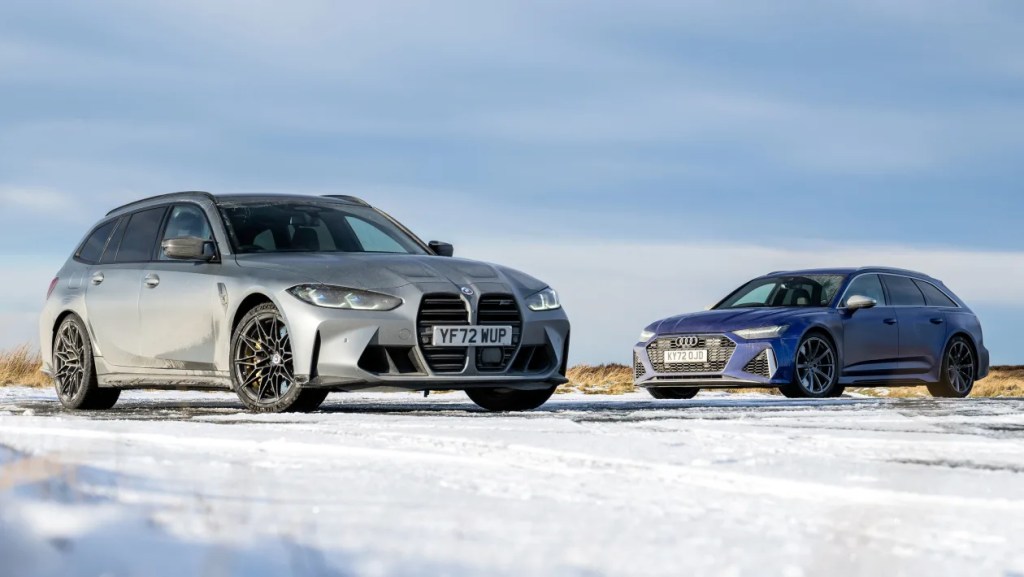
    Perhaps the most vivid illustration of this evolving rivalry came in a Carwow drag race where Mat Watson lined up an Audi RS6 Avant against a BMW M3 Touring. Despite a significant price and size difference, the lighter M3 Touring emerged victorious. That result wasn’t a fluke. It highlighted how BMW’s chassis focused approach, combined with xDrive, can outperform Audi’s brute power in real world high performance scenarios.
    So which do you choose?

    If you want pedigree, drama, and the peak of traction technology, go for BMW M xDrive models like the M3 or M4 Competition or the flagship XM or M8. You’ll benefit from razor sharp handling, lightning fast launches, and an underlying rear wheel drive soul.

    If you prefer refined performance without full fat M price tags, the M340i, M240i, and M135i deliver torque rich, agile, luxurious performance that is easily driven daily and thrilling when provoked.

    If you are an Audi loyalist who values quattro and under the radar performance, the S range offers torque laden performance and all wheel drive confidence. They are great stepping stones toward RS, even if they lack the edge of full fat RS cars.

    For ultimate performance, the RS range including the RS4, RS6, RS7, and RS Q8 remains formidable. Still, the BMW M lineup faces them head on with true credibility.

    The lines between BMW M and Audi RS have blurred but their core characters remain. BMW brings dynamic finesse, especially with xDrive, while Audi sticks close with quattro backed authority. Don’t underestimate the M Lite variants. They are serious contenders on their own. For adrenaline, practicality, and engineering finesse, the BMW M3 Touring versus RS6 duel might just be the most telling example yet.
  • BMW 320d M Sport xDrive

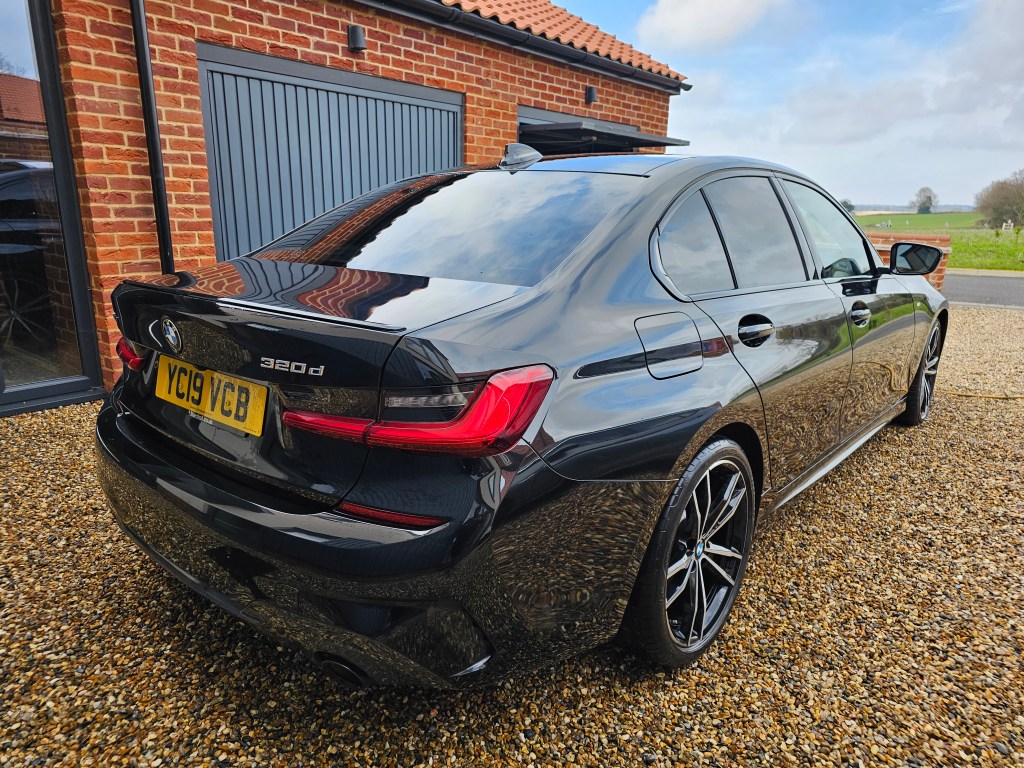
    BMW 320d M Sport xDrive

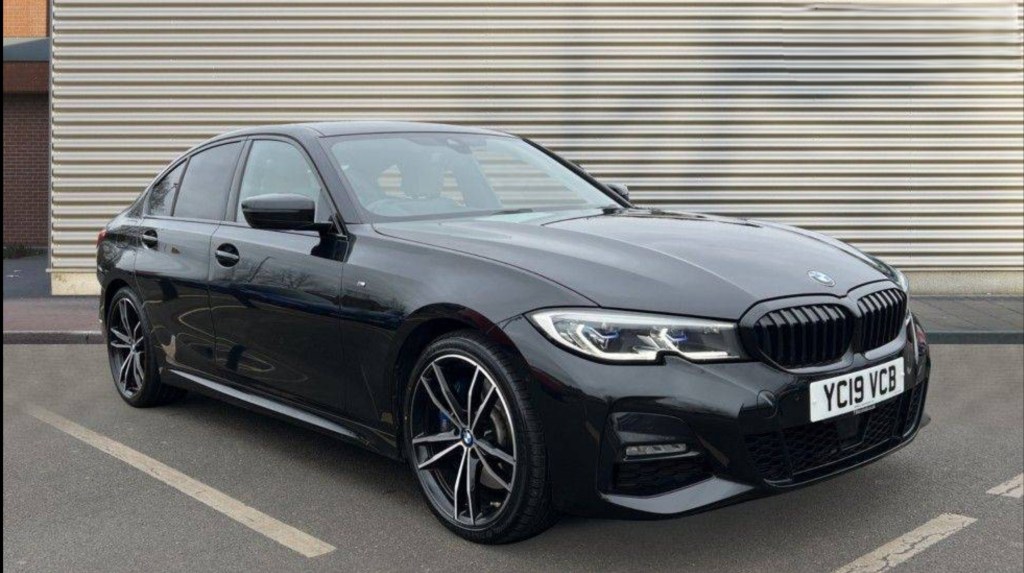
    Over the past few years I have had the opportunity to own and run a range of cars, from powerful petrol performance models to clever hybrids and everything in between. Among them, the G20 BMW 320d xDrive M Sport stands out as one of the most refined and capable all rounders I have had the pleasure of owning. It was a car that played a key role in my work life, tackling A and B road journeys with composure and confidence, while still managing to feel special on the daily drive. Like many of my cars, it eventually made way for something new, not because it disappointed, but simply because I tend to change vehicles often. That, and it had begun to clock up the miles.

    With the M Sport Plus package and striking 19 inch rims, the car had serious road presence. It was not just practical, it looked genuinely brilliant. The body styling, larger brakes, and Shadow Line trim gave it the kind of understated aggression that suits a premium diesel saloon perfectly.

    Under the bonnet, the 320d was powered by a 2.0 litre four cylinder diesel engine pushing out around 190 bhp and 400 Nm of torque. It was smooth, responsive, and paired beautifully with BMW’s eight speed automatic gearbox. The xDrive all wheel drive system was excellent. Whether threading through rain soaked B roads or eating up miles on the motorway, traction and stability were always on point. It gave a sense of confidence in poor conditions that rear driven models simply cannot match.

    Fuel economy was another strength. While official figures hovered around 50 mpg, I regularly saw high 40s on longer runs. In a world where fuel prices keep creeping up, that kind of economy without sacrificing performance is a win.

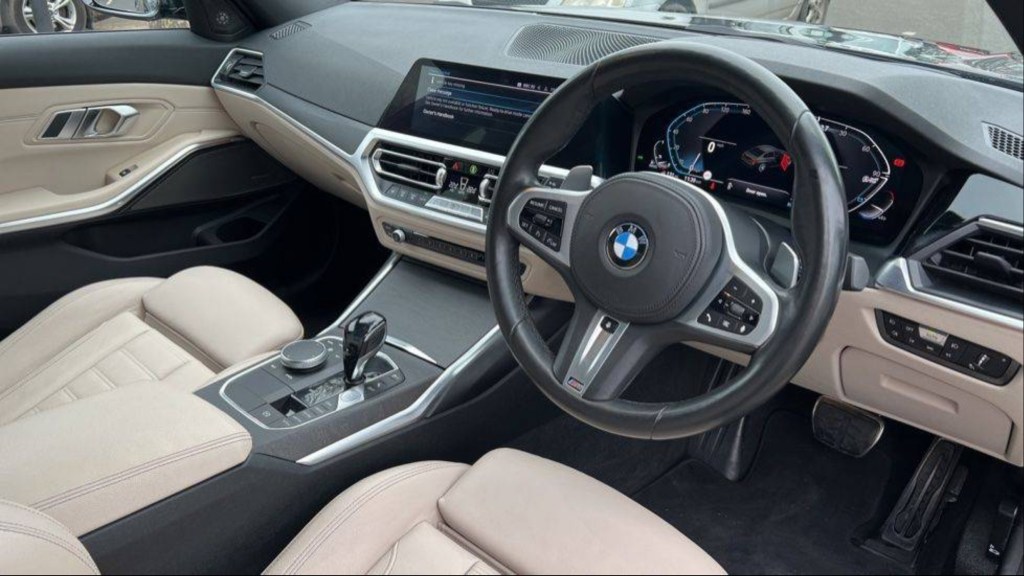
    Step inside and the cabin really impressed. Mine came with oyster leather seats and optional wooden trim, thankfully with no piano black plastic in sight. The finish was tasteful, mature, and built to a high standard. The optional head up display proved genuinely useful for motorway work, displaying speed, navigation and other essentials directly in the line of sight. It is the sort of tech that once you have had, you miss in everything else.

    Of course, being a German marque, a lot of these desirable features were optional extras. This is not unique to BMW, Audi and Mercedes are just as guilty, but it is worth noting that many of the things that made this car feel special were added at build stage. Still, when well specced like mine, the result was a car that felt just as premium on the inside as it looked from the outside.

    The handling was classic BMW. Even with xDrive, it retained that well judged steering and rear bias when pushed. It was responsive and composed, but never harsh. The ride, especially with the adaptive suspension, struck a lovely balance between sporty and supple.

    In short, the BMW 320d xDrive M Sport was an exceptional machine. Smart, efficient, good looking and genuinely enjoyable to drive. It made light work of long commutes, never once let me down, and was every bit as classy and capable as you would expect from a car wearing the M Sport badge. It is one I still look back on fondly, and if it were not for my habit of changing cars so often, I would have been happy to keep it even longer.

  • Are Electric Hot Hatches the Future or Will We Miss Petrol Too Much?

    Are Electric Hot Hatches the Future or Will We Miss Petrol Too Much?

    For decades, the hot hatch has been a symbol of accessible fun: punchy performance, agile handling, and just enough practicality to justify it to your partner. Cars like the Mk5 Golf GTI, Peugeot 205 GTi and Focus ST have long defined this category. But now we are standing on the edge of a new chapter: the electrified hot hatch.

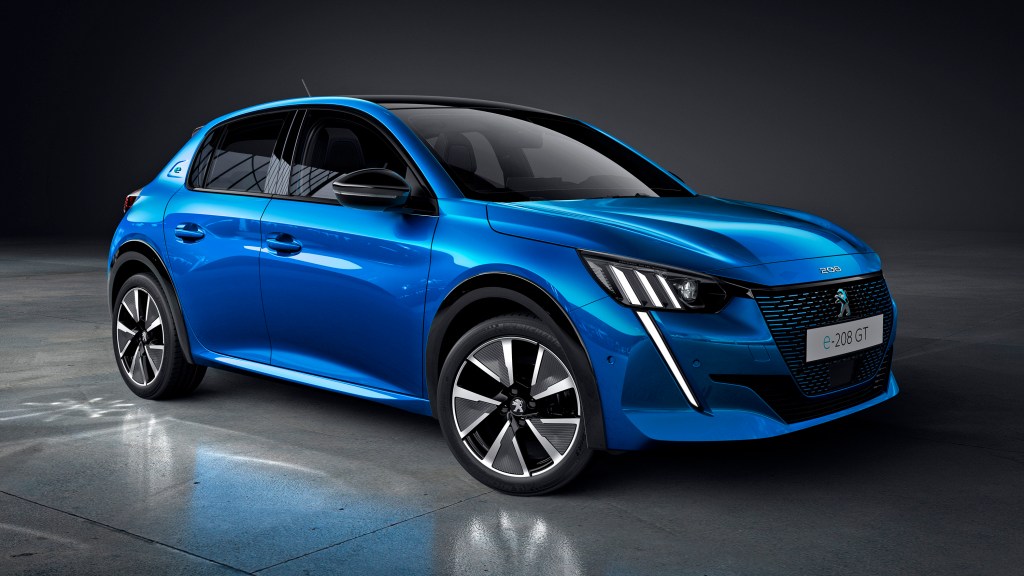
    Leading this charge is the upcoming Peugeot E208 GTi. Due in 2025, it is an all-electric take that channels the spirit of the original 205 GTi with 276 bhp, a 0 to 60 time of 5.6 seconds, and precision-focused chassis tuning. Peugeot promises the adaptive suspension and low centre of gravity will provide a driving purity that enthusiasts feared might disappear with combustion.

    But here is the real question: can an EV genuinely capture the essence of the hot hatch? And will we be willing to live with the limitations that come with electric power in exchange for new thrills?

    What we are gaining in this transition is a different kind of performance. Cars like the Hyundai Ioniq 5 N have already demonstrated that electric vehicles can deliver raw excitement. With 641 bhp, a simulated gearshift and even artificial engine noise, it is surprisingly engaging. However, it is more of a high-performance EV than a classic hot hatch, both in size and character.

    The E208 GTi promises something closer to the traditional formula. Smaller than a Golf and lighter than most electric cars, it is aimed at delivering agility rather than brute force. Instant torque, direct front-wheel-drive response, and a compact footprint all point to a car designed for driver enjoyment rather than outright dominance.

    There are, however, inevitable compromises. The projected range of around 250 miles is respectable, but drive it with enthusiasm and you can expect considerably less. For most people doing short commutes or weekend blasts on back roads, that is manageable. But for those living rurally or regularly covering long distances, range anxiety remains a real consideration.

    Then there is the emotional aspect. A hot hatch has always been more than numbers on a spec sheet. The fizz of a high-revving petrol engine, the mechanical connection through a manual gearbox, and even the imperfections that give character — these are experiences that simulated gear shifts and synthetic engine notes struggle to replicate. The charm of a Peugeot 306 Rallye on full throttle is not easy to digitise.

    That said, the landscape is changing quickly, and the E208 GTi will not be alone for long. Other electric hot hatches are in the pipeline. The Abarth 500e offers characterful, if limited, thrills. The retro-styled Renault 5 E-Tech, due in 2025, is shaping up to be a charismatic contender. The latest Mini Cooper SE brings agile handling and strong acceleration in a compact package. Volkswagen’s ID2 GTI, expected in 2026, is perhaps the most direct challenger, promising to deliver on the GTI name’s legacy while adapting to the electric era.

    Yet on the petrol-powered side, models like the Toyota GR Yaris, Hyundai i20 N and, until recently, the Ford Fiesta ST, remind us what we are potentially giving up. There is something unmistakably alive about a small petrol car with a manual gearbox and a playful chassis.

    We are not quite at a crossroads, but we are approaching one. Electric hot hatches are arriving, and by most accounts, they are shaping up to be more exciting than many expected. But can they truly replace the experience of a great petrol hatchback?

    For now, there is still time to enjoy both worlds. Petrol hot hatches are still out there, still engaging, still worth owning. But for those looking ahead, the Peugeot E208 GTi and its electric rivals offer a glimpse of a different kind of fun — one that is quieter, cleaner, and no less involving.

    Would you trade your Focus ST or Polo GTI for an electric rival? Is a 250 mile range good enough for real-world use, or do you need the long-legged flexibility of a tank of unleaded? As the market shifts, those choices are becoming more real.

    And when the E208 GTi arrives, we will be finding out for ourselves just how much of the old hot hatch magic really makes it through the plug.

  • Audi S4 3.0 TFSI 2017

    Audi S4 3.0 TFSI 2017

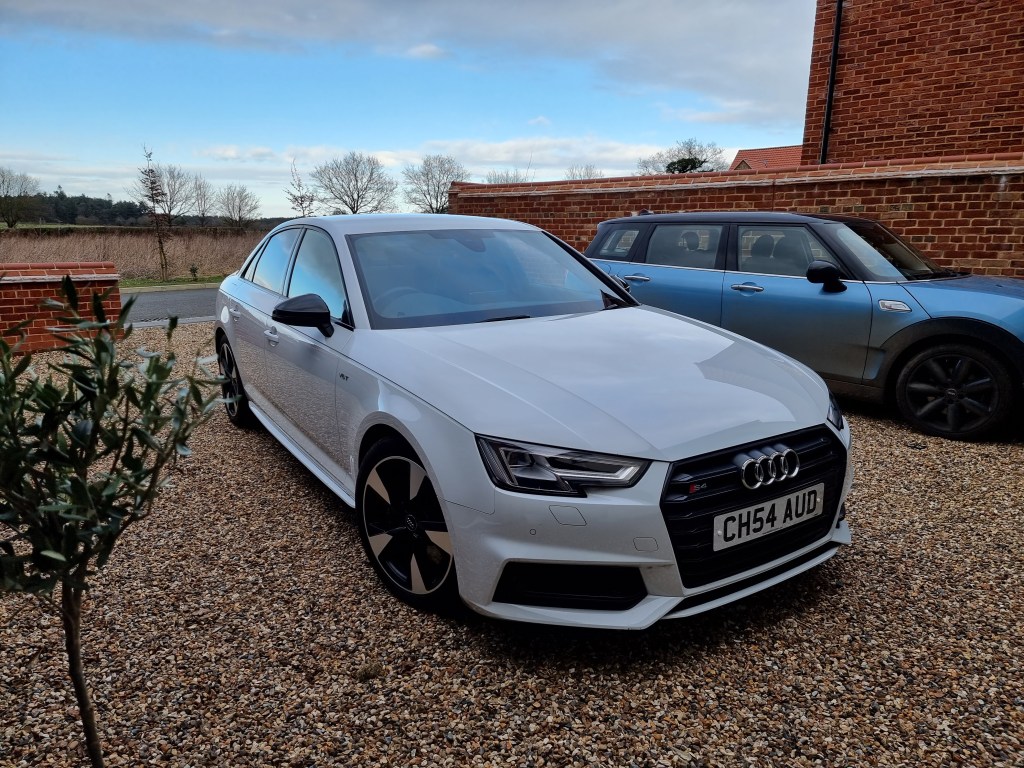
    The Audi S4 B9 3.0 TFSI from 2017 remains one of the most complete and well-rounded performance saloons I’ve had the pleasure of owning. It was a car that felt just right in so many situations. Whether carving through twisty Norfolk B-roads or cruising with the family in comfort, it never felt out of place. It was both an athletic sprinter and a refined long-distance cruiser.

    Powered by a turbocharged 3.0 litre V6 petrol engine producing 354 bhp and 369 lb ft of torque, it replaced the previous generation’s supercharged unit with more power and less weight. Acceleration was immediate and addictive. The quattro all wheel drive system and smooth shifting eight speed Tiptronic gearbox meant 0 to 62 mph was dispatched in just 4.7 seconds. Combined with the relentless traction from the quattro system, the car felt planted and confident even when conditions were far from ideal.

    This wasn’t a car you had to drive fast to enjoy either. In Comfort mode, it cruised along the motorway with ease, offering a refined ride and hushed cabin. Audi’s Drive Select system allowed you to tailor the driving characteristics to suit your mood. Dynamic mode gave you the sharper throttle response and weightier steering you’d expect when pressing on, while Comfort softened everything for long-distance ease.

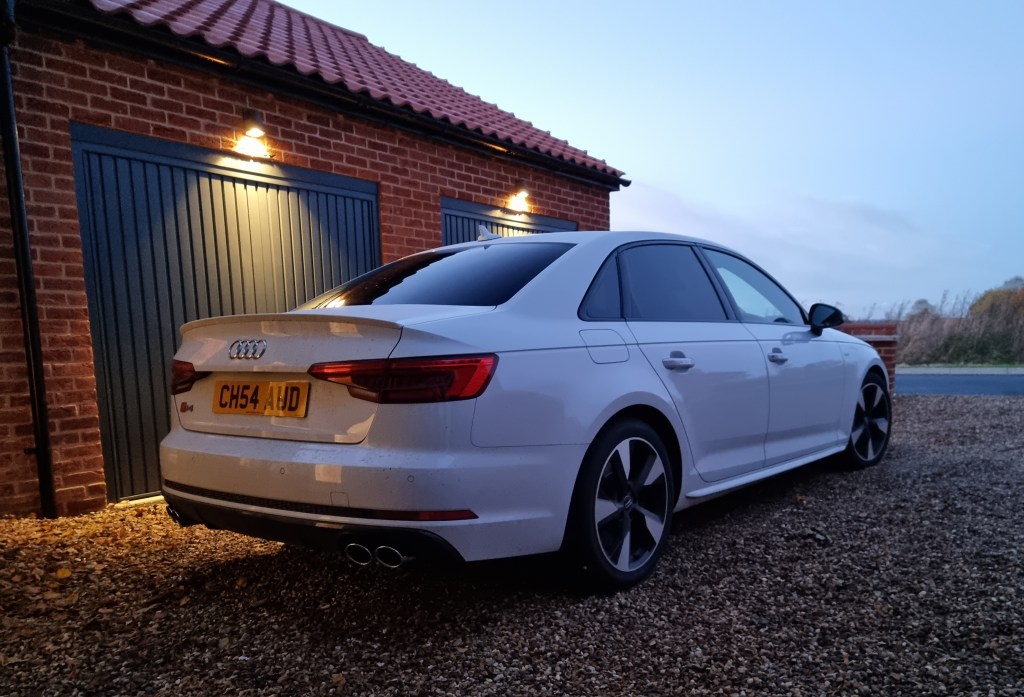
    The interior was another standout feature. Typical Audi quality was on full display, with premium materials, brushed aluminium trim and intuitive MMI controls. My particular model came with the optional massaging front seats which made longer journeys genuinely relaxing. The combination of white exterior paintwork and the Black Edition styling package gave the car real presence on the road without being shouty. It looked every bit as fast as it was.

    One of the often overlooked aspects of the B9 S4 is just how tuneable it is. With 034Motorsport offering an easy ECU flashing solution, the engine can be safely pushed to even more impressive levels. Gains of over 400 bhp are well within reach with just a Stage 1 tune, which transforms the car from quick to seriously rapid.

    To give the S4 context within Audi’s performance range, it traditionally sat just below the RS4 Avant, offering a more discreet and approachable take on Audi’s go-fast estate and saloon lineup. While not quite as hardcore as the RS cars, the S4 delivered a near perfect balance of pace, luxury and usability. In more recent years, the S4 badge has transitioned away from petrol power in favour of a V6 TDI diesel setup in Europe, with the S5 now effectively replacing the S4 in some markets. The diesel versions still offer plenty of torque and all weather confidence, but the character and rev-happy nature of the older petrol-powered B9 is sorely missed by enthusiasts.

    Of course, it wasn’t without its downsides. Fuel economy wasn’t great. Officially it could return around 39 mpg combined but in reality I found it more in the low to mid 20s in mixed driving. The small tank and fairly thirsty V6 meant visits to the pump were more regular than I’d have liked.

    Still, the S4 delivered such a well judged balance of performance and everyday usability that it was hard to fault. It could be fun, fast, refined and practical all in the same day. Sadly, I had to part ways with it due to an increasingly long commute, but it remains one of the most memorable and versatile cars I’ve owned.

    If you’re after a quick saloon that doesn’t compromise on comfort or class, the 2017 Audi S4 B9 is still a top choice.

  • Why Skoda is no longer the underdog – it might just be the smartest buy right now

    Why Skoda is no longer the underdog – it might just be the smartest buy right now

    f you’d told me a few years ago that I’d be seriously weighing up a Skoda Octavia over a Volkswagen Golf, I’d probably have dismissed it out of hand. Like many enthusiasts, I grew up with the old jokes and assumptions about Skoda being the punchline brand—the one you bought because it was cheap, not because you actually wanted it.

    But times have changed. Dramatically.

    Skoda is now one of the sharpest players in the game. The current lineup is no longer the stripped-out, bargain-basement version of Volkswagen. In fact, it might just be the sweet spot of the entire VAG group. Same tried-and-tested platforms, same engine choices, and often the same interior tech, but with more space, clever practicality and less fuss. I’m now at a point where I would take an Octavia over a Golf without hesitation, and a Superb over a Passat every time.

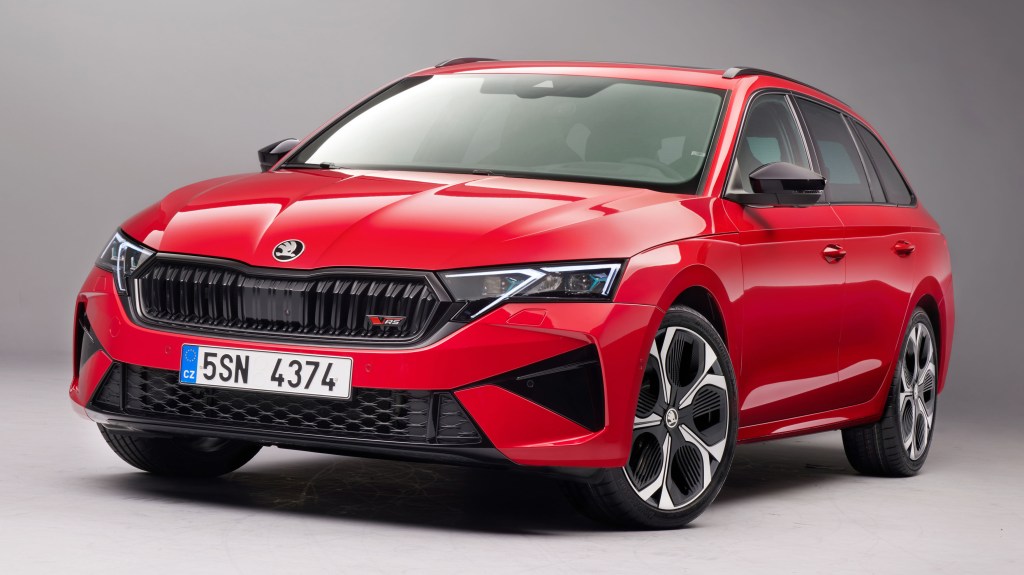
    When I was shopping around before settling on the Astra GSe, the Octavia was a genuine contender. With its sharp, clean lines, crisp detailing and understated confidence, it looks more refined than it has any right to at that price point. The cabin, too, is impressively put together. It may not scream luxury, but it is clean, well laid out and impressively solid. The infotainment system is the same as you’ll find in VW group siblings, with all the familiar digital controls, but the overall cabin experience is calmer, roomier and more geared toward real-life use.

    What Skoda really excels at, though, is the details. Things like umbrellas built into the doors, an ice scraper tucked into the fuel cap, boot nets, reversible load floors, bag hooks, and simple user-friendly ergonomics. These aren’t headline features, but they add up. They make you feel like someone actually thought about how people use their cars day to day. And when you’re commuting long distances or ferrying kids around, that kind of design starts to matter a lot more than having brushed aluminium trim or configurable ambient lighting.

    Performance-wise, Skodas might not feel the most thrilling, but they are incredibly capable. The Octavia vRS, for instance, shares its powertrain with the Golf GTI but delivers it with a bit more restraint and a lot more practicality. And when it comes to economy and long-distance comfort, it is hard to beat. The Superb takes that even further, offering near-luxury saloon levels of ride quality, rear legroom that rivals executive class cars, and a smooth, relaxing drive that just makes sense for big mileage drivers.

    Perhaps the most surprising part is the shift in brand perception. Skoda is no longer the brand you settle for. It is now the brand you actively choose if you want honest, well engineered cars that do everything you need without trying to impress anyone else. I used to think of them as the rational choice. Now I think they are also the right one.

    Had the dealer offer been just a little different, there’s a real chance I’d be writing this as an Octavia owner instead of an Astra GSe driver. And honestly, I don’t think I’d have regretted it.