The way we experience a luxury car begins the moment we slide into the driver’s seat. Soft leathers under our fingertips warm to the touch and genuine wood trim catches the light in subtle patterns. That feeling is under threat. Today’s German marques still deliver spectacular cabin design and cutting edge technology, but the materials that once defined their premium character are showing signs of a slow decline.
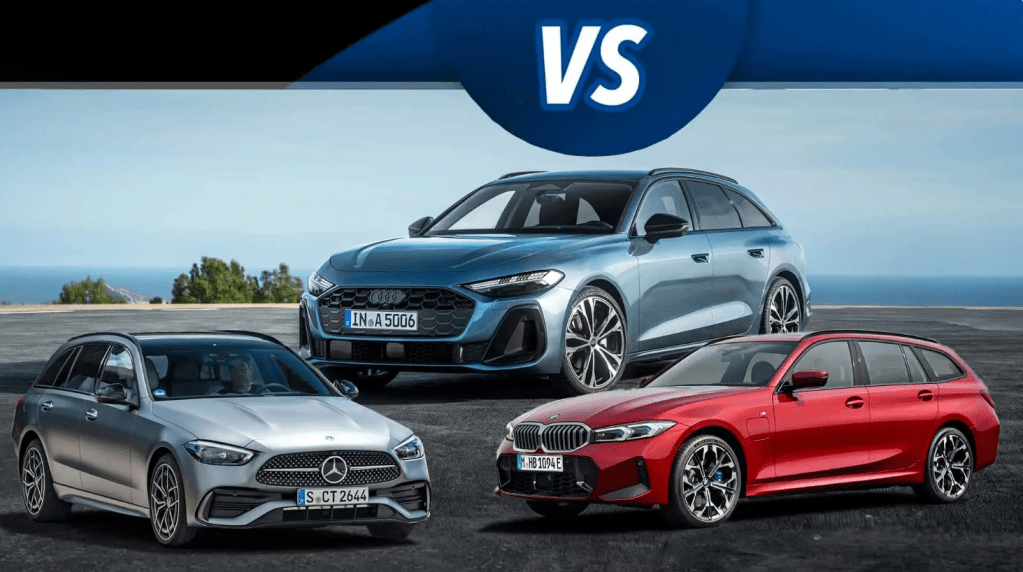
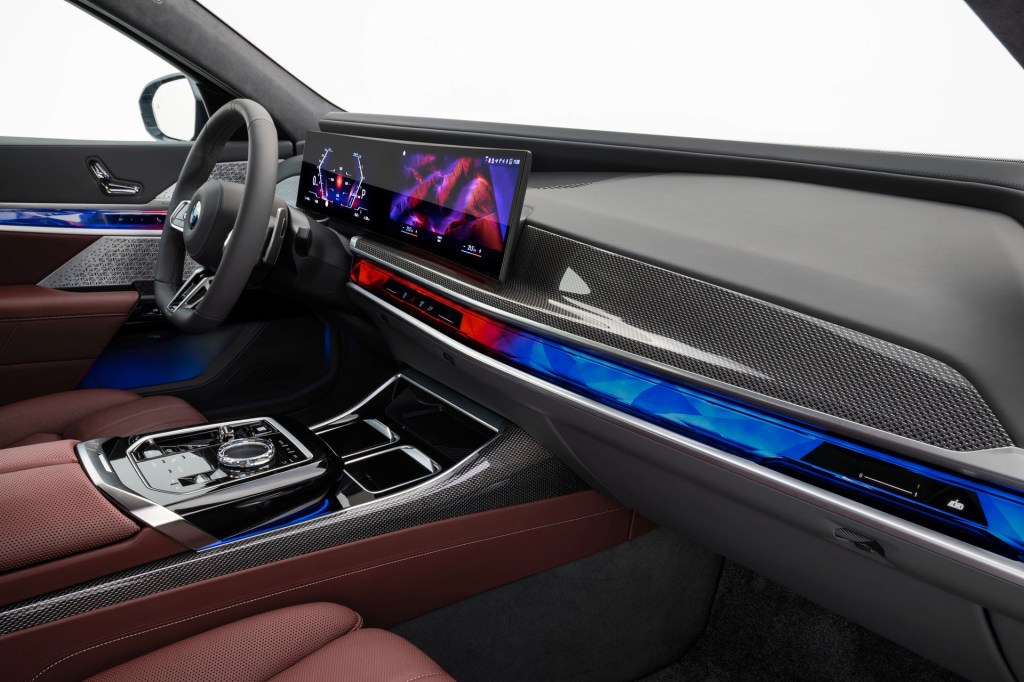
Step inside a modern Mercedes Benz and you will be struck by the sweeping digital displays and ambient lighting that gives the cabin a futuristic glow. Yet if you press around the door panels or give the console a gentle tap you may hear a hollow echo or feel a slight flex in the plastic beneath what appears to be stitched leather. In models from ten years ago that same area would have been cloaked in supple padded urethane and solid metal accents. Now the visual effect remains impressive, but the tactile reality has tilted towards cost efficiency rather than long term solidity.
Audi has followed a similar path. A decade back the A6 and A8 interiors felt resolutely premium thanks to thick door armrests, deep pile carpets beneath your feet and richly grained wood inlays. Today’s examples rely on thin laminate veneers over injection moulded panels. The familiar click of mechanical buttons has been replaced by silicone topped touch pads that offer little audible feedback. Stunning graphics welcome you on the virtual cockpit, but ask yourself whether a glossy black surface with no real texture can ever match the reassuring feel of heavy metal switchgear.
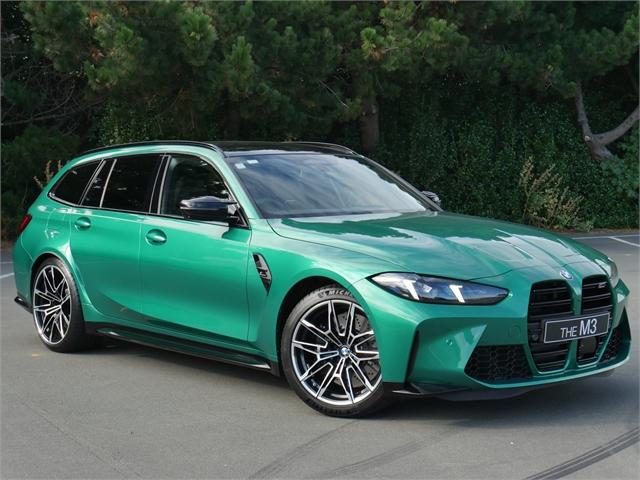
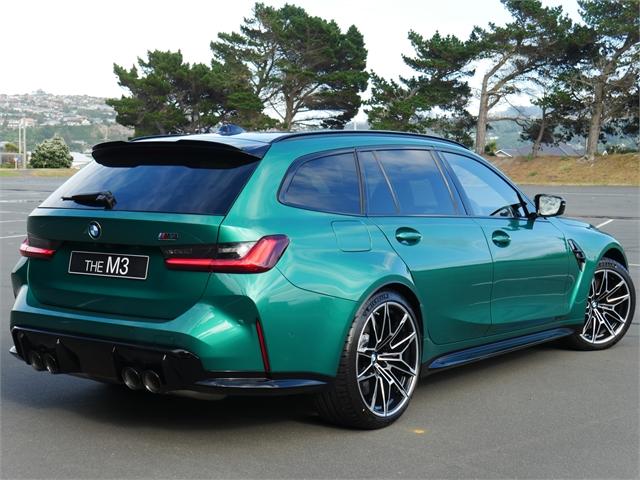
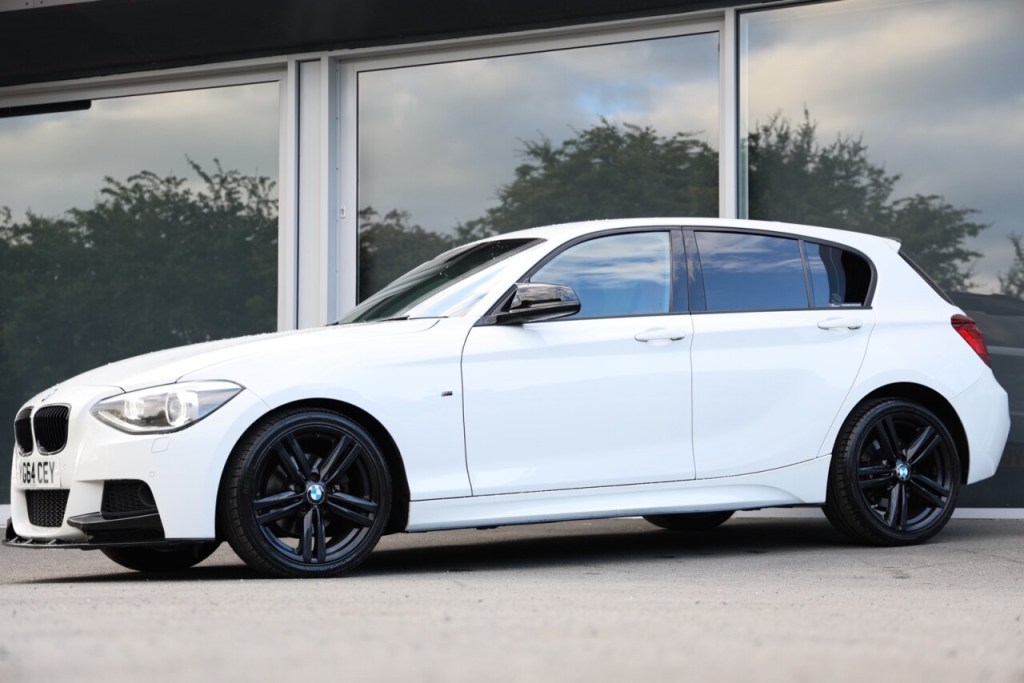
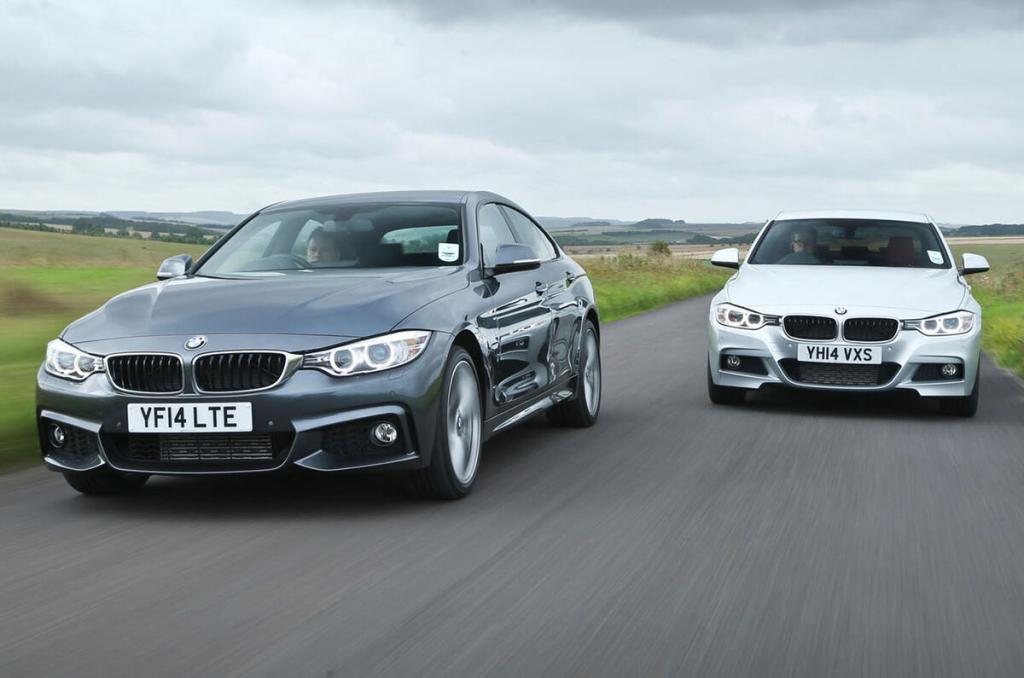
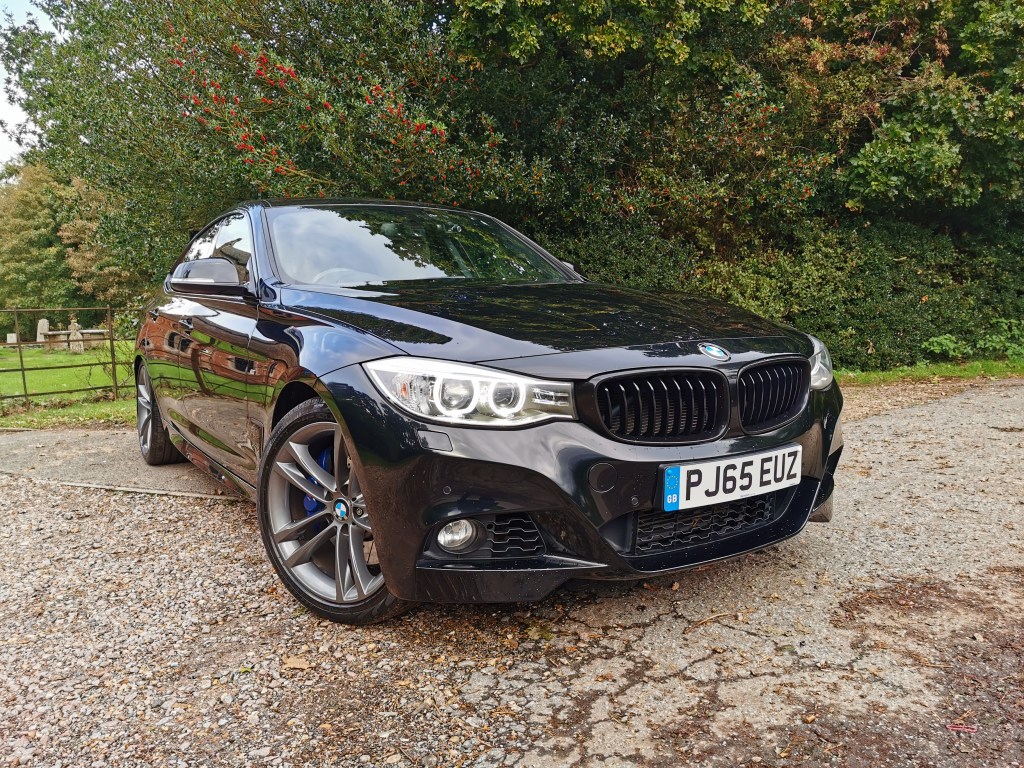
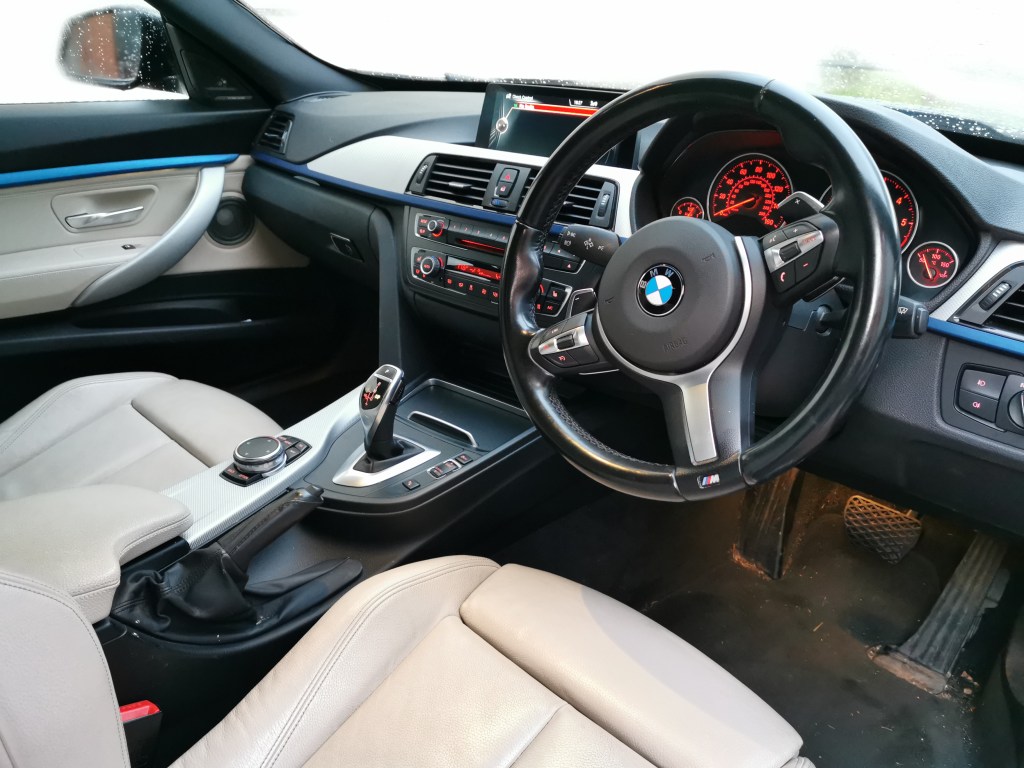
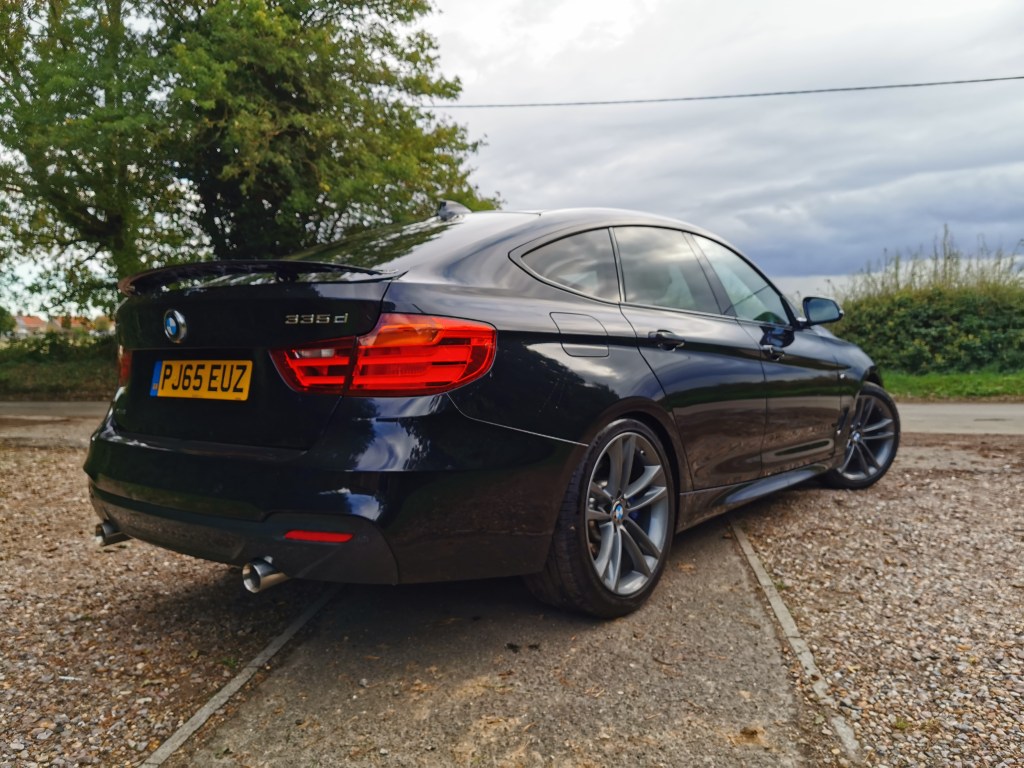
BMW’s cabins have long been celebrated for driver focus and solid construction. The layout places every control within easy reach and materials once balanced premium softness with purposeful firmness. Recent three and five series models retain their ergonomic excellence but you will notice harder plastics on knees and inner doors that feel more utilitarian than luxurious. What once felt like natural, welcoming surfaces now registers as efficient factory tooling rather than craftsmanship.
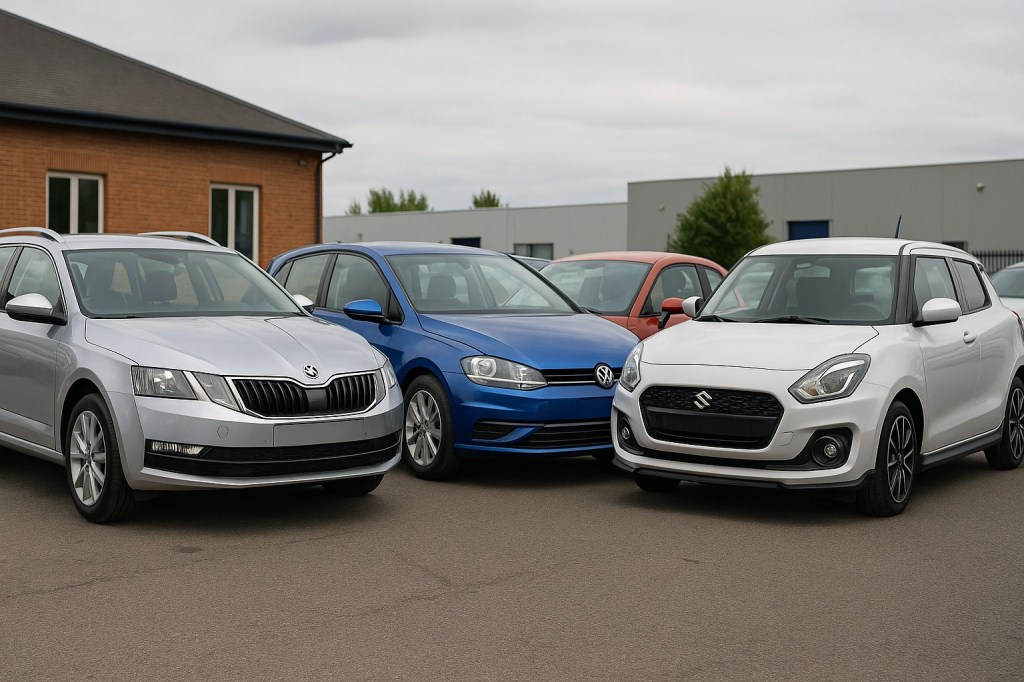
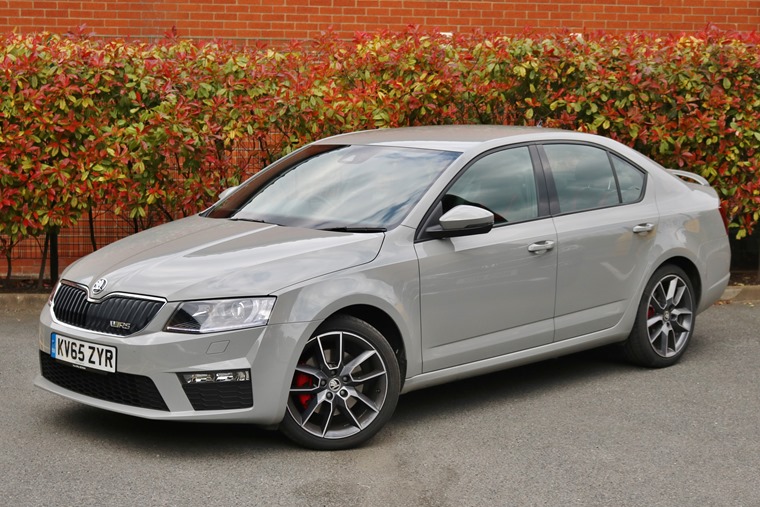
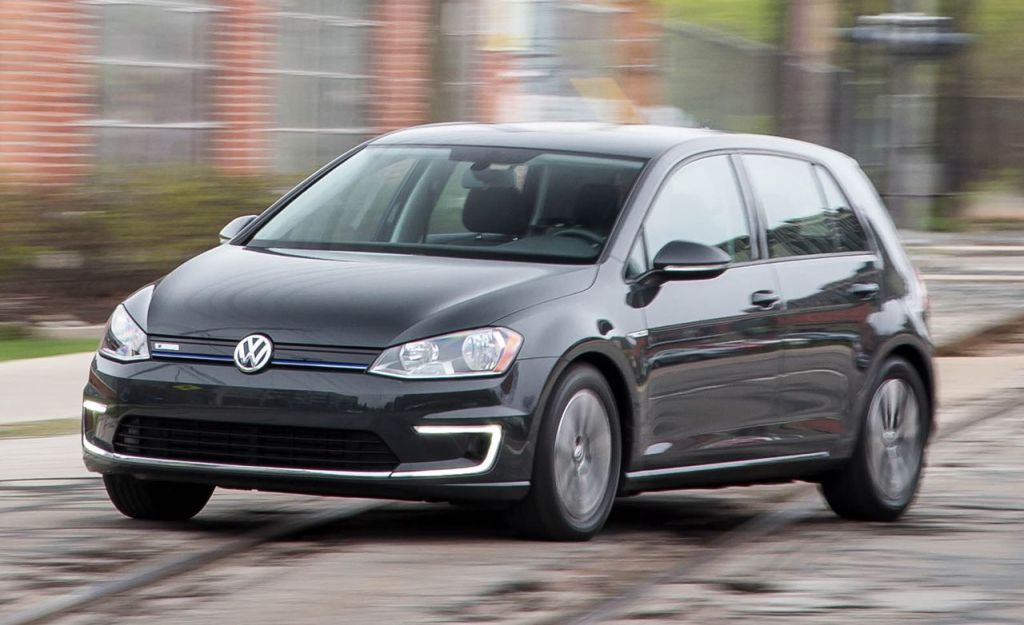
Even Volkswagen, historically a step below the luxury marques but praised for surprising levels of refinement, has begun to strip back its interiors. Climate and lighting controls have vanished in favour of blank touch sensitive panels. This reduces assembly complexity and part counts yet leaves the driver hunting for an on off switch that once sat clearly on the centre console. The result is a minimalist aesthetic that comes at the price of intuitive, tactile control.
Looking ahead, the industry is moving towards recycled and renewable materials. Biocomposite trims can mimic the warmth of real wood, and regenerated leathers promise cruelty‑free softness. Carpets made from reclaimed fibers are rolling out in greater volume. But producing these materials to the exacting colour and durability standards that luxury buyers expect often costs more up front. If discerning customers demand the same sense of natural depth and resilience they have enjoyed for decades, manufacturers will need to maintain strict quality control throughout every stage of mass production.
At the same time, the gap between premium and less premium brands is rapidly closing. The same infotainment screens, driver‑assist systems, and even climate‑control features once reserved for the top Audi, BMW, and Mercedes models now appear as standard‑issue on vehicles like my Astra GSe – yes that’s right, a Vauxhall! This convergence of technology and materials means that it is no longer enough for luxury manufacturers simply to out‑tech the competition. They must also prove that their cabins still offer a sensory richness—warm leather, authentic wood, and satisfying feedback on every control—that sets them apart from the rest of the market. Only by marrying sustainability with uncompromising quality can they preserve the hallmarks of true luxury motoring.