Tag: mercedes-benz

  • Premium or Plastic?

    Premium or Plastic?

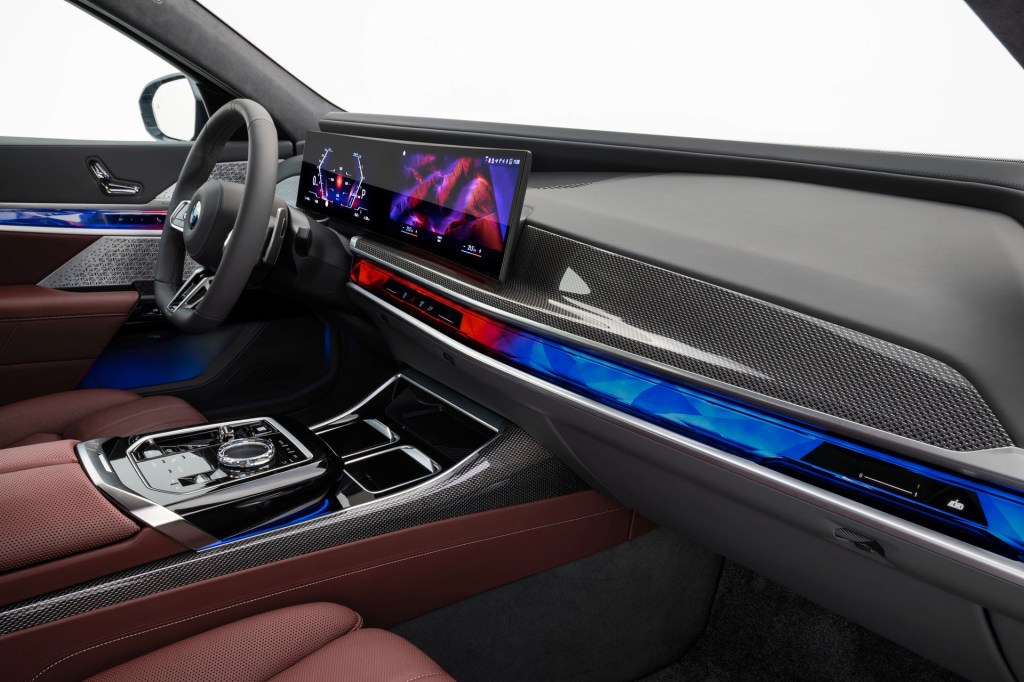
    The way we experience a luxury car begins the moment we slide into the driver’s seat. Soft leathers under our fingertips warm to the touch and genuine wood trim catches the light in subtle patterns. That feeling is under threat. Today’s German marques still deliver spectacular cabin design and cutting edge technology, but the materials that once defined their premium character are showing signs of a slow decline.

    Step inside a modern Mercedes Benz and you will be struck by the sweeping digital displays and ambient lighting that gives the cabin a futuristic glow. Yet if you press around the door panels or give the console a gentle tap you may hear a hollow echo or feel a slight flex in the plastic beneath what appears to be stitched leather. In models from ten years ago that same area would have been cloaked in supple padded urethane and solid metal accents. Now the visual effect remains impressive, but the tactile reality has tilted towards cost efficiency rather than long term solidity.

    Audi has followed a similar path. A decade back the A6 and A8 interiors felt resolutely premium thanks to thick door armrests, deep pile carpets beneath your feet and richly grained wood inlays. Today’s examples rely on thin laminate veneers over injection moulded panels. The familiar click of mechanical buttons has been replaced by silicone topped touch pads that offer little audible feedback. Stunning graphics welcome you on the virtual cockpit, but ask yourself whether a glossy black surface with no real texture can ever match the reassuring feel of heavy metal switchgear.

    BMW’s cabins have long been celebrated for driver focus and solid construction. The layout places every control within easy reach and materials once balanced premium softness with purposeful firmness. Recent three and five series models retain their ergonomic excellence but you will notice harder plastics on knees and inner doors that feel more utilitarian than luxurious. What once felt like natural, welcoming surfaces now registers as efficient factory tooling rather than craftsmanship.

    Even Volkswagen, historically a step below the luxury marques but praised for surprising levels of refinement, has begun to strip back its interiors. Climate and lighting controls have vanished in favour of blank touch sensitive panels. This reduces assembly complexity and part counts yet leaves the driver hunting for an on off switch that once sat clearly on the centre console. The result is a minimalist aesthetic that comes at the price of intuitive, tactile control.

    Looking ahead, the industry is moving towards recycled and renewable materials. Biocomposite trims can mimic the warmth of real wood, and regenerated leathers promise cruelty‑free softness. Carpets made from reclaimed fibers are rolling out in greater volume. But producing these materials to the exacting colour and durability standards that luxury buyers expect often costs more up front. If discerning customers demand the same sense of natural depth and resilience they have enjoyed for decades, manufacturers will need to maintain strict quality control throughout every stage of mass production.

    At the same time, the gap between premium and less premium brands is rapidly closing. The same infotainment screens, driver‑assist systems, and even climate‑control features once reserved for the top Audi, BMW, and Mercedes models now appear as standard‑issue on vehicles like my Astra GSe – yes that’s right, a Vauxhall! This convergence of technology and materials means that it is no longer enough for luxury manufacturers simply to out‑tech the competition. They must also prove that their cabins still offer a sensory richness—warm leather, authentic wood, and satisfying feedback on every control—that sets them apart from the rest of the market. Only by marrying sustainability with uncompromising quality can they preserve the hallmarks of true luxury motoring.
  • Hot Hatch Royalty: BMW vs Audi vs VW vs Mercedes

    Hot Hatch Royalty: BMW vs Audi vs VW vs Mercedes

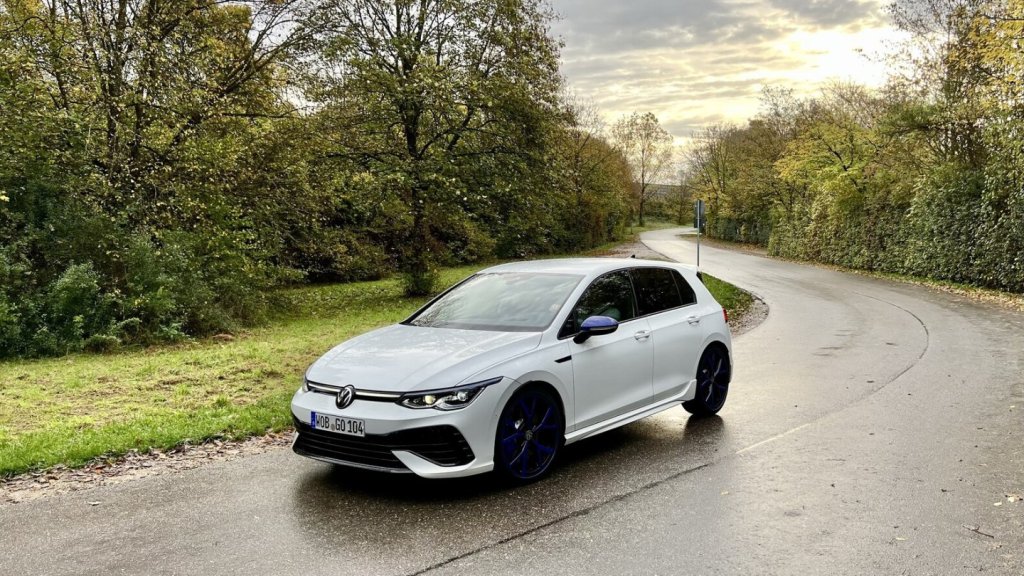
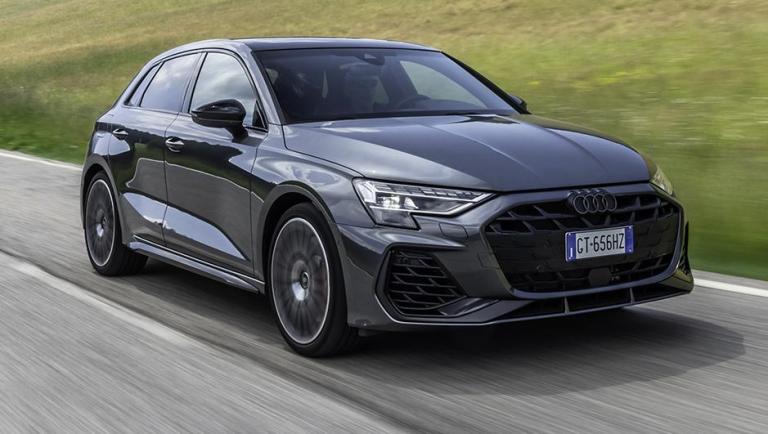
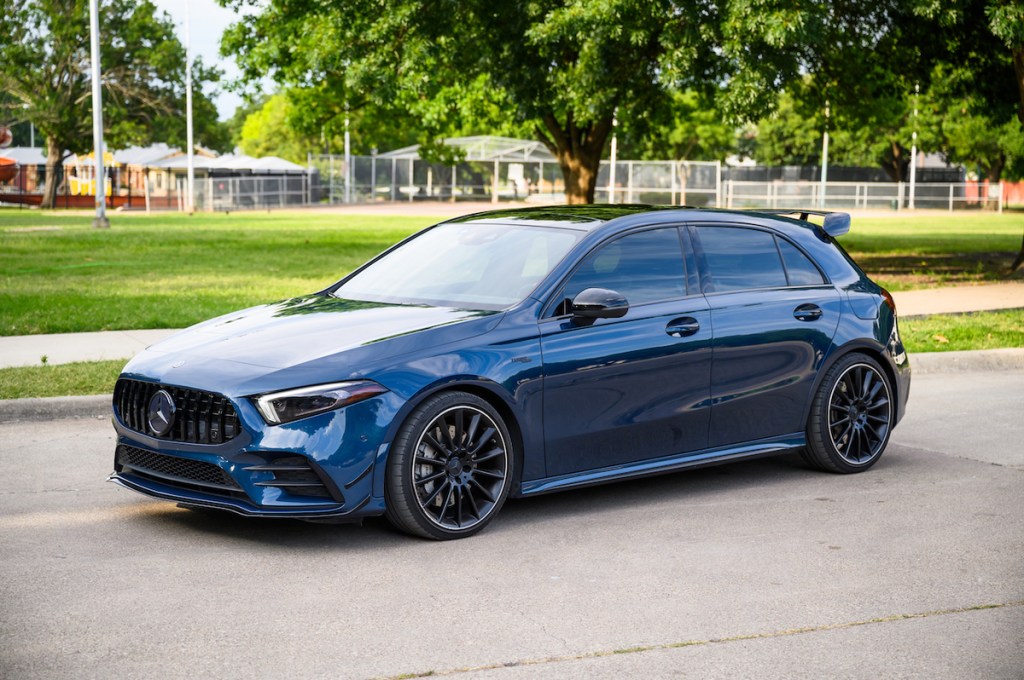
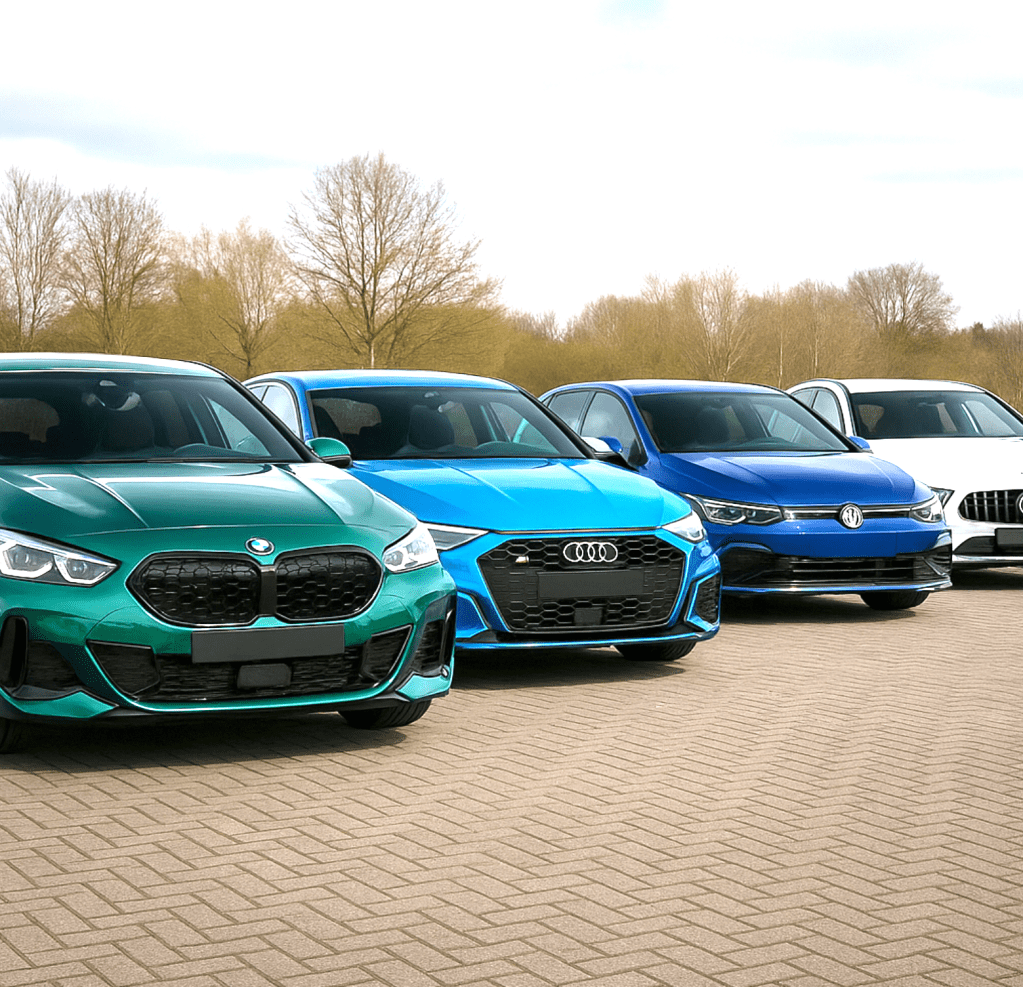
    If you’re after a fast, premium German hatchback that blends pace, practicality and all-weather confidence, there are few better contenders than the BMW M135, Volkswagen Golf R, Audi S3 and Mercedes A35 AMG. Each offers strong performance from a turbocharged 2.0 litre engine, four-wheel drive and the badge appeal that comes with a premium manufacturer. But how do they compare?

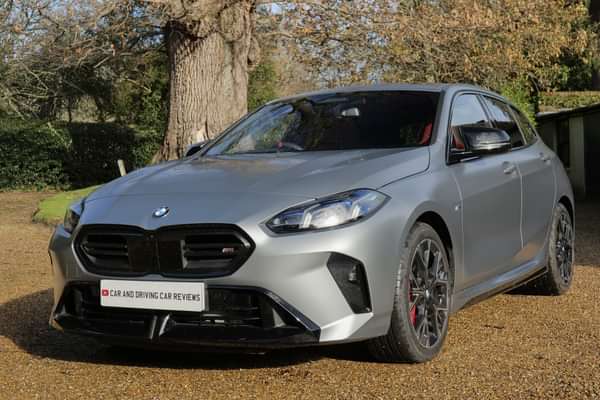
    The BMW M135 delivers 300 horsepower and hits 60 mph in under five seconds. It is one of the most economical in this group in real-world driving, with mid-thirties mpg achievable. The steering is precise, the xDrive system is confident in all conditions, and the chassis is composed enough for enthusiastic back road driving. The looks are more subtle than aggressive, with a bluff front end that divides opinion, but the shadow line trims and M Sport detailing help it stand out. Inside, the cabin feels well made and intuitive, with a straightforward layout and an infotainment system that remains one of the best in class.

    The Volkswagen Golf R sits at the top of the Golf range with 328 horsepower and even sharper performance, managing 0–60 mph in just over four seconds. On the road, it feels mature and controlled, making it a brilliant daily driver as well as a weekend fun car. Its appearance is conservative but clean, with quad exhausts and subtle R badges hinting at the power underneath. The interior is smart and minimal, although the touch-sensitive climate and infotainment controls can be frustrating to use on the move. Still, the materials feel good and the digital cockpit is crisp.

    The Audi S3 is the most understated of the bunch. With 306 horsepower and quattro grip, it flies off the line and provides a secure, planted drive. The ride is slightly firmer than the Golf but not uncomfortable. Styling is sleek and low-key, with a clean front end and discreet side skirts. The S3’s interior stands out for build quality and tech layout. The virtual cockpit and central screen are easy to use, and the driving position feels spot on.

    Then there’s the Mercedes A35 AMG. It brings flair with its aggressive grille, large wheels and sporty bumpers. The 306 horsepower engine sounds the most exciting and the drive is punchy, although it feels heavier and slightly less agile than the others. The cabin is a visual treat with sweeping screens, turbine-style vents and high-end materials. But while the tech is impressive, some features take a while to get used to and the ride quality can be less forgiving on poor roads.

    Choosing between them is tough. The M135 is for those who value sharp handling and efficiency. The Golf R blends performance with everyday comfort. The S3 offers refinement and high-quality tech in a sleek package. The A35 brings drama and presence, with an interior that looks and feels luxurious. Then of course, the look and feel of a car play a personal choice for us all. Each car delivers in its own way. For me personally, it would be between the M135 and Golf R.

  • Mercedes A200d AMG Line Premium 2020

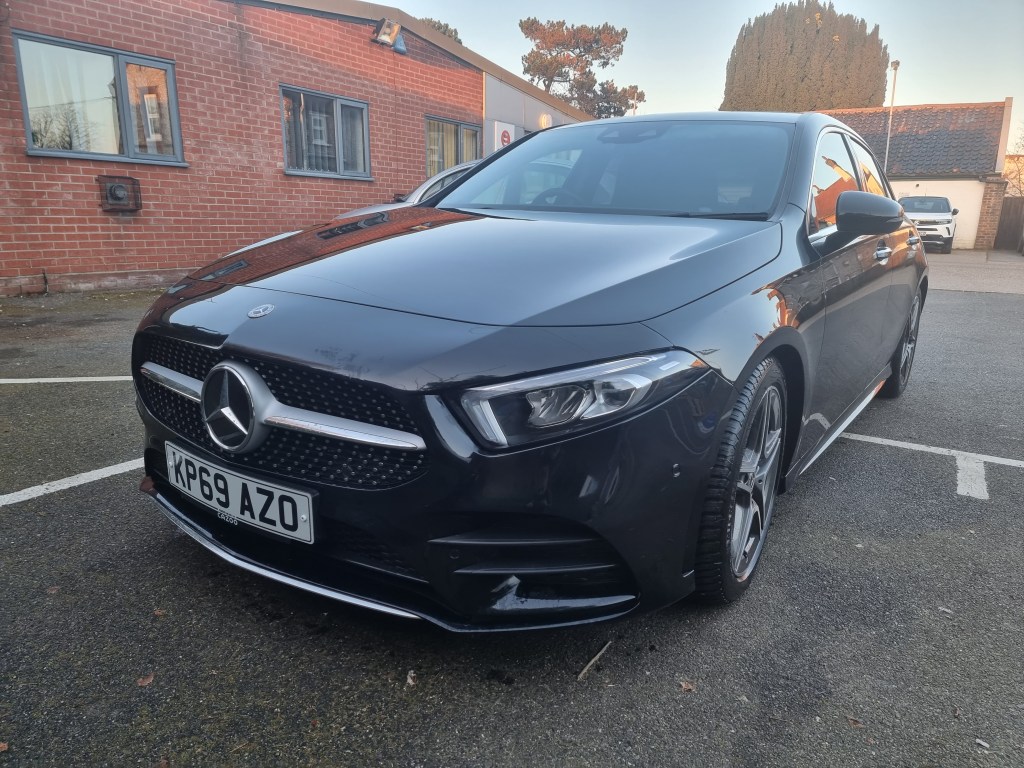
    Mercedes A200d AMG Line Premium 2020

    Let me start with a confession. Parting with my Audi S4 (the one with the soulful, Porsche-developed V6) wasn’t easy. That car had character, performance, and a soundtrack I never got tired of. But with a new job came a new reality: a 100-mile daily commute. And as much as I loved the S4, averaging 24mpg while burning through tyres and brake pads wasn’t exactly sustainable.

    So, reluctantly, I started the search for something… sensible. Economical. Grown-up. A few spreadsheets later, I found myself signing for a Mercedes A-Class A200d AMG Line Premium. I told myself it was temporary. A stopgap. But the truth is, on paper, it made a strong case.

    And to be fair, first impressions were excellent. The A-Class is easily one of the best-looking hatchbacks out there. The AMG Line styling, with its sharp creases, diamond grille and aggressive stance, makes it look far more expensive than it is. It’s a car that turns heads without shouting. The premium vibe continues inside too, with the twin screens, turbine-style vents, ambient lighting, and a design that genuinely impresses – especially if you’ve come from something older or more utilitarian.

    But dig a little deeper and it’s not all gloss. Some of the interior plastics (particularly lower down) feel a bit brittle and out of place in an otherwise sleek cabin. And while the MBUX infotainment system is excellent (responsive, sharp, and intuitive), it’s frankly cheeky that you have to pay a subscription to unlock Apple CarPlay or Android Auto. In 2020. In a premium car. Come on, Mercedes.

    Performance-wise, the 2.0-litre diesel is more than adequate. With 150bhp, it’s not fast in the traditional sense, but it pulls well, cruises effortlessly, and makes light work of long journeys. The fuel economy was a highlight—over 70mpg on a gentle run wasn’t uncommon, and even with spirited driving, it rarely dipped below 50mpg. For someone commuting 500 miles a week, that quickly becomes a big win.

    The automatic gearbox is a little lazy, particularly off the line or when you suddenly need a lower gear. It’s not the sharpest unit, but you learn to anticipate its lag, and it becomes tolerable.

    Sadly, the A-Class fell apart (sometimes literally) in one crucial area: ride quality. This AMG Line version comes with ‘lowered comfort suspension’, and on anything but freshly laid tarmac, it’s just not pleasant. On my Norfolk backroads, it was bouncy, underdamped, and soft, with the car frequently scraping its underside on crests and undulations. It felt like the damping hadn’t been properly calibrated for UK roads – especially not for the countryside.

    And that, ultimately, was its undoing. For all the things the A-Class got right (style, tech, economy) it was let down by that unpredictable, frustrating ride. I could overlook the sluggish gearbox, the plastic buttons, even the subscription nonsense. But not a suspension setup that made every commute a game of “will it scrape this time?” The final straw came when I drove over a discarded coffee cup (yes, an actual paper cup) and the underside still managed to scrape the exhaust. At that point, I realised I wasn’t just dodging potholes anymore – I was dodging litter. That was the moment I knew: it had to go.

    Would I recommend it? Yes – but choose wisely. Avoid the comfort suspension if you live anywhere remotely rural. If your commute is mostly motorway or city-based, it might just be the perfect blend of style, comfort, and efficiency. But for me, it wasn’t built for the kind of roads I had to face every day.

    A good car, just not quite the right one.