Tag: fuel

  • Petrol Choices Explained: What is E10 and E5, and Does it Really Matter?

    Petrol Choices Explained: What is E10 and E5, and Does it Really Matter?

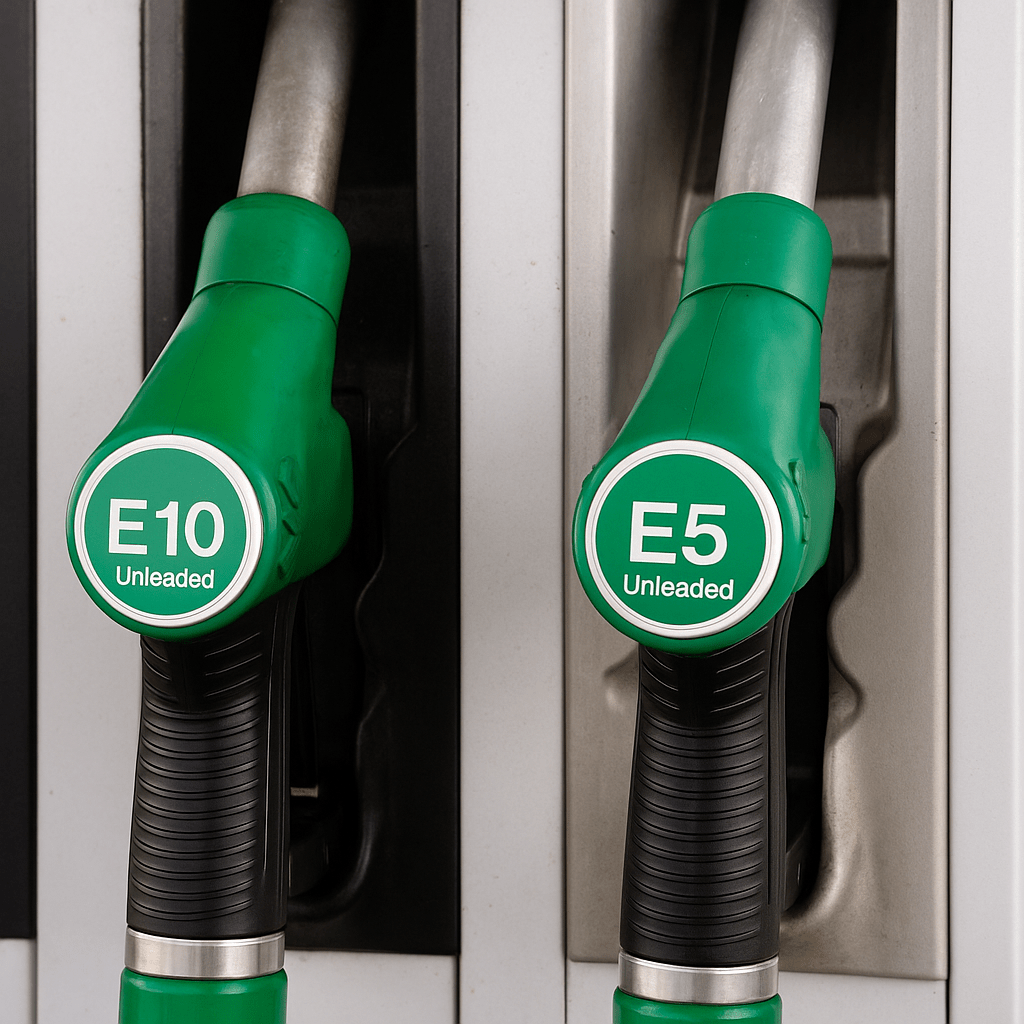
    If you’ve filled up your car recently, you’ve probably seen the labels E10 and E5 at the pump. E10 is now the standard petrol in the UK. It’s cheaper and better for the environment because it contains more ethanol—a type of alcohol made from plants. But just because it’s greener doesn’t always mean it’s better for your car.

    Let’s break it down.

    E10 petrol has up to 10 percent ethanol. Ethanol absorbs water from the air, which can cause problems inside your car over time. If your car sits for long periods without being driven, that moisture can lead to rust or damage in parts like the fuel tank, pipes or injectors. It can also make rubber and plastic parts wear out faster.

    This is especially true for older cars or cars that aren’t used very often. If your car was made before 2011, it may not have been designed to handle this kind of fuel. Using E10 too often could eventually lead to expensive repairs.

    Even if your car is newer, E10 isn’t as efficient as E5. Because ethanol doesn’t produce as much energy, you might notice your fuel doesn’t go quite as far. Studies show E10 can reduce your fuel economy by 1 to 3 percent. That may not sound like much, but over time it can cost you more money at the pump.

    Premium E5 petrol, on the other hand, usually contains only 5 percent ethanol and often comes with a higher “octane rating.” This helps the engine run more smoothly, prevents damage from something called “knocking,” and can help the car stay cleaner inside. That’s why performance cars and engines with a lot of miles often run better on E5.

    It’s not just about speed. Using E5 can help protect your engine, improve reliability, and keep your car running well for longer—especially if it’s older or high mileage.

    If you’ve already filled up with E10, don’t worry. Just try to top up with E5 before your tank gets too low. Mixing the two is safe and can help reduce the negative effects of too much ethanol.

    In Short:

    E10 is fine for most modern cars, but it’s not ideal for older engines or cars that don’t get used often.

    E5 gives better protection, smoother performance and may even save money in the long run. Choosing E5 more often could mean fewer repairs and better driving over time.

    So next time you’re at the pump, it might be worth spending a little extra to fill up with E5. It’s not just about fuel—it’s about looking after your car.
  • The Last Mile: Britain’s Final Generation of Diesel Cars

    The Last Mile: Britain’s Final Generation of Diesel Cars

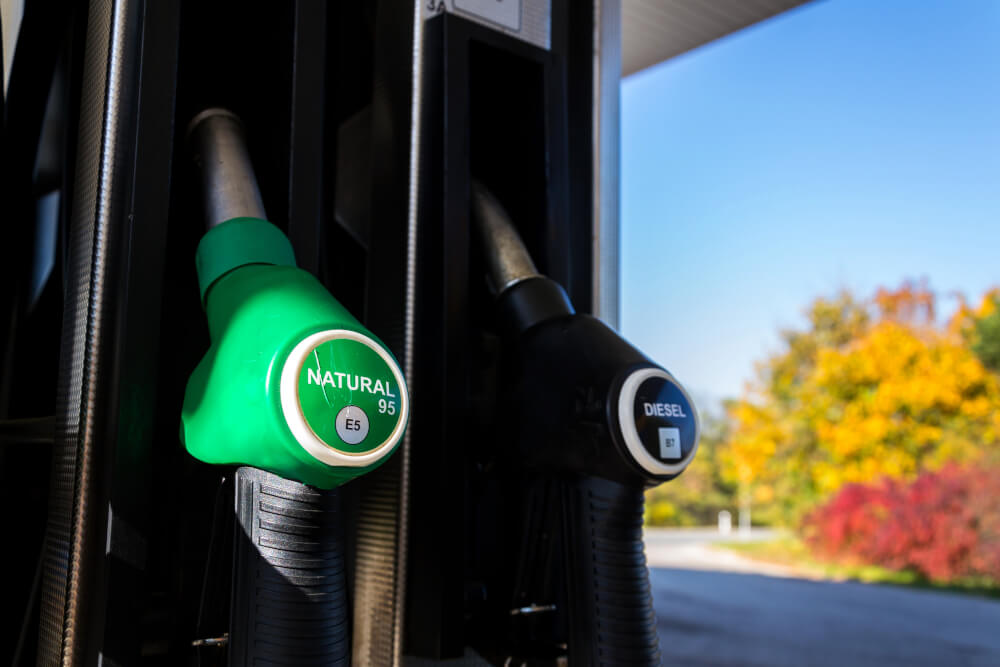
    For drivers covering long distances across the UK, electric vehicles often remain impractical. Limited range, charging infrastructure gaps, and long refuelling times still pose challenges. For now, diesel remains a sensible option. And with the UK’s law banning the sale of new petrol and diesel cars from 2030, we are likely experiencing the final wave of diesel powered vehicles. Here are some of the most efficient diesels still available and why they matter for high mileage motorists.

    The Skoda Octavia 2.0 stands out for its diesel economy, offering official WLTP combined figures around 60 mpg with real world figures close to that. It delivers generous practicality with a 600 litre boot, ideal for families and long distance travel. Though not particularly powerful on inclines, it excels on motorways and A roads.

    The Volkswagen Golf uses the same 2.0 litre diesel engine as the Octavia and offers similar efficiency. It trades some boot space for a more compact profile, but remains comfortable, refined and enjoyable to drive on mixed roads.

    The Mercedes C Class C220d impresses with official returns of nearly 63 mpg. It offers a quiet, smooth ride with a high quality interior and strong efficiency for a premium saloon. While not the most spacious option in its class, it is refined and comfortable.

    The Ford Focus 1.5 EcoBlue is among the most efficient diesels available, with up to 67 mpg under test conditions. It offers sharp handling and a lighter footprint, making it a good choice for drivers who want to enjoy their daily drive without compromising economy.

    The UK government plans to ban the sale of new petrol and diesel cars from 2030 as part of its emissions strategy. Hybrid and electric vehicles are now the focus, but second hand diesel cars will still be legal to sell and drive after the ban comes into effect.

    This transition signals the final chapter for diesel development. Manufacturers continue refining diesel technology, meeting stricter emissions rules and improving economy. But attention and investment have shifted decisively toward electrification.

    Today’s diesels represent the most efficient and cleanest the technology has ever been. With no new diesel platforms expected beyond this decade, the current generation may well be the last. Mazda’s upcoming Skyactiv D six cylinder engine is a rare late addition to an otherwise closing chapter.

    If you rely on long motorway runs, the best of today’s diesel estates and saloons remain the ideal option. For shorter or more varied routes, smaller diesels like the Focus offer genuine appeal. With second hand diesels remaining legal beyond 2030, now is a sensible time to invest in one of these final efficient diesel vehicles while they are still readily available.