Tag: ev

  • What the Next 5 Years Look Like for Petrolheads

    What the Next 5 Years Look Like for Petrolheads

    It is no secret that the car world is changing. Electric vehicles are growing fast, emissions rules are tightening, and manufacturers are being forced to shift their focus. But for those of us who still enjoy the feel of a proper engine and the character of traditional cars, it is hard not to ask what does the future look like for petrolheads?

    In the UK, the government’s plan to ban the sale of new petrol and diesel cars by 2035 still stands. While hybrids get a slight extension, the clock is ticking. This does not mean internal combustion engines will disappear overnight, but the new car market is rapidly shifting. Over the next five years, expect to see more EVs in every shape and size and fewer new models using conventional petrol power.

    We are already seeing signs. BMW has announced a final run of its petrol only M cars before moving toward electrification. Audi’s RS line is heading for a major hybrid overhaul and AMG is blending battery tech with smaller engines. Even supercar makers like Lamborghini and Ferrari are preparing hybrid and electric lineups.

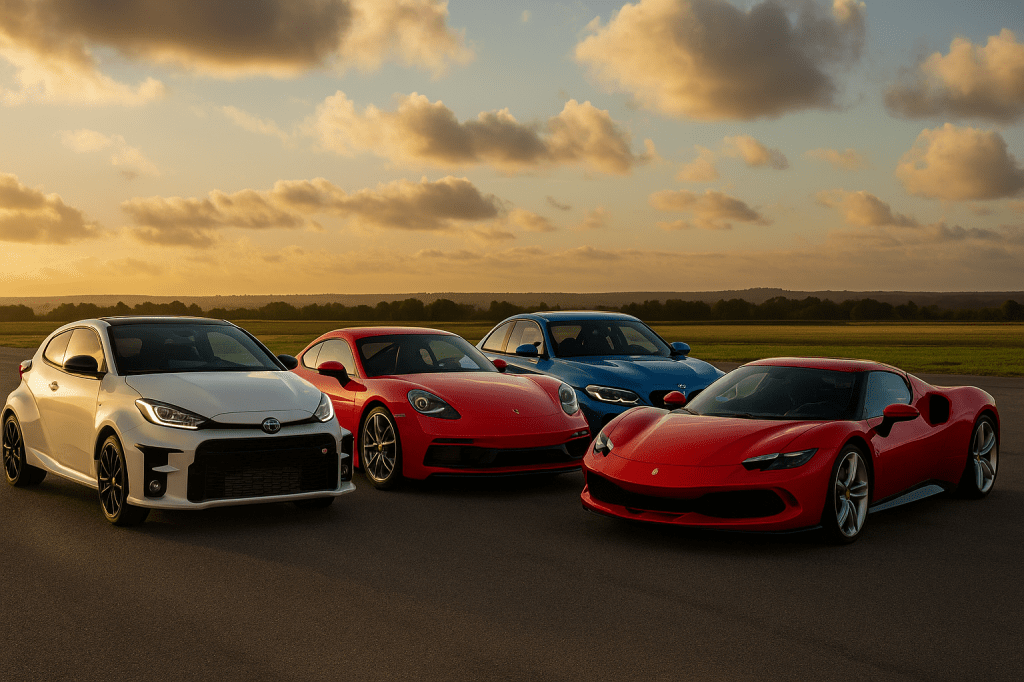
    This transition means we are living through the last generation of pure petrol performance cars. Models like the Toyota GR Yaris, Porsche Cayman GTS and even the BMW M2 are part of a dying breed. Their values may rise and their significance in automotive history is likely to grow. So if you have ever wanted to own one of these before they are gone, now might be the time to do it.

    There is also a growing interest in synthetic fuels and e-fuels which could offer a way to keep older cars on the road in a cleaner compliant way. Porsche is heavily investing in this technology and while it is early days, it might provide hope for the future of driving enjoyment without going fully electric.Used car buyers will still have petrol choices for many years to come. But expect clean low mileage examples of naturally aspirated or performance focused petrol cars to become harder to find and more expensive.

    So what should petrolheads do now? If there is a car you have always dreamed of owning, especially something with character, a great engine or true driver focus, this might be the time to act.

    The next five years will be a turning point. After that it is hard to say what the market and the roads will look like.But one thing is certain. We will never forget what it feels like to truly drive.
  • Chinese Cars Are Making Big Moves in the UK – What Does It Mean for the Market?

    Chinese Cars Are Making Big Moves in the UK – What Does It Mean for the Market?

    If you’ve spent any time looking at new car releases lately, one thing is clear. Chinese manufacturers are no longer knocking on the UK’s door. They have stepped inside, unpacked, and are setting up shop. From familiar names like MG to fast growing brands such as BYD, Omoda, Xpeng, Nio, and now Xiaomi, Chinese carmakers are experiencing a rapid rise in popularity. In fact, Chinese made vehicles accounted for nearly 10 percent of UK sales in May 2025, a substantial leap from 5.5 percent a year earlier.

    A key factor behind this surge is the absence of import tariffs on Chinese electric vehicles in the UK, unlike the pricing disadvantages seen in the US or EU. This gives Chinese manufacturers a decisive edge on cost. At the same time, quality, design, and technology have significantly matured. The BYD Dolphin and MG4, for instance, now offer high end features such as rotating touchscreens, advanced safety systems, and solid electric range, all for under £20,000.

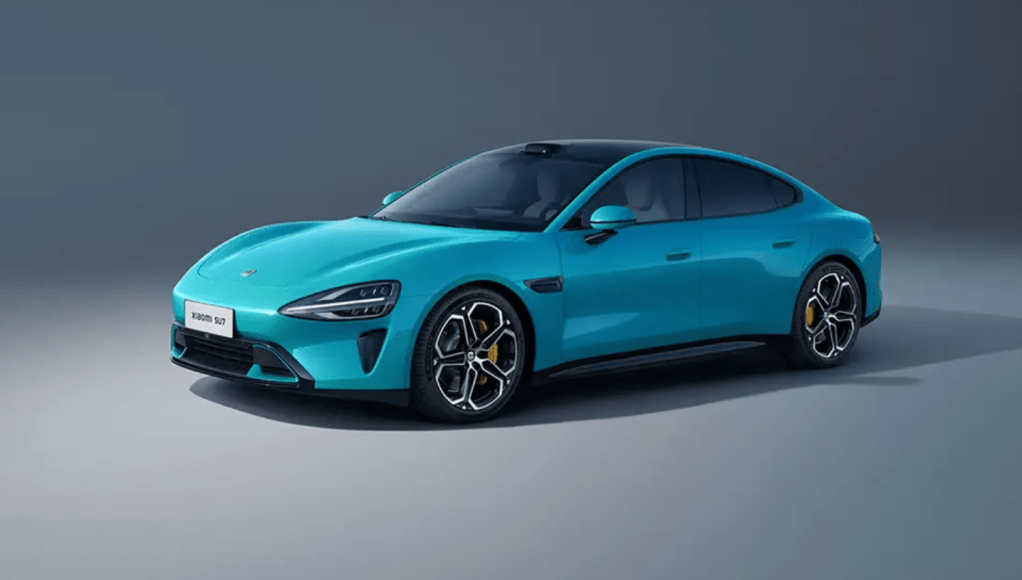
    This progress is perhaps best illustrated by Xiaomi’s impressive entry into the electric performance segment. Its flagship SU7 Ultra recently set a new Nürburgring Nordschleife production EV lap record, clocking a blistering time of 7 minutes 4.957 seconds. That makes it the fastest production electric saloon ever to lap the iconic Green Hell, outperforming rivals from Porsche and Rimac. This was not a prototype or marketing stunt either. The lap was completed in a road legal, showroom specification SU7 Ultra fitted with an optional track pack.

    So, are Chinese cars any good? In a word, yes. MG has already earned its place in the UK market, frequently receiving strong reviews and customer satisfaction scores. BYD’s expanding range, from compact hatches to sleek saloons, has also impressed critics and buyers alike. Other brands including Xpeng, Zeekr, and Nio are preparing UK launches with cars that match or exceed competitors on build quality, tech features, and real world usability.

    This shift is putting real pressure on legacy brands. With more affordable and feature packed electric cars now available from China, European and Japanese manufacturers are being pushed to improve. The UK Managing Director of Peugeot recently admitted that Chinese competition is making the whole industry raise its standards. That is good news for consumers. Buyers now have more choice, better technology, and better value for money.

    There are challenges too. The UK’s electric vehicle charging infrastructure is not expanding fast enough to match growing demand, particularly in rural areas. Without faster rollout of public chargers, the practical benefits of these competitively priced electric cars may not be fully realised.

    In summary, Chinese carmakers including Xiaomi are no longer niche or unknown. They are becoming genuine contenders in the UK automotive market. Their strategy is not just about offering low prices. It is about delivering innovation, performance, and well built electric vehicles that challenge established brands. Whether you are a tech savvy driver or just browsing for your next family car, expect more Chinese names to enter the conversation.