Tag: cars

  • Premium or Plastic?

    Premium or Plastic?

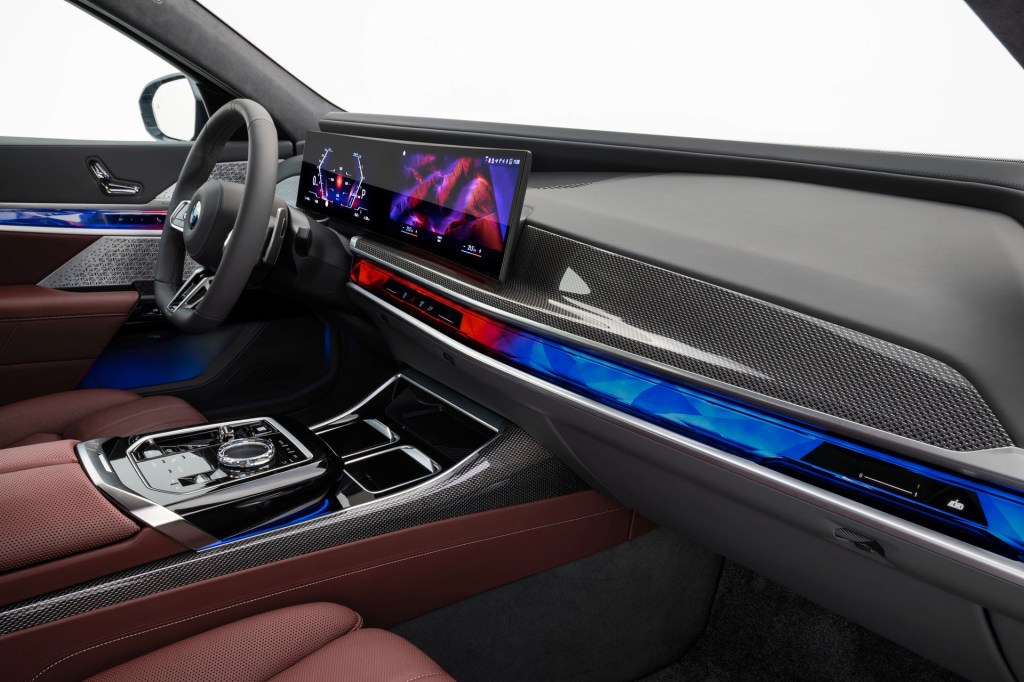
    The way we experience a luxury car begins the moment we slide into the driver’s seat. Soft leathers under our fingertips warm to the touch and genuine wood trim catches the light in subtle patterns. That feeling is under threat. Today’s German marques still deliver spectacular cabin design and cutting edge technology, but the materials that once defined their premium character are showing signs of a slow decline.

    Step inside a modern Mercedes Benz and you will be struck by the sweeping digital displays and ambient lighting that gives the cabin a futuristic glow. Yet if you press around the door panels or give the console a gentle tap you may hear a hollow echo or feel a slight flex in the plastic beneath what appears to be stitched leather. In models from ten years ago that same area would have been cloaked in supple padded urethane and solid metal accents. Now the visual effect remains impressive, but the tactile reality has tilted towards cost efficiency rather than long term solidity.

    Audi has followed a similar path. A decade back the A6 and A8 interiors felt resolutely premium thanks to thick door armrests, deep pile carpets beneath your feet and richly grained wood inlays. Today’s examples rely on thin laminate veneers over injection moulded panels. The familiar click of mechanical buttons has been replaced by silicone topped touch pads that offer little audible feedback. Stunning graphics welcome you on the virtual cockpit, but ask yourself whether a glossy black surface with no real texture can ever match the reassuring feel of heavy metal switchgear.

    BMW’s cabins have long been celebrated for driver focus and solid construction. The layout places every control within easy reach and materials once balanced premium softness with purposeful firmness. Recent three and five series models retain their ergonomic excellence but you will notice harder plastics on knees and inner doors that feel more utilitarian than luxurious. What once felt like natural, welcoming surfaces now registers as efficient factory tooling rather than craftsmanship.

    Even Volkswagen, historically a step below the luxury marques but praised for surprising levels of refinement, has begun to strip back its interiors. Climate and lighting controls have vanished in favour of blank touch sensitive panels. This reduces assembly complexity and part counts yet leaves the driver hunting for an on off switch that once sat clearly on the centre console. The result is a minimalist aesthetic that comes at the price of intuitive, tactile control.

    Looking ahead, the industry is moving towards recycled and renewable materials. Biocomposite trims can mimic the warmth of real wood, and regenerated leathers promise cruelty‑free softness. Carpets made from reclaimed fibers are rolling out in greater volume. But producing these materials to the exacting colour and durability standards that luxury buyers expect often costs more up front. If discerning customers demand the same sense of natural depth and resilience they have enjoyed for decades, manufacturers will need to maintain strict quality control throughout every stage of mass production.

    At the same time, the gap between premium and less premium brands is rapidly closing. The same infotainment screens, driver‑assist systems, and even climate‑control features once reserved for the top Audi, BMW, and Mercedes models now appear as standard‑issue on vehicles like my Astra GSe – yes that’s right, a Vauxhall! This convergence of technology and materials means that it is no longer enough for luxury manufacturers simply to out‑tech the competition. They must also prove that their cabins still offer a sensory richness—warm leather, authentic wood, and satisfying feedback on every control—that sets them apart from the rest of the market. Only by marrying sustainability with uncompromising quality can they preserve the hallmarks of true luxury motoring.
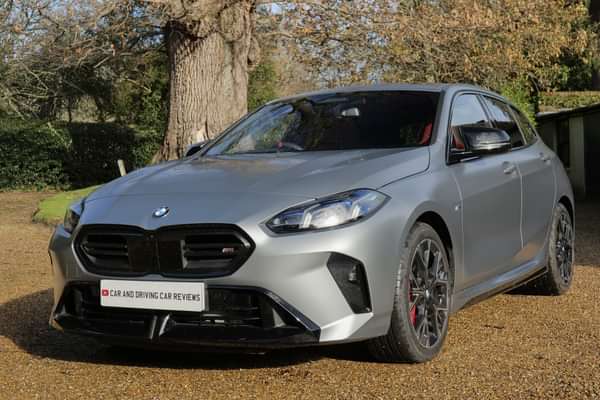
  • Hot Hatch Royalty: BMW vs Audi vs VW vs Mercedes

    Hot Hatch Royalty: BMW vs Audi vs VW vs Mercedes

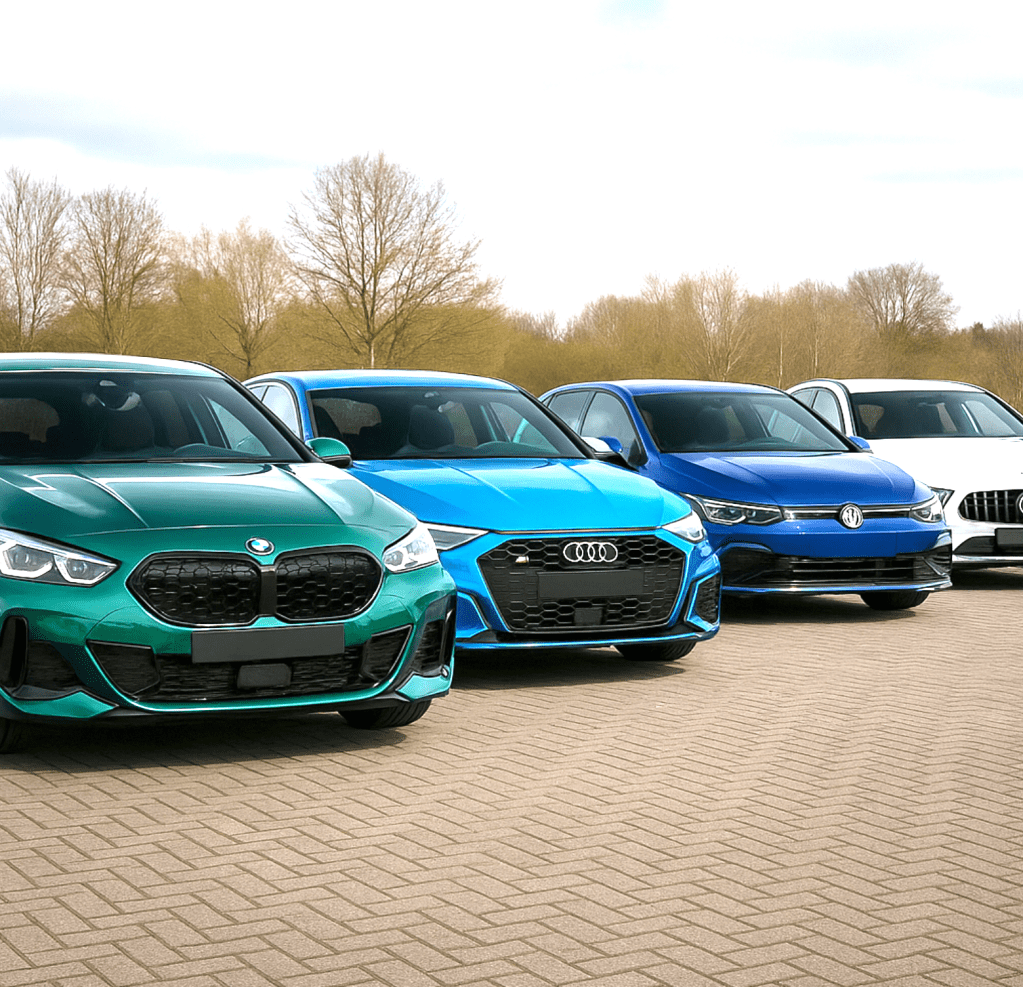
    If you’re after a fast, premium German hatchback that blends pace, practicality and all-weather confidence, there are few better contenders than the BMW M135, Volkswagen Golf R, Audi S3 and Mercedes A35 AMG. Each offers strong performance from a turbocharged 2.0 litre engine, four-wheel drive and the badge appeal that comes with a premium manufacturer. But how do they compare?

    The BMW M135 delivers 300 horsepower and hits 60 mph in under five seconds. It is one of the most economical in this group in real-world driving, with mid-thirties mpg achievable. The steering is precise, the xDrive system is confident in all conditions, and the chassis is composed enough for enthusiastic back road driving. The looks are more subtle than aggressive, with a bluff front end that divides opinion, but the shadow line trims and M Sport detailing help it stand out. Inside, the cabin feels well made and intuitive, with a straightforward layout and an infotainment system that remains one of the best in class.

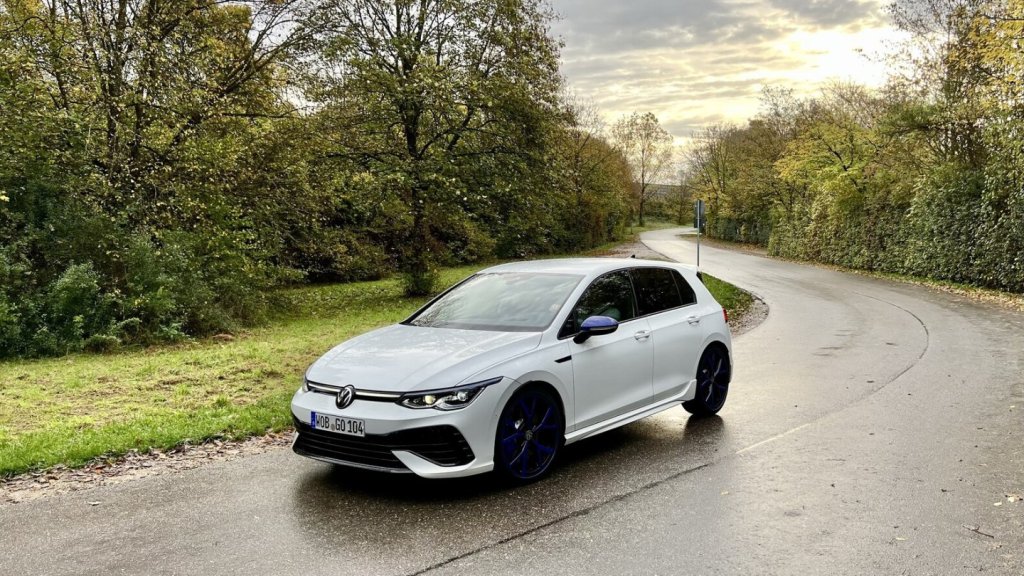
    The Volkswagen Golf R sits at the top of the Golf range with 328 horsepower and even sharper performance, managing 0–60 mph in just over four seconds. On the road, it feels mature and controlled, making it a brilliant daily driver as well as a weekend fun car. Its appearance is conservative but clean, with quad exhausts and subtle R badges hinting at the power underneath. The interior is smart and minimal, although the touch-sensitive climate and infotainment controls can be frustrating to use on the move. Still, the materials feel good and the digital cockpit is crisp.

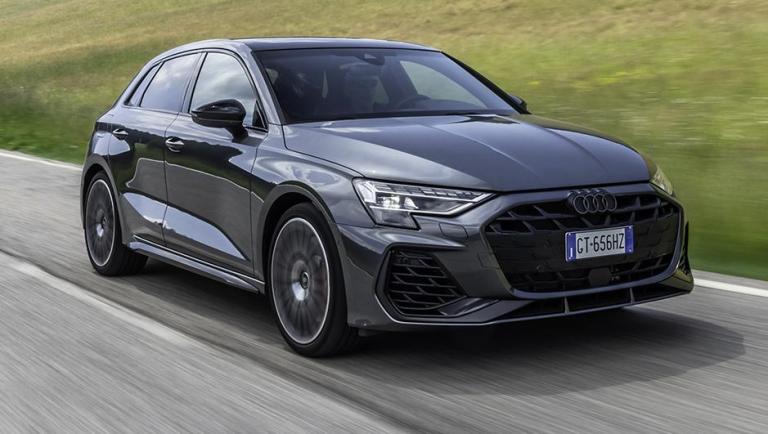
    The Audi S3 is the most understated of the bunch. With 306 horsepower and quattro grip, it flies off the line and provides a secure, planted drive. The ride is slightly firmer than the Golf but not uncomfortable. Styling is sleek and low-key, with a clean front end and discreet side skirts. The S3’s interior stands out for build quality and tech layout. The virtual cockpit and central screen are easy to use, and the driving position feels spot on.

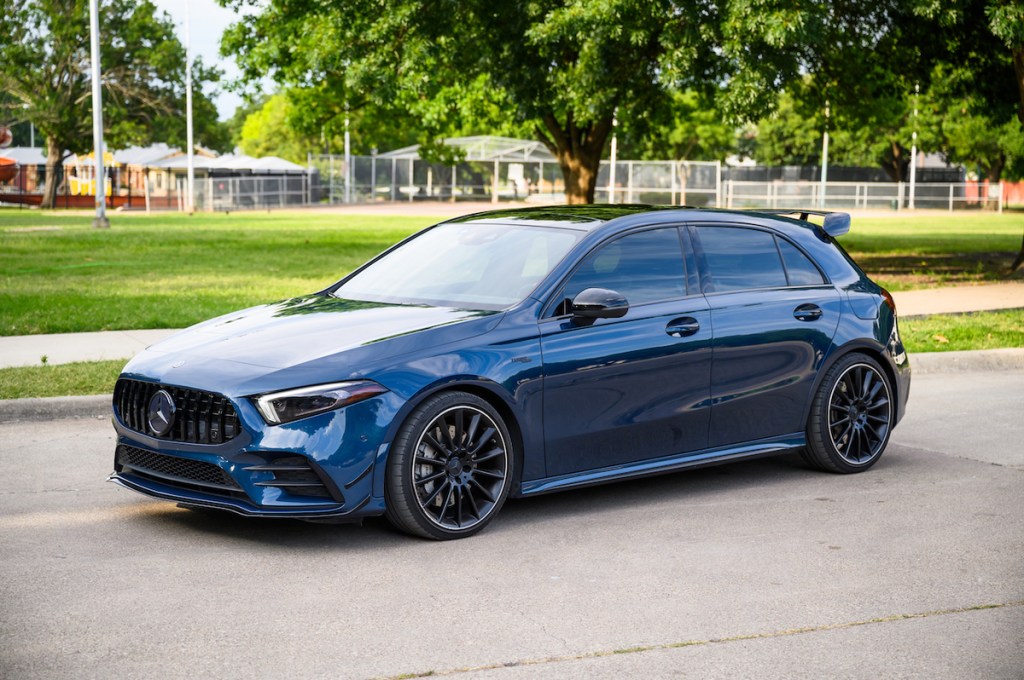
    Then there’s the Mercedes A35 AMG. It brings flair with its aggressive grille, large wheels and sporty bumpers. The 306 horsepower engine sounds the most exciting and the drive is punchy, although it feels heavier and slightly less agile than the others. The cabin is a visual treat with sweeping screens, turbine-style vents and high-end materials. But while the tech is impressive, some features take a while to get used to and the ride quality can be less forgiving on poor roads.

    Choosing between them is tough. The M135 is for those who value sharp handling and efficiency. The Golf R blends performance with everyday comfort. The S3 offers refinement and high-quality tech in a sleek package. The A35 brings drama and presence, with an interior that looks and feels luxurious. Then of course, the look and feel of a car play a personal choice for us all. Each car delivers in its own way. For me personally, it would be between the M135 and Golf R.

  • What the Next 5 Years Look Like for Petrolheads

    What the Next 5 Years Look Like for Petrolheads

    It is no secret that the car world is changing. Electric vehicles are growing fast, emissions rules are tightening, and manufacturers are being forced to shift their focus. But for those of us who still enjoy the feel of a proper engine and the character of traditional cars, it is hard not to ask what does the future look like for petrolheads?

    In the UK, the government’s plan to ban the sale of new petrol and diesel cars by 2035 still stands. While hybrids get a slight extension, the clock is ticking. This does not mean internal combustion engines will disappear overnight, but the new car market is rapidly shifting. Over the next five years, expect to see more EVs in every shape and size and fewer new models using conventional petrol power.

    We are already seeing signs. BMW has announced a final run of its petrol only M cars before moving toward electrification. Audi’s RS line is heading for a major hybrid overhaul and AMG is blending battery tech with smaller engines. Even supercar makers like Lamborghini and Ferrari are preparing hybrid and electric lineups.

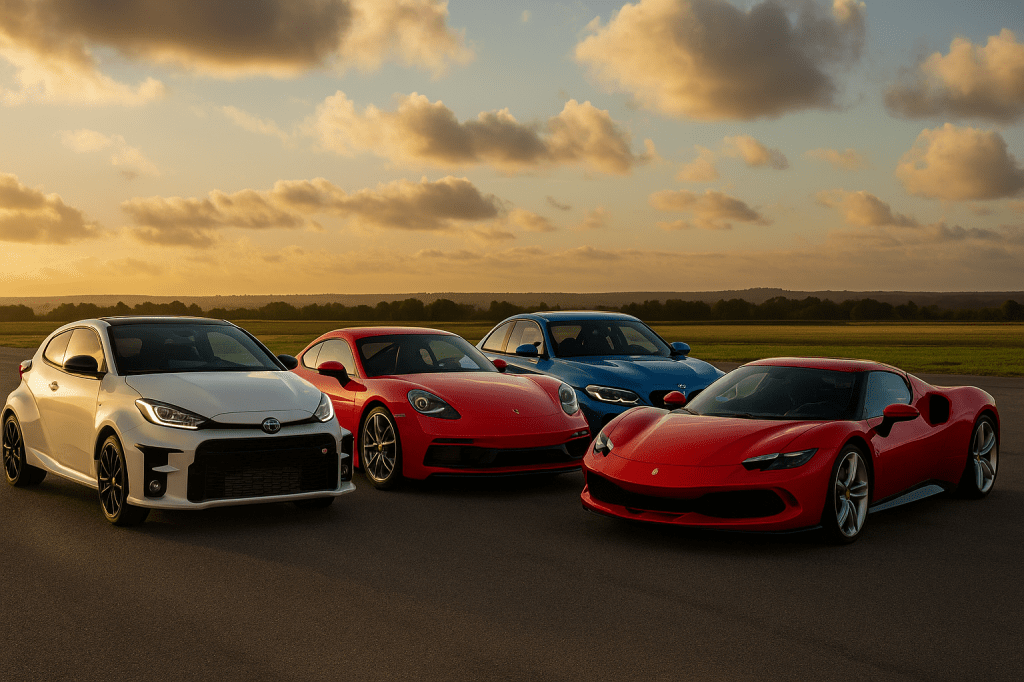
    This transition means we are living through the last generation of pure petrol performance cars. Models like the Toyota GR Yaris, Porsche Cayman GTS and even the BMW M2 are part of a dying breed. Their values may rise and their significance in automotive history is likely to grow. So if you have ever wanted to own one of these before they are gone, now might be the time to do it.

    There is also a growing interest in synthetic fuels and e-fuels which could offer a way to keep older cars on the road in a cleaner compliant way. Porsche is heavily investing in this technology and while it is early days, it might provide hope for the future of driving enjoyment without going fully electric.Used car buyers will still have petrol choices for many years to come. But expect clean low mileage examples of naturally aspirated or performance focused petrol cars to become harder to find and more expensive.

    So what should petrolheads do now? If there is a car you have always dreamed of owning, especially something with character, a great engine or true driver focus, this might be the time to act.

    The next five years will be a turning point. After that it is hard to say what the market and the roads will look like.But one thing is certain. We will never forget what it feels like to truly drive.

  • 90s Supercars… What Are They Worth Today?

    90s Supercars… What Are They Worth Today?

    The 1990s were a golden age for European supercars. These weren’t just machines, they were bold expressions of performance, design, and mechanical purity. With no digital filters or electric gimmicks, they represented the last true era of analog performance. Now, these cars are commanding extraordinary values on the collector market. Here’s how their prices and performance compare from then to now.

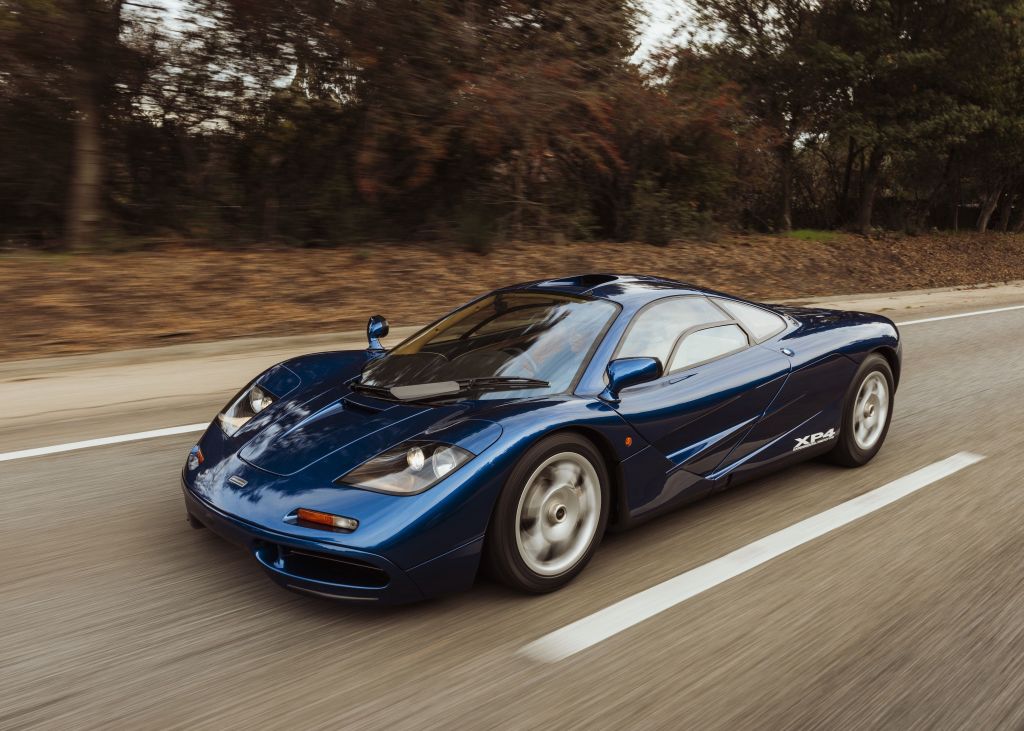
    The McLaren F1, launched in 1992, was built around a naturally aspirated 6.1L V12 producing 627 bhp. With a 0 to 60 mph time of just 3.2 seconds and a top speed over 240 mph, it was the fastest production car of its time. It cost around £595,000 new, which was astronomical back then. Today, values start a mind blowing £14 million and can reach an astronomical £28 million or more depending on mileage, history, and originality.

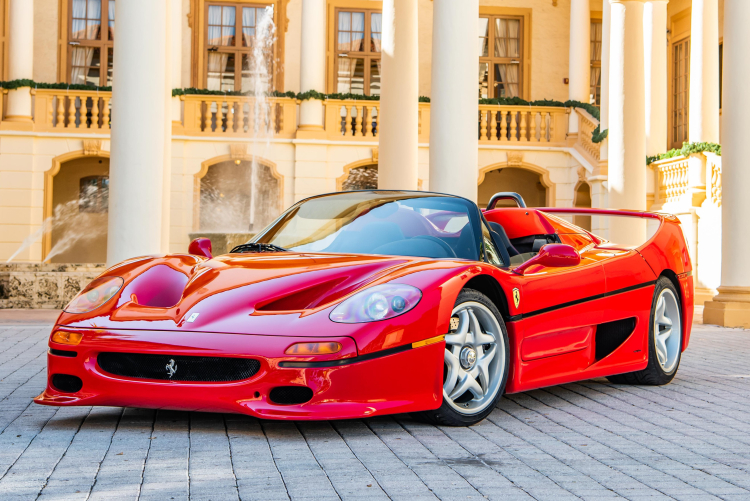
    Ferrari’s F50 came next in 1995. With a 4.7L naturally aspirated V12 producing 513 bhp and a 0 to 60 time of 3.8 seconds, it offered a raw, open-top experience directly linked to Formula One technology. Originally priced around £387,000, values now range between a staggering £3.3 million and £5.5 million.

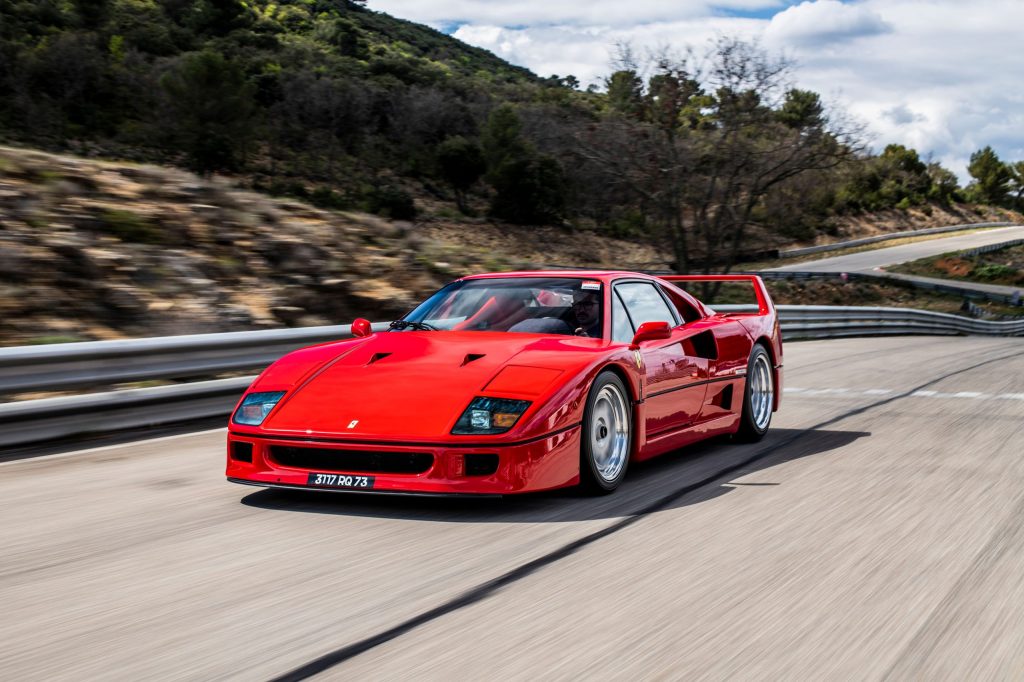
    The Ferrari F40 remains one of the most iconic supercars ever made. Its 2.9L twin-turbocharged V8 developed 471 bhp, with 0 to 60 achieved in 4.1 seconds. Initially priced at £292,000 in the UK, they now command between £1.9 million and nearly £3 million depending on condition and originality.

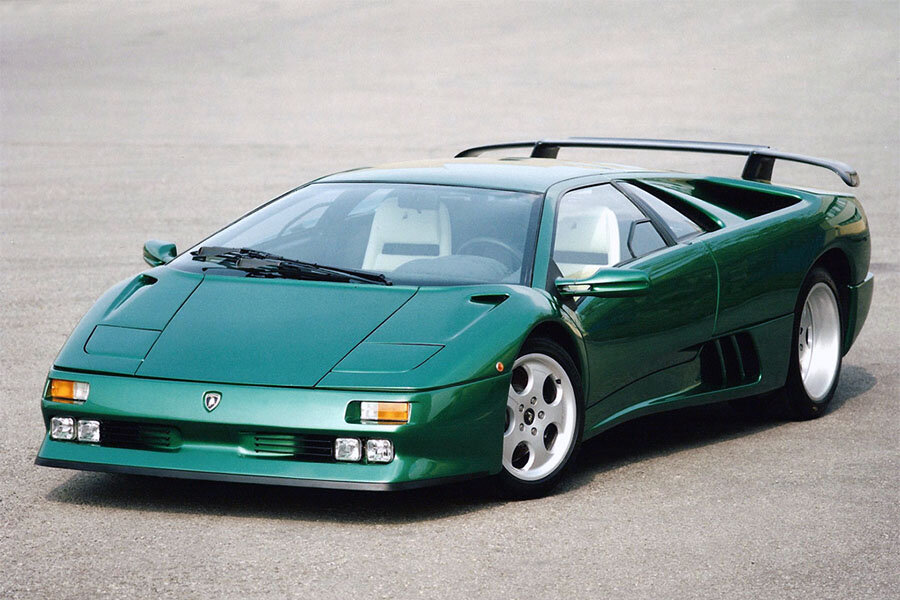
    Lamborghini’s Diablo entered the scene in 1990 with a 5.7L V12 producing 485 bhp and a 0 to 60 time of 4.5 seconds. Later variants like the Diablo VT and SV increased output and added AWD. Originally priced around £175,000, values today range from £160,000 for earlier models to over £500,000 for limited editions and late-model cars like the 6.0 SE.

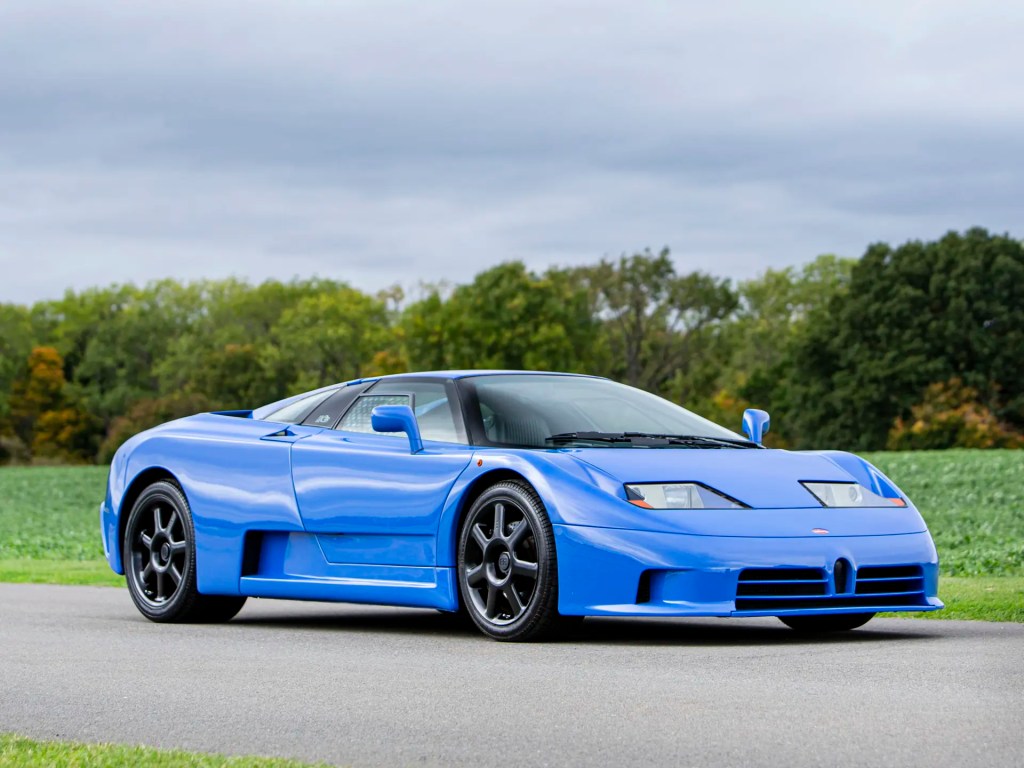
    The Bugatti EB110, built between 1991 and 1995, came with a quad-turbo 3.5L V12 producing 553 bhp in GT trim and 603 bhp in the lighter Super Sport version. 0 to 60 mph was achieved in just 3.3 seconds. Originally costing the equivalent of around £146,000 to £292,000, they now fetch £730,000 to over £2.2 million depending on variant and provenance.

    These cars are more than fast. They represent a time when performance was achieved through engineering, not software. Scarcity, racing heritage, and timeless design have made them appreciating assets. For those lucky enough to have bought one new, their garages now hold not just legends, but some of the most valuable collector cars in the world.

  • The Ultimate Vehicle – If Running Costs Didn’t Matter

    The Ultimate Vehicle – If Running Costs Didn’t Matter

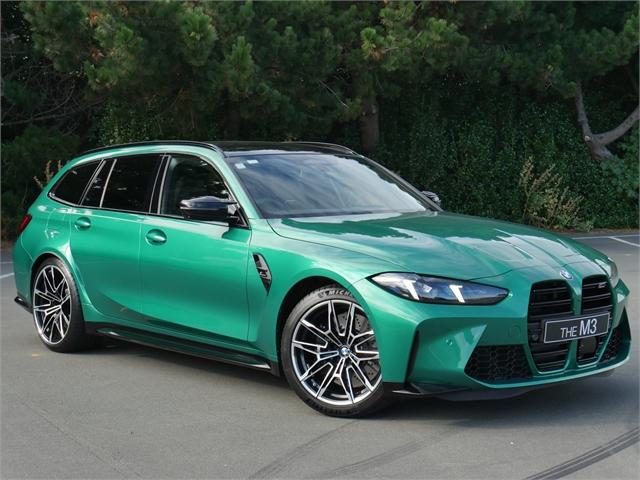
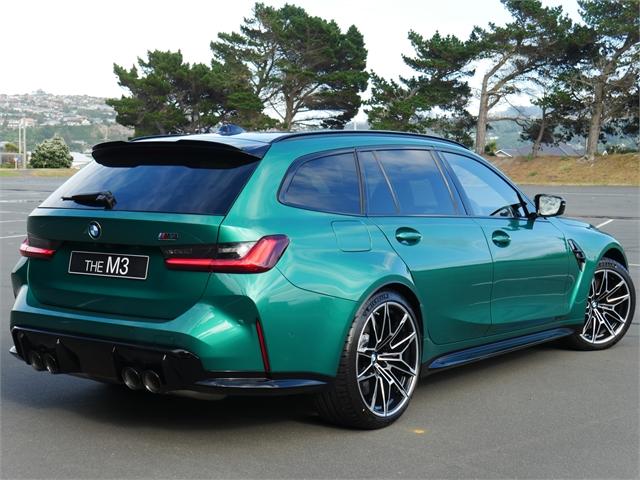
    Imagine combining the versatility of an estate with the raw performance of a supercar. That is exactly what the BMW M3 Touring xDrive Competition delivers, especially when finished in the iconic Isle of Man Green. It is the perfect fusion of practical family transport and track-ready power.

    Under the bonnet sits a 3.0 litre twin turbo inline six engine, producing a mighty 530 horsepower and 650 Newton metres of torque. This translates to a 0-60 miles per hour sprint in just 3.5 to 3.6 seconds, but real-world testing shows it’s even faster. A 0-60 time of 3.37 seconds was recorded during road tests. Some dragstrip launches with perfect grip and launch control even hit 2.8–3.1 seconds. That means it outpaces the Audi RS6 Avant straight off the line (as proven by Mat Watson from Carwow here).

    Despite its immense performance, the car claims to be efficient in the real world. The combined fuel economy is around 27 miles per gallon on the WLTP cycle. For a powerful estate that weighs over two tonnes, this sounds reasonably ok… but we all know those figures will be a lot less when driven the way it’s supposed to be.

    The M3 Touring features BMW’s xDrive all wheel drive system which offers exceptional traction in all weather conditions. Whether tackling tight B roads or stretching its legs on the motorway, it feels secure, planted and precise. The adaptive suspension manages to blend sharp handling with a ride quality that remains comfortable for everyday use. This balance makes it incredibly usable compared to many other high performance cars.

    With a Touring body style, the M3 is not just about power. It also brings real-world practicality. The boot offers 500 litres of space with the rear seats up and expands to 1,510 litres with them folded. This means it can carry a family’s luggage, bikes, or dogs without breaking a sweat, all while offering supercar levels of acceleration.

    Of course, if money is no object, the cost to own one might not be a concern, but for interest’s sake, the M3 Touring falls into UK insurance group 43E. Annual premiums are high, and so is the tax. The first-year Vehicle Excise Duty is £4,680, then £620 every year after due to its list price being over £40,000. Speaking of price, a new one starts from £91,775, but well-specified examples can rise higher. Lightly used versions with sensible options may come in at closer to £85,000 depending on mileage and dealer offers.

    Where the M3 Touring truly shines is in its ability to combine everything. It is one of the only cars that can demolish an RS6 on a straight, out-handle most sports cars, and still take a family holiday in stride. It is rare, it is fast, and it is practical. If you are looking for the ultimate performance estate and cost is not a factor, the BMW M3 Touring is the dream car you can actually live with every day. If I had the choice, I would have one.

  • Petrol Choices Explained: What is E10 and E5, and Does it Really Matter?

    Petrol Choices Explained: What is E10 and E5, and Does it Really Matter?

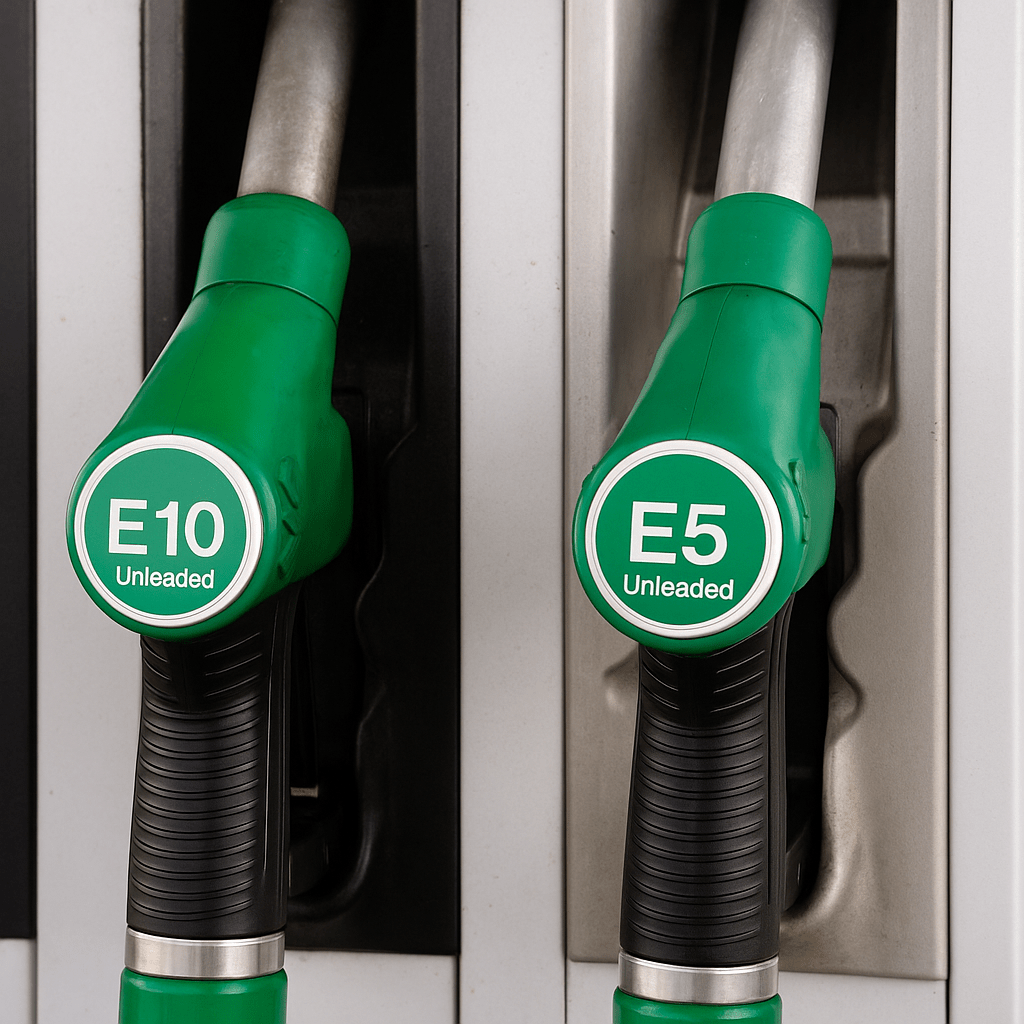
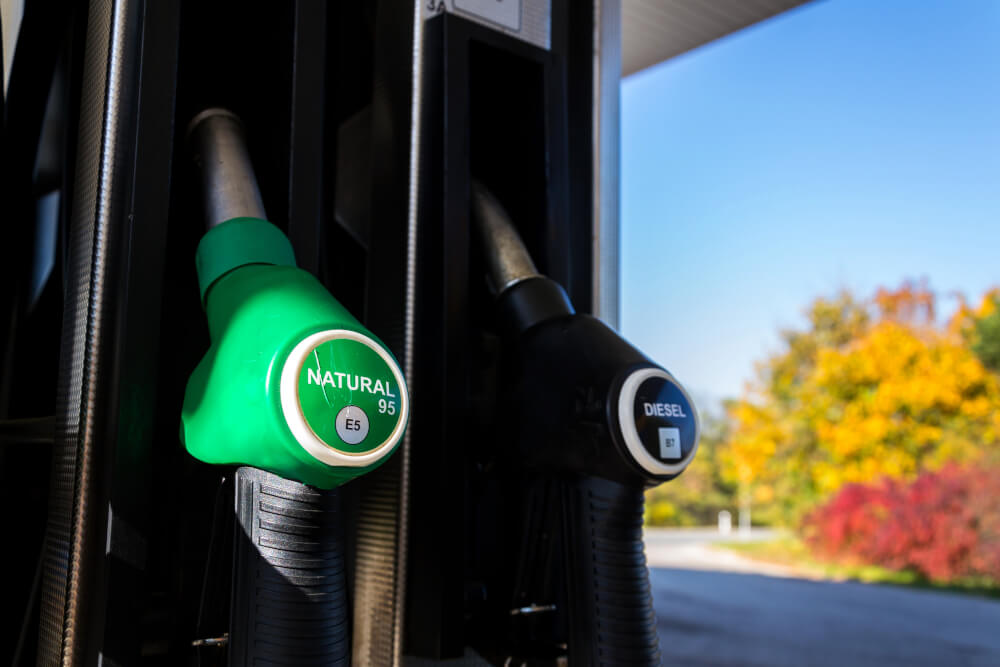
    If you’ve filled up your car recently, you’ve probably seen the labels E10 and E5 at the pump. E10 is now the standard petrol in the UK. It’s cheaper and better for the environment because it contains more ethanol—a type of alcohol made from plants. But just because it’s greener doesn’t always mean it’s better for your car.

    Let’s break it down.

    E10 petrol has up to 10 percent ethanol. Ethanol absorbs water from the air, which can cause problems inside your car over time. If your car sits for long periods without being driven, that moisture can lead to rust or damage in parts like the fuel tank, pipes or injectors. It can also make rubber and plastic parts wear out faster.

    This is especially true for older cars or cars that aren’t used very often. If your car was made before 2011, it may not have been designed to handle this kind of fuel. Using E10 too often could eventually lead to expensive repairs.

    Even if your car is newer, E10 isn’t as efficient as E5. Because ethanol doesn’t produce as much energy, you might notice your fuel doesn’t go quite as far. Studies show E10 can reduce your fuel economy by 1 to 3 percent. That may not sound like much, but over time it can cost you more money at the pump.

    Premium E5 petrol, on the other hand, usually contains only 5 percent ethanol and often comes with a higher “octane rating.” This helps the engine run more smoothly, prevents damage from something called “knocking,” and can help the car stay cleaner inside. That’s why performance cars and engines with a lot of miles often run better on E5.

    It’s not just about speed. Using E5 can help protect your engine, improve reliability, and keep your car running well for longer—especially if it’s older or high mileage.

    If you’ve already filled up with E10, don’t worry. Just try to top up with E5 before your tank gets too low. Mixing the two is safe and can help reduce the negative effects of too much ethanol.

    In Short:

    E10 is fine for most modern cars, but it’s not ideal for older engines or cars that don’t get used often.

    E5 gives better protection, smoother performance and may even save money in the long run. Choosing E5 more often could mean fewer repairs and better driving over time.

    So next time you’re at the pump, it might be worth spending a little extra to fill up with E5. It’s not just about fuel—it’s about looking after your car.

  • Top Cars Under £5K: The Best Budget Buys with Low Miles

    Top Cars Under £5K: The Best Budget Buys with Low Miles

    If you are in the market for a reliable and efficient car under five thousand pounds, there are still some excellent options available across the UK. Whether you are commuting long distances, need space for family life, or simply want something dependable and easy to run, there is good value to be found if you know where to look. Focusing on cars less than ten years old with fewer than eighty thousand miles, here are some of the standout picks.

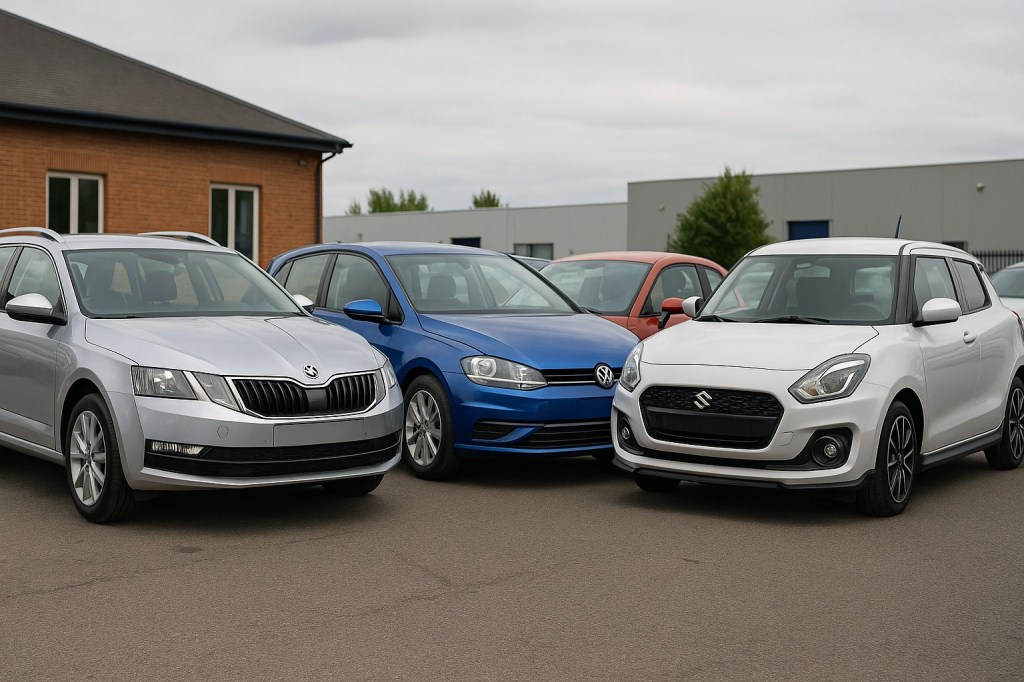
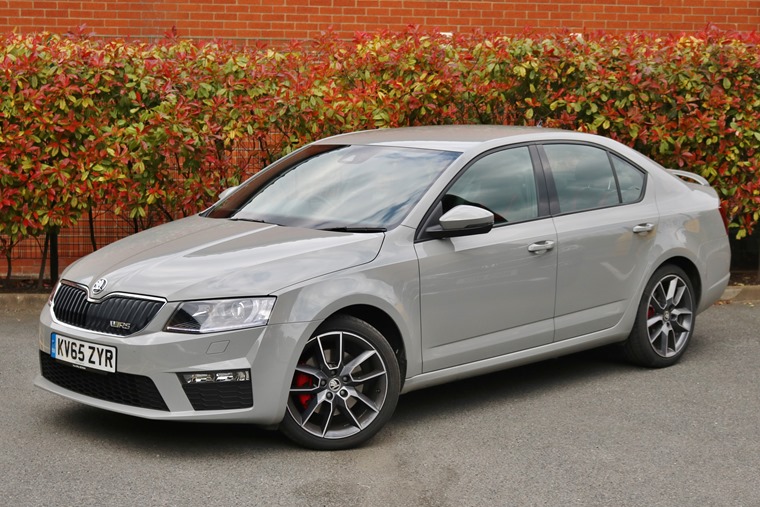
    The Skoda Octavia (2013–2016) remains a class leader for those wanting maximum practicality and low running costs. Available in hatch and estate form, the Octavia offers huge boot space, a solid reputation for reliability and excellent fuel economy from the 2.0 TDI engine. Expect to see real world figures around 60 miles per gallon. It is a favourite among commuters and families alike for good reason.

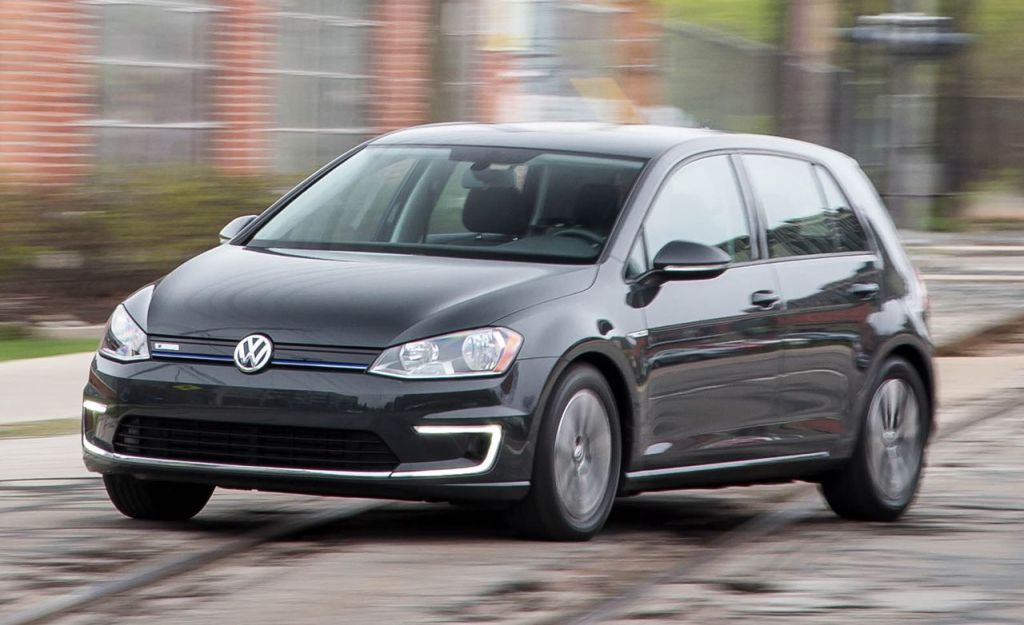
    The Volkswagen Golf (2012–2016) shares its platform and engines with the Octavia but adds a slightly more refined interior and sharper dynamics. A Mk6 or early Mk7 model with a 2.0 TDI or 1.6 diesel engine will be comfortable, practical and economical. It is a solid all rounder that holds its value well and feels more premium than most rivals.

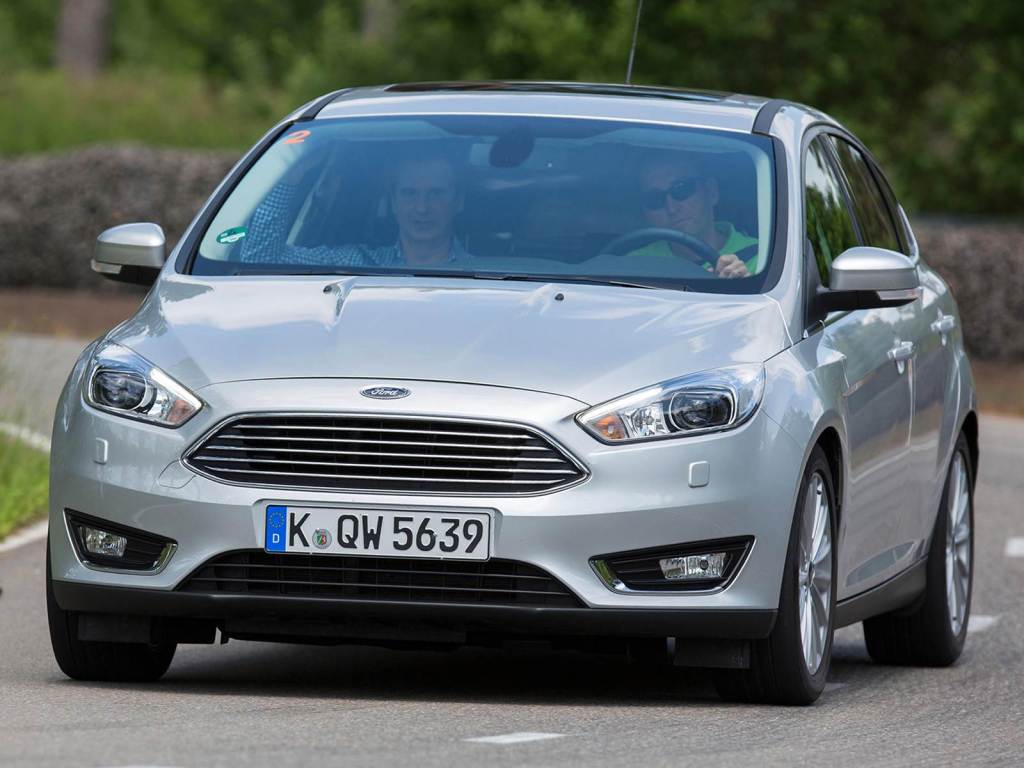
    The Ford Focus (2012–2016) offers excellent value in this price range. With sharp handling, a comfortable ride and strong reliability, the Focus is easy to recommend. Diesel models with the 1.6 TDCi engine or petrol EcoBoost variants can be found under budget. The estate version adds even more practicality for family or work use.

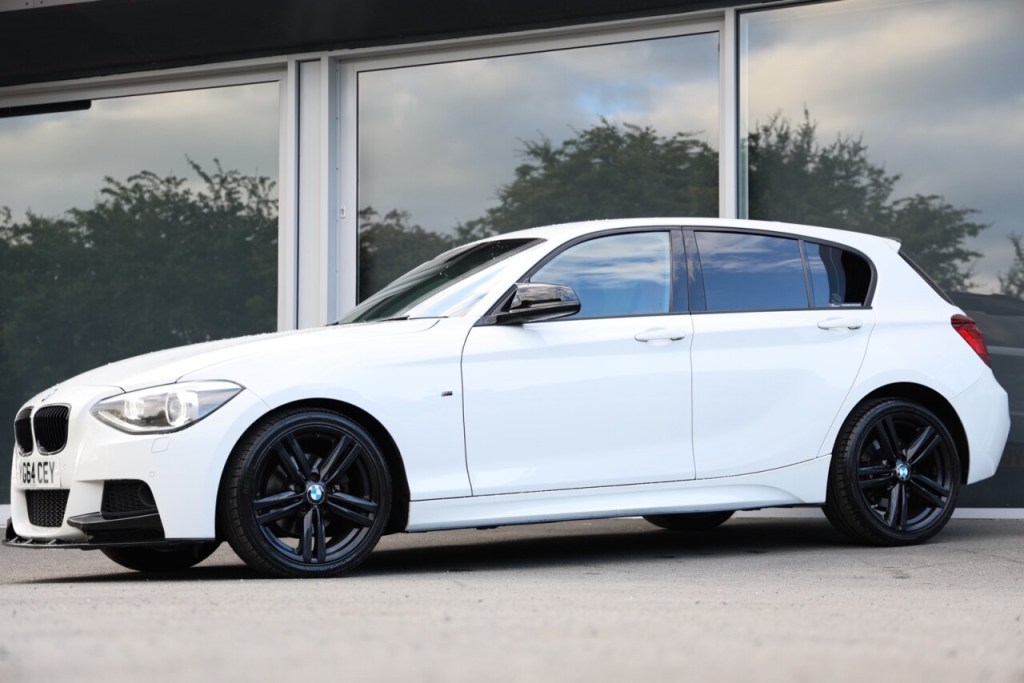
    If you want a more premium feel, the BMW 1 Series (2011–2014) is worth a look. Early F20 models can be found with full history and decent mileage for under five thousand pounds. Rear wheel drive dynamics, solid build quality and an efficient 2.0 litre diesel engine make it fun to drive and economical too.

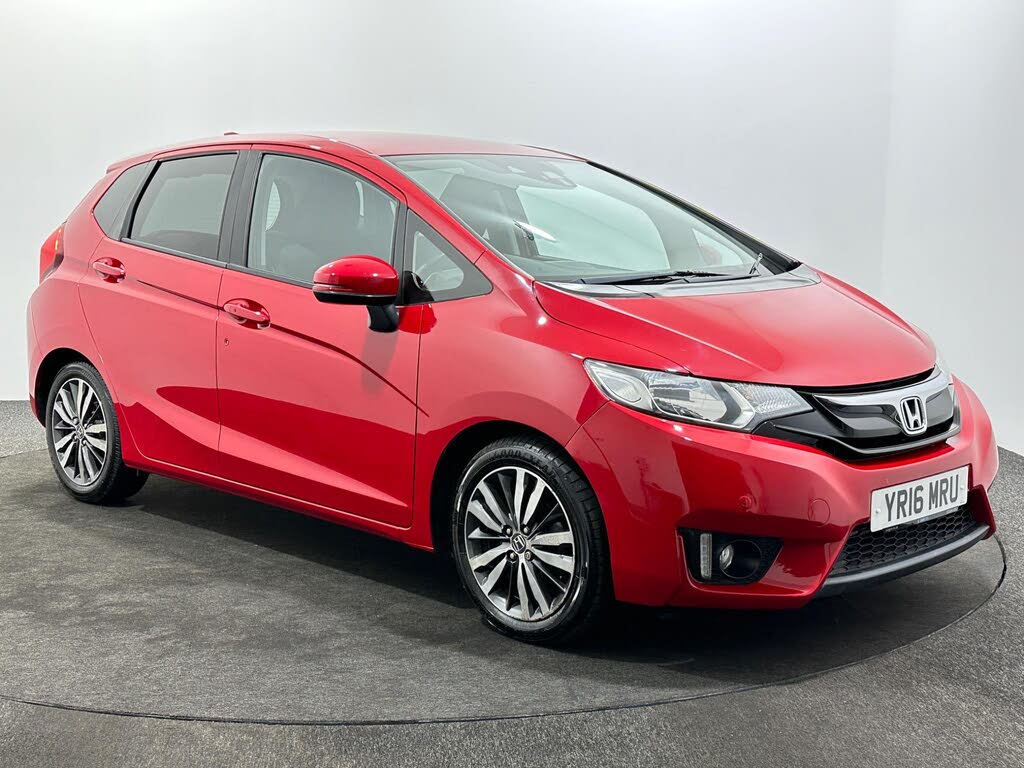
    The Honda Jazz (2012–2017) has a reputation for unbeatable reliability and clever use of space. Its rear Magic Seats create a versatile boot layout and make it surprisingly spacious for such a compact car. It is efficient, cheap to run, and perfect for those wanting a no nonsense daily driver.

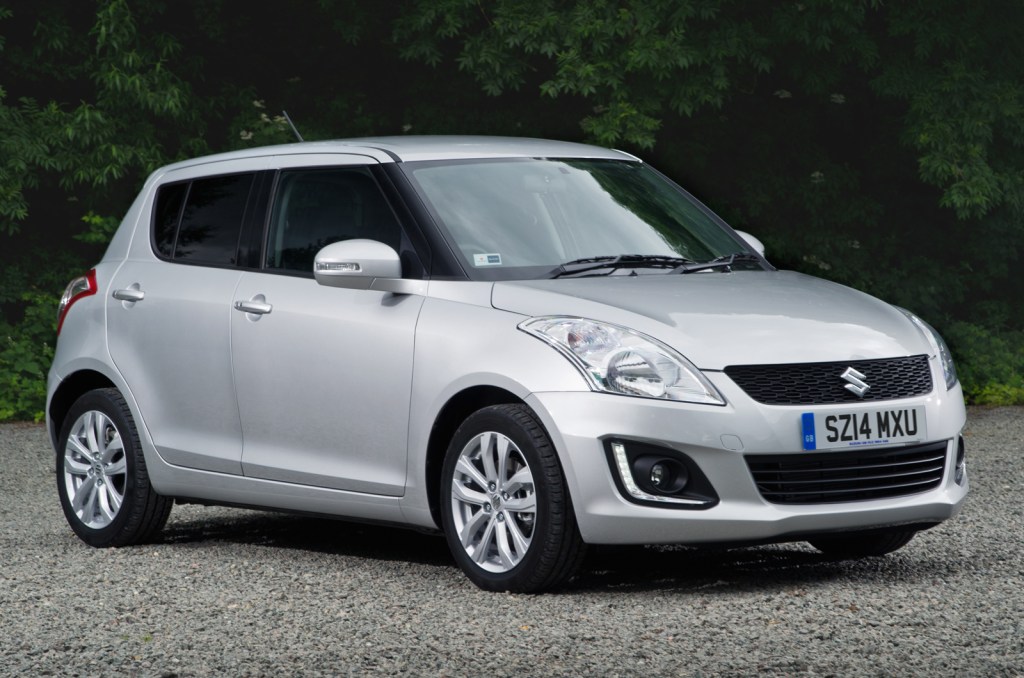
    For drivers wanting fun on a budget, the Suzuki Swift Sport (2012–2015) offers lively performance, excellent reliability and low running costs. The 1.6 petrol engine is engaging and the car feels nimble around town and on country roads.

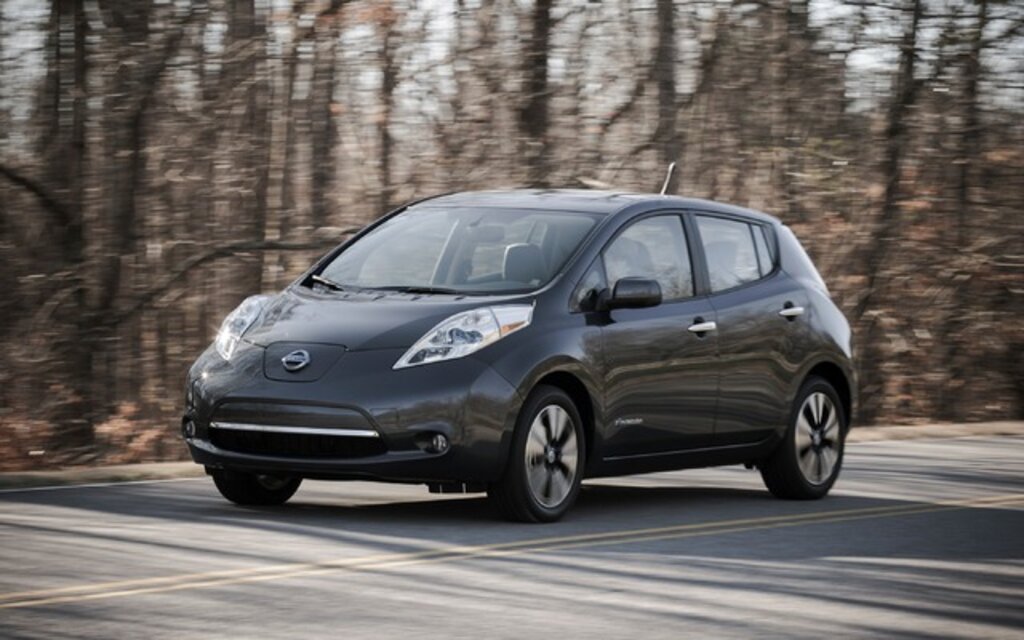
    Surprisingly, early Nissan Leaf (2013–2015) electric cars have now dropped below five thousand pounds. While range is limited compared to newer EVs, they remain ideal for short commutes or city use. With low maintenance costs and zero tailpipe emissions, they can be a smart buy for urban driving.

    If you are covering long motorway distances, the diesel estates like the Octavia and Focus remain top choices. For premium feel and driving engagement, the Golf and 1 Series deliver more than expected for the price. For ultimate reliability and space efficiency, the Honda Jazz stands tall. Those after a bit of fun should not overlook the Swift Sport.

    With the right search and patience, £5000 still goes a long way. Choose wisely, check service history carefully, and you can find a well maintained, low mileage car that delivers practicality, comfort and driving enjoyment without breaking the bank.

  • The Last Mile: Britain’s Final Generation of Diesel Cars

    The Last Mile: Britain’s Final Generation of Diesel Cars

    For drivers covering long distances across the UK, electric vehicles often remain impractical. Limited range, charging infrastructure gaps, and long refuelling times still pose challenges. For now, diesel remains a sensible option. And with the UK’s law banning the sale of new petrol and diesel cars from 2030, we are likely experiencing the final wave of diesel powered vehicles. Here are some of the most efficient diesels still available and why they matter for high mileage motorists.

    The Skoda Octavia 2.0 stands out for its diesel economy, offering official WLTP combined figures around 60 mpg with real world figures close to that. It delivers generous practicality with a 600 litre boot, ideal for families and long distance travel. Though not particularly powerful on inclines, it excels on motorways and A roads.

    The Volkswagen Golf uses the same 2.0 litre diesel engine as the Octavia and offers similar efficiency. It trades some boot space for a more compact profile, but remains comfortable, refined and enjoyable to drive on mixed roads.

    The Mercedes C Class C220d impresses with official returns of nearly 63 mpg. It offers a quiet, smooth ride with a high quality interior and strong efficiency for a premium saloon. While not the most spacious option in its class, it is refined and comfortable.

    The Ford Focus 1.5 EcoBlue is among the most efficient diesels available, with up to 67 mpg under test conditions. It offers sharp handling and a lighter footprint, making it a good choice for drivers who want to enjoy their daily drive without compromising economy.

    The UK government plans to ban the sale of new petrol and diesel cars from 2030 as part of its emissions strategy. Hybrid and electric vehicles are now the focus, but second hand diesel cars will still be legal to sell and drive after the ban comes into effect.

    This transition signals the final chapter for diesel development. Manufacturers continue refining diesel technology, meeting stricter emissions rules and improving economy. But attention and investment have shifted decisively toward electrification.

    Today’s diesels represent the most efficient and cleanest the technology has ever been. With no new diesel platforms expected beyond this decade, the current generation may well be the last. Mazda’s upcoming Skyactiv D six cylinder engine is a rare late addition to an otherwise closing chapter.

    If you rely on long motorway runs, the best of today’s diesel estates and saloons remain the ideal option. For shorter or more varied routes, smaller diesels like the Focus offer genuine appeal. With second hand diesels remaining legal beyond 2030, now is a sensible time to invest in one of these final efficient diesel vehicles while they are still readily available.

  • Affordable Thrills: 300bhp+ Cars Under £15k That Deliver the Power

    Affordable Thrills: 300bhp+ Cars Under £15k That Deliver the Power

    If you’re looking for serious performance without breaking the bank, the used car market in the UK has some absolute gems that deliver over 300 horsepower for under £15,000. Whether you’re chasing raw speed, refined power delivery, or even a touch of practicality, there are several compelling choices that balance performance with affordability. Here are five standout options worth considering.

    Volkswagen Golf R Mk7

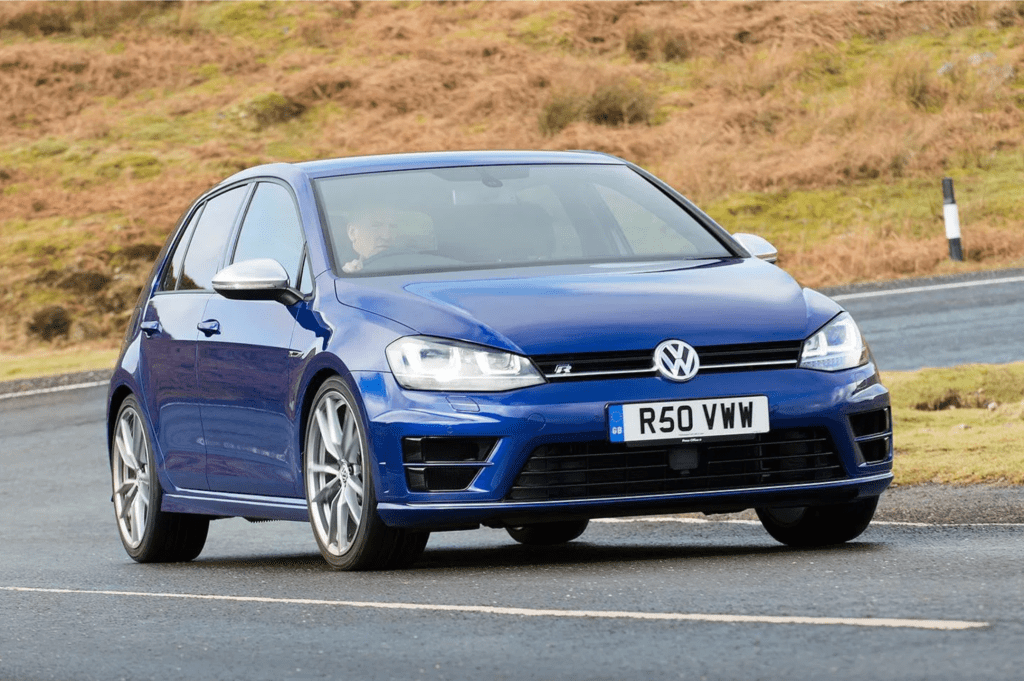
    The Golf R Mk7 is the ultimate Q-car. With its all-wheel drive system and a 2.0-litre turbocharged four-cylinder engine producing around 300bhp, it’s capable of hitting 0 to 62mph in just over five seconds. What makes it especially appealing is that it blends into the everyday landscape, looking much like a standard Golf, yet offers serious pace when pushed. Thanks to clever DSG transmission options and relatively lightweight construction, it delivers thrilling performance with decent fuel economy, achieving around 35 to 40mpg on longer runs. Practicality is excellent too, with five-door variants offering usable rear seats and a reasonable boot. With prices starting from around £11,000 for earlier models, it remains one of the best-value hot hatches on the market.

    BMW 335i (E90/E92)

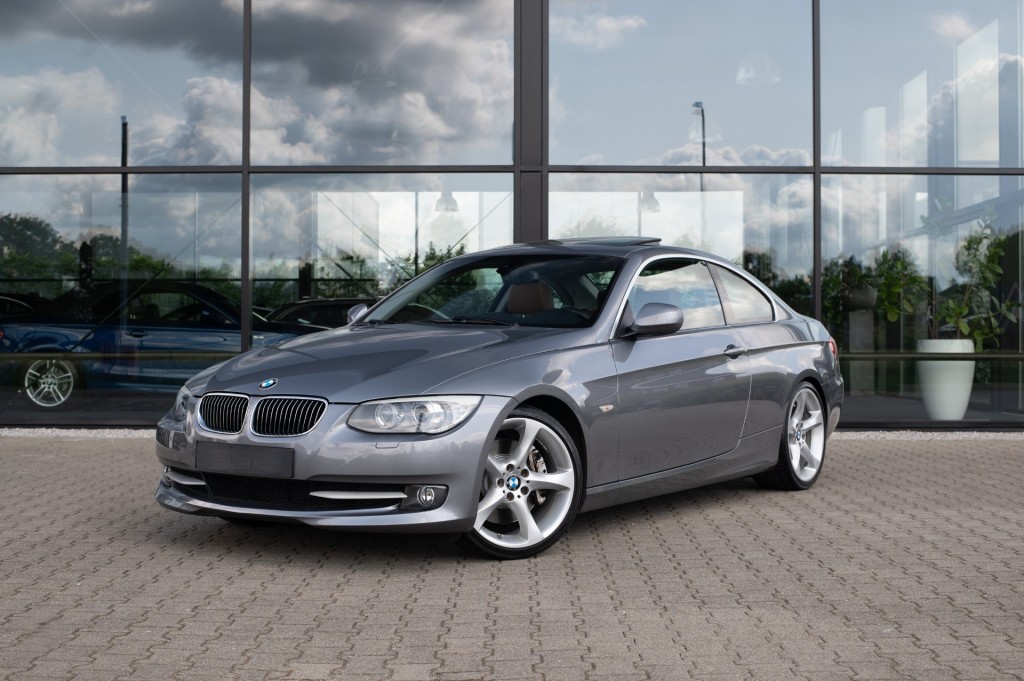
    If you want six-cylinder smoothness and executive comfort, the BMW 335i is a brilliant all-rounder. Powered by a 3.0-litre turbocharged straight-six, the 335i pushes out around 306bhp. It delivers a rich, muscular soundtrack and hits 60mph in about 5.5 seconds. Whether in saloon or coupe form, it offers solid build quality, comfortable seating, and rear-wheel-drive dynamics that still make it a joy to drive today. Fuel economy is acceptable for the performance, hovering around 30mpg combined. Well-maintained examples can be found from around £8,000 to £13,000, depending on mileage and condition, making it a superb entry point into six-cylinder BMW ownership.

    BMW 335d / 435d (F30/F32)

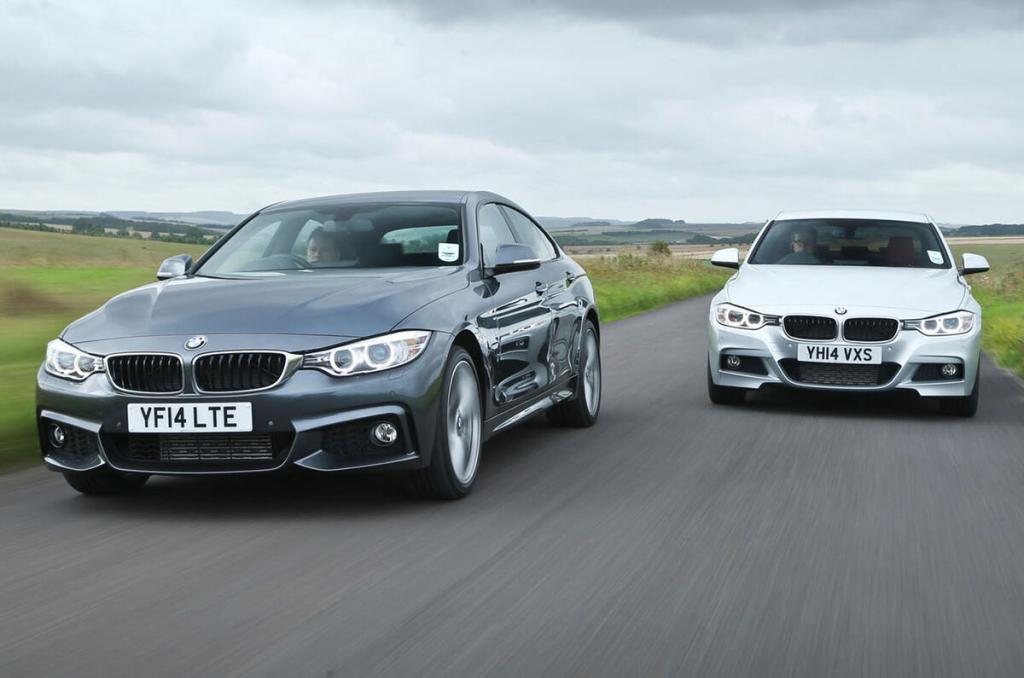
    For those who want performance without sacrificing fuel economy, the BMW 335d and 435d are standout diesel options. Both come with a twin-turbocharged 3.0-litre straight-six diesel engine producing over 300bhp and a monstrous torque figure that makes overtaking effortless. The xDrive all-wheel drive system gives them sure-footed handling, especially in poor weather, while still delivering 0 to 60mph in around 4.7 seconds. Despite their pace, they return impressive fuel economy of over 45mpg on the motorway. The 335d saloon offers executive car practicality, while the 435d coupe brings sleek styling and a more driver-focused feel. Prices can range from £10,000 to just under £15,000 depending on age and specification, making them an excellent value proposition for long-distance drivers who still want punchy performance.

    Infiniti Q50 3.5 V6 Hybrid

    The Infiniti Q50 flies under the radar in the UK but packs some serious performance thanks to its petrol-electric hybrid powertrain. The 3.5-litre V6 hybrid produces just over 300bhp and works in tandem with an electric motor to deliver instant torque and smooth acceleration. It can sprint from 0 to 62mph in around 5.2 seconds while still offering fuel economy in the region of 40mpg in real-world driving. The interior is well-equipped with premium features, and the overall ride is comfortable and refined. Prices for these models hover around the £10,000 mark, offering luxury and pace for not a lot of money. While less common on UK roads, the Q50 Hybrid is a hidden gem worth hunting down.

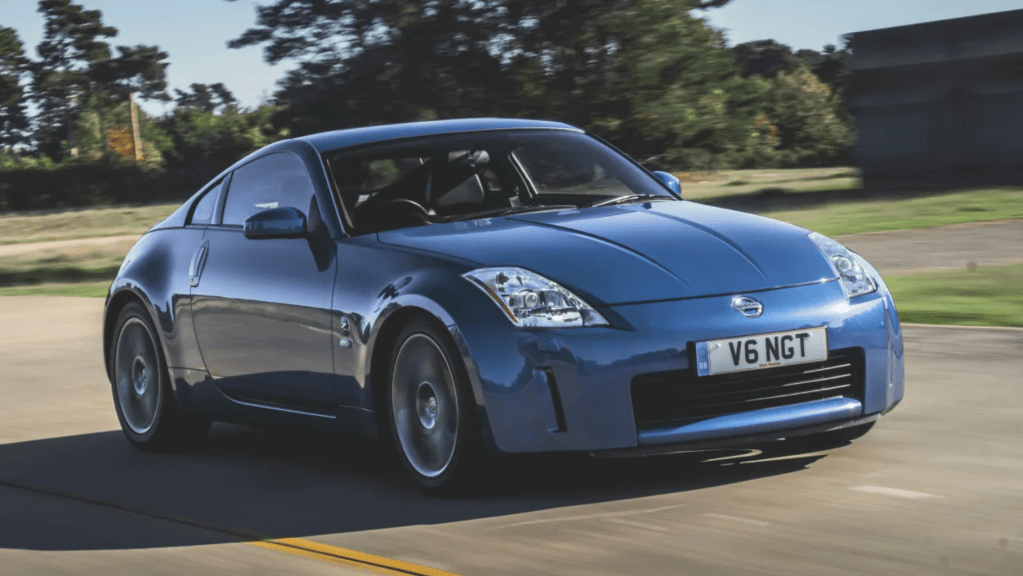
    Nissan 350Z

    If you’re after an old-school sports coupe with raw appeal, the Nissan 350Z is a strong contender. Fitted with a naturally aspirated 3.5-litre V6, it delivers around 300bhp in later versions and provides a rear-wheel-drive setup that rewards enthusiastic driving. The 350Z is all about the driving experience, with a heavy clutch, firm ride, and a muscular exhaust note that adds to the theatre. It’s not the most practical choice, with a small boot and two seats, but for pure driving fun, it’s hard to beat at the price. You can find decent condition models from £6,000 to £10,000, and although economy sits around 25mpg, it’s worth it for the character and feel.

    Final Thoughts

    All of these cars offer a different take on what it means to drive something powerful without breaking the £15,000 barrier. Whether it’s the stealthy pace of the Golf R, the refinement of a six-cylinder BMW, the diesel grunt of the 335d, the hybrid punch of the Q50, or the classic coupe thrills of the 350Z, there’s something here for every enthusiast. Just make sure you factor in running costs, insurance, and maintenance—but as far as power-per-pound goes, these are some of the best bargains in the UK car market today.

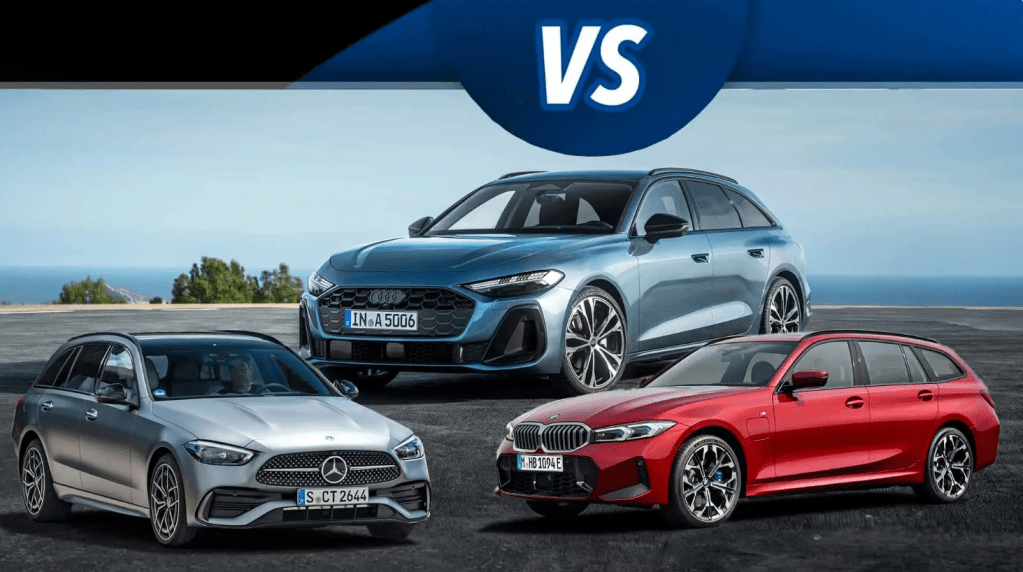
  • The German Saloon Showdown: Audi A5 vs BMW 3 Series vs Mercedes C Class

    The German Saloon Showdown: Audi A5 vs BMW 3 Series vs Mercedes C Class

    Since its July 2024 debut, the third generation Audi A5 saloon and Sportback has taken over from the outgoing A4, offering a sleeker fastback liftback body based on Audi’s new Premium Platform Combustion PPC. Engine options include two petrol four cylinders at 150 PS and 204 PS, a mild hybrid V6 in the S5 producing 367 PS, and two litre diesels with or without quattro, equipped with the new 48 volt MHEV system. The A5 is longer, wider, taller, and sits on an 80 mm longer wheelbase compared to the old A4.

    In contrast, the current BMW 3 Series (G20) launched in 2018. It offers a wide range of engines from efficient petrol and diesel four cylinders up to the plug in hybrid 330e and the M3 performance variants. The chassis remains the benchmark reference in the segment thanks to its athletic balance and rear wheel drive feel, with xDrive available for added grip.

    The Mercedes C Class entered its fifth generation in 2021. Its range includes petrol, diesel, and plug in hybrid options, with both saloon and estate variants. The C Class prioritises refined ride comfort and interior design appeal over outright sporty driving dynamics.

    The Audi A5 stands out for its elegant exterior design and fastback practicality. It is larger and more spacious than its predecessor and offers a calm, composed ride on motorways. However, it does not currently offer full hybrids or plug in variants, which may affect its appeal to tax sensitive buyers. Steering and gearbox response are adequate for daily driving, but not class leading in terms of driver engagement.

    Interior quality in the new A5 has dipped slightly compared to the outgoing A4, particularly in terms of material choices. While the virtual cockpit and OLED screens remain visually impressive, dashboard materials and tactile feedback feel less premium than before.

    The BMW continues to deliver class leading driving engagement. Its chassis provides sharp steering and confident poise through corners, making it the most rewarding car in the segment for keen drivers. Interior materials are of high quality, and the layout feels intuitive and focused, though the design itself is more conservative than that of its rivals.

    The Mercedes C Class offers the most luxurious and attractive interior in the segment. The cabin design features elegant shapes, premium materials, and advanced tech integration. Ride quality is smooth and composed, especially in plug in hybrid and petrol variants. However, it lacks the responsive handling and dynamic feedback found in the BMW.

    So which is the best choice for a luxury German family saloon?

    The BMW 3 Series remains the standout if you prioritise engaging dynamics, high material quality, and a well balanced engine lineup. The Audi A5 appeals with its styling, practicality, and quiet cruising ability, but its interior no longer feels like a class benchmark. The Mercedes C Class is ideal for those who want the most visually appealing and comfortable interior and are willing to trade a bit of driver involvement to get it.

    In the end, your choice depends on your priorities. For the best driving experience and solid build quality, choose the BMW. For sleek design and day to day refinement, the Audi A5 makes a strong case. For the most luxurious cabin and comfort focused feel, the Mercedes C Class is hard to ignore.