Category: Car Reviews

  • BMW 335d GT xDrive 2016

    BMW 335d GT xDrive 2016

    I spent nearly three years with the 2016 BMW 335d GT xDrive M Sport and it remains one of those rare cars that ticks almost every box. Practical, powerful and stylish, it offered a unique blend of attributes that made it stand out not just in the BMW range but across the market. I cherished it throughout my ownership and even invested in upgrading the suspension with Koni FSD dampers and AC Schnitzer springs, which took the driving experience to another level.
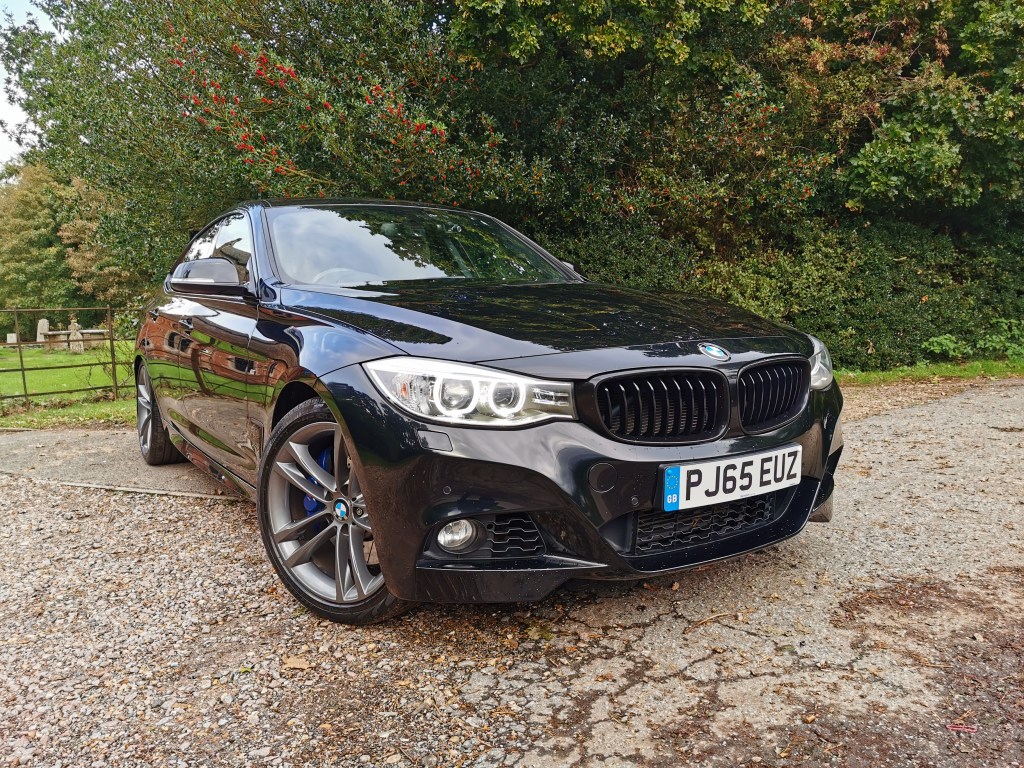
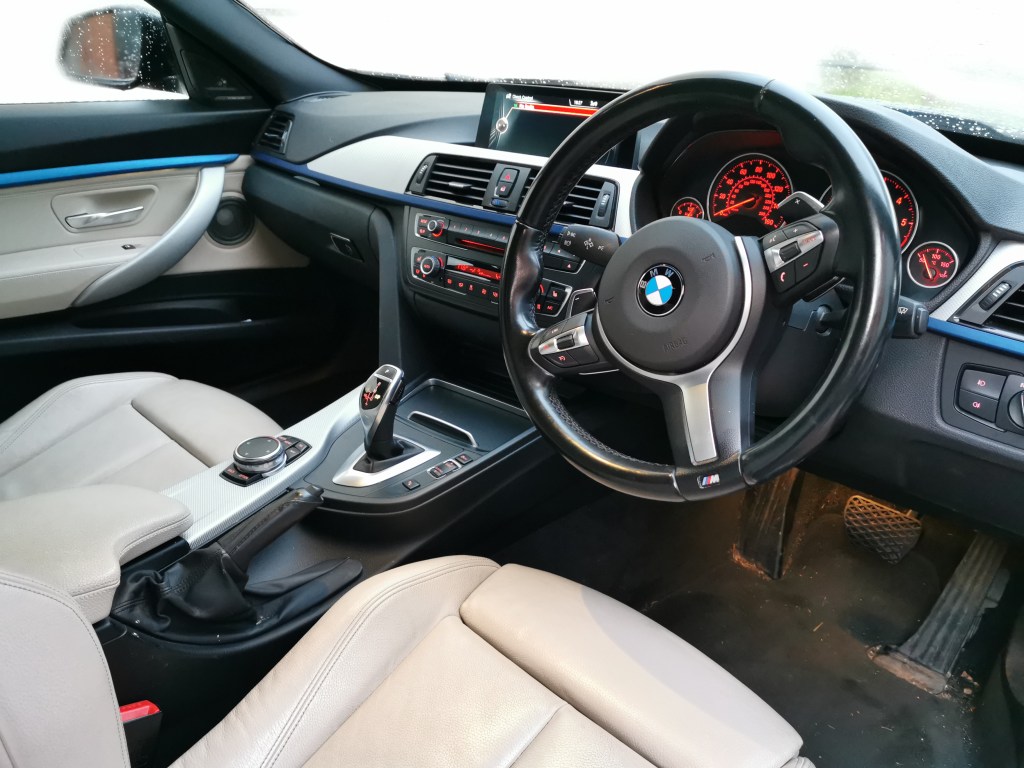
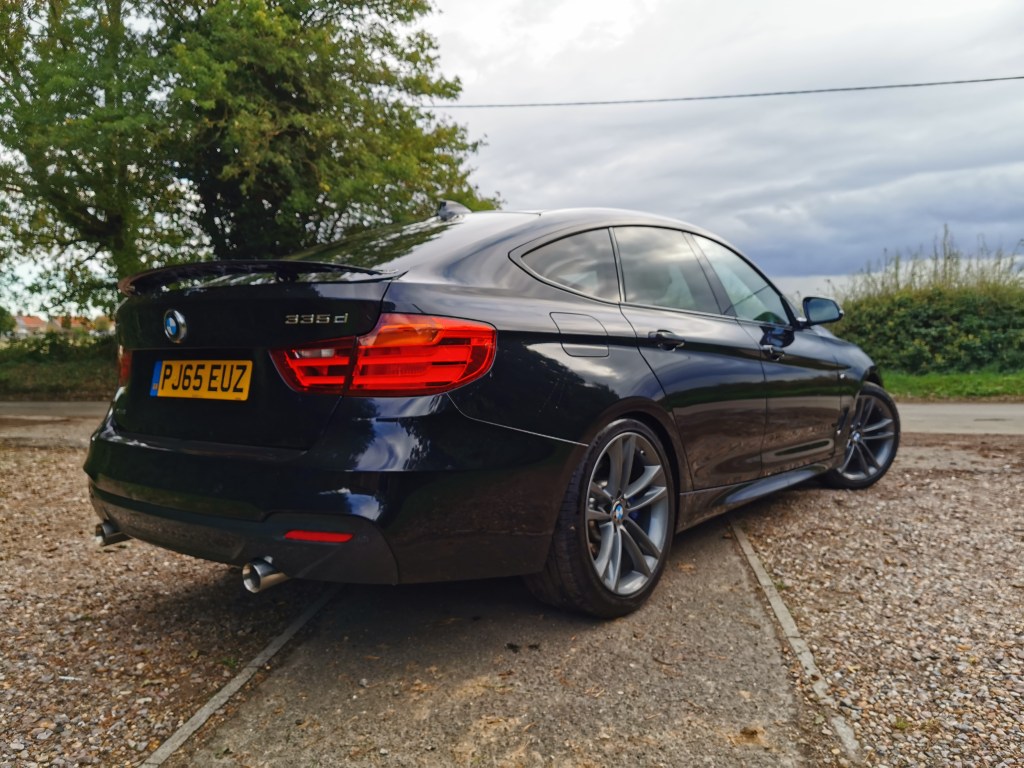
    Finished in Sapphire Black and specified with the M Sport Plus package, this was a car that looked the part. The 19 inch alloy wheels, Shadow Line exterior trim and subtle M Sport body styling gave it a purposeful presence. One particularly clever touch was the active rear spoiler which raised automatically at certain speeds, adding a little drama and aerodynamic function in equal measure. Inside, the contrast of oyster leather and high quality materials made the cabin feel both premium and welcoming. The absence of piano black trim was a bonus, with everything feeling considered and durable. The Professional Navigation system was responsive, clear and up to date, making longer journeys effortless.
    At the heart of the 335d GT was a 3.0 litre straight six twin turbo diesel engine producing around 308 bhp and 630 Nm of torque. It delivered its power with incredible smoothness and authority. The zero to sixty time of around five seconds tells only part of the story. The way it surged forward at any speed, especially in Sport mode, made it feel effortlessly fast in real world conditions. Power delivery was linear and muscular, and with the help of the ZF eight speed automatic gearbox, it felt just as capable darting into gaps in traffic as it did cruising at motorway speeds.

    BMW’s xDrive all wheel drive system ensured traction was always available, especially on damp or uneven roads. Combined with the upgraded suspension setup, the car handled with surprising agility for something so practical. The Koni FSD dampers and AC Schnitzer springs helped reduce body roll and added composure through corners, all while maintaining ride comfort. It gave the GT the poise of a sports saloon with the usability of a family car.

    One of the GT’s most underrated features was its space. The extended wheelbase compared to the regular 3 Series saloon offered excellent rear legroom and the hatchback design meant loading and unloading luggage was far easier. The boot was cavernous and with the rear seats folded flat, it could accommodate bulky items that most saloons simply could not. For those needing genuine practicality without stepping into an SUV, the 335d GT was a perfect fit.
    Fuel economy was another pleasant surprise. Official figures suggested around 50 miles per gallon and I consistently achieved mid to high 40s on longer trips. Given the performance on offer, this level of efficiency made the car even more appealing as a daily driver.

    The ride quality, even before the suspension upgrade, was well judged. With the improvements in place, the balance of comfort and control felt spot on. The upgraded setup gave the car more composure through undulations and corners while still absorbing bumps with confidence. It always felt solid and planted without ever becoming harsh or crashy.

    In summary, the 2016 BMW 335d GT xDrive M Sport was a truly exceptional machine. Blending effortless power, all weather capability, high quality interior appointments and outstanding practicality, it was one of the most complete vehicles I have owned. The suspension upgrades refined an already competent chassis and the GT’s unique blend of space and performance made it feel like a true all rounder. A car I still look back on with genuine fondness and one that quietly outperformed many more obvious choices.
  • BMW 320d M Sport xDrive

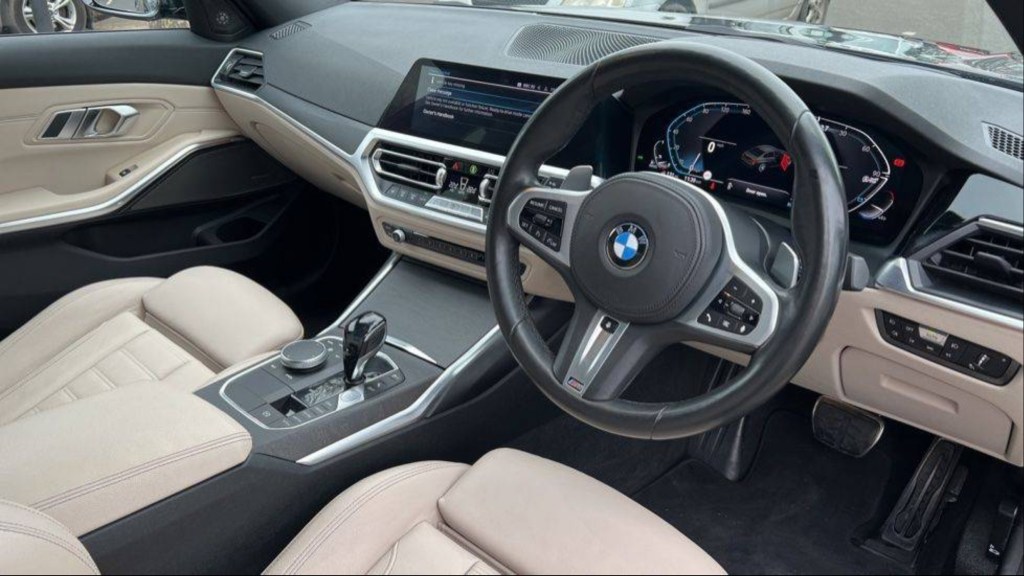
    BMW 320d M Sport xDrive

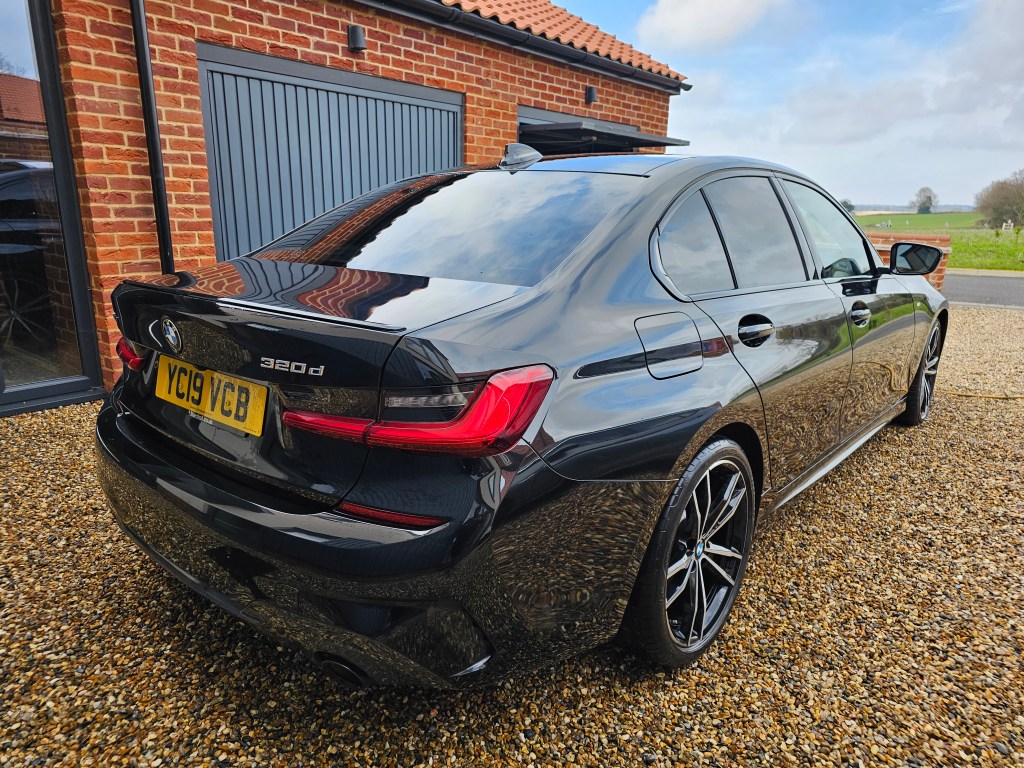
    Over the past few years I have had the opportunity to own and run a range of cars, from powerful petrol performance models to clever hybrids and everything in between. Among them, the G20 BMW 320d xDrive M Sport stands out as one of the most refined and capable all rounders I have had the pleasure of owning. It was a car that played a key role in my work life, tackling A and B road journeys with composure and confidence, while still managing to feel special on the daily drive. Like many of my cars, it eventually made way for something new, not because it disappointed, but simply because I tend to change vehicles often. That, and it had begun to clock up the miles.

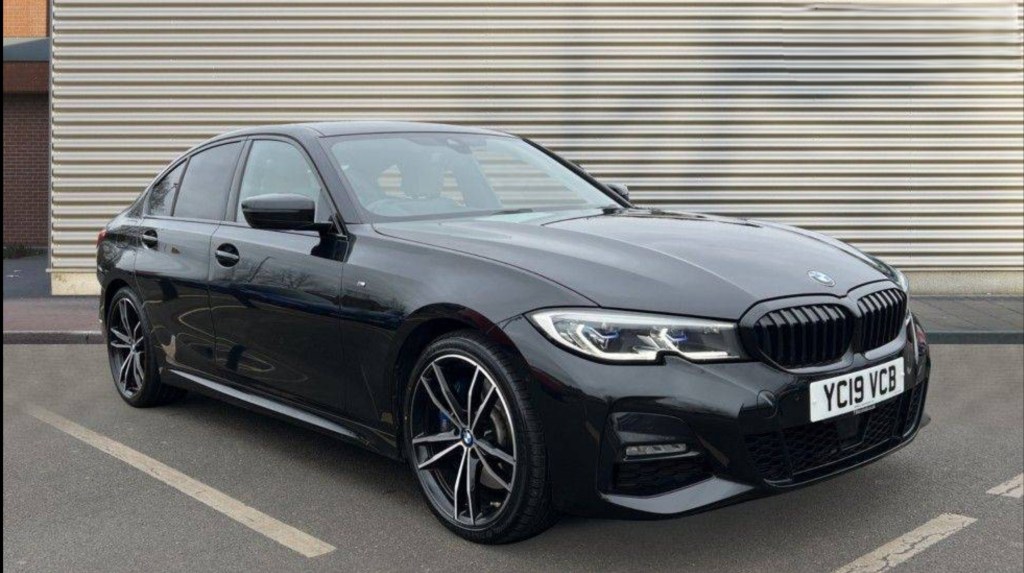
    With the M Sport Plus package and striking 19 inch rims, the car had serious road presence. It was not just practical, it looked genuinely brilliant. The body styling, larger brakes, and Shadow Line trim gave it the kind of understated aggression that suits a premium diesel saloon perfectly.

    Under the bonnet, the 320d was powered by a 2.0 litre four cylinder diesel engine pushing out around 190 bhp and 400 Nm of torque. It was smooth, responsive, and paired beautifully with BMW’s eight speed automatic gearbox. The xDrive all wheel drive system was excellent. Whether threading through rain soaked B roads or eating up miles on the motorway, traction and stability were always on point. It gave a sense of confidence in poor conditions that rear driven models simply cannot match.

    Fuel economy was another strength. While official figures hovered around 50 mpg, I regularly saw high 40s on longer runs. In a world where fuel prices keep creeping up, that kind of economy without sacrificing performance is a win.

    Step inside and the cabin really impressed. Mine came with oyster leather seats and optional wooden trim, thankfully with no piano black plastic in sight. The finish was tasteful, mature, and built to a high standard. The optional head up display proved genuinely useful for motorway work, displaying speed, navigation and other essentials directly in the line of sight. It is the sort of tech that once you have had, you miss in everything else.

    Of course, being a German marque, a lot of these desirable features were optional extras. This is not unique to BMW, Audi and Mercedes are just as guilty, but it is worth noting that many of the things that made this car feel special were added at build stage. Still, when well specced like mine, the result was a car that felt just as premium on the inside as it looked from the outside.

    The handling was classic BMW. Even with xDrive, it retained that well judged steering and rear bias when pushed. It was responsive and composed, but never harsh. The ride, especially with the adaptive suspension, struck a lovely balance between sporty and supple.

    In short, the BMW 320d xDrive M Sport was an exceptional machine. Smart, efficient, good looking and genuinely enjoyable to drive. It made light work of long commutes, never once let me down, and was every bit as classy and capable as you would expect from a car wearing the M Sport badge. It is one I still look back on fondly, and if it were not for my habit of changing cars so often, I would have been happy to keep it even longer.

  • Audi S4 3.0 TFSI 2017

    Audi S4 3.0 TFSI 2017

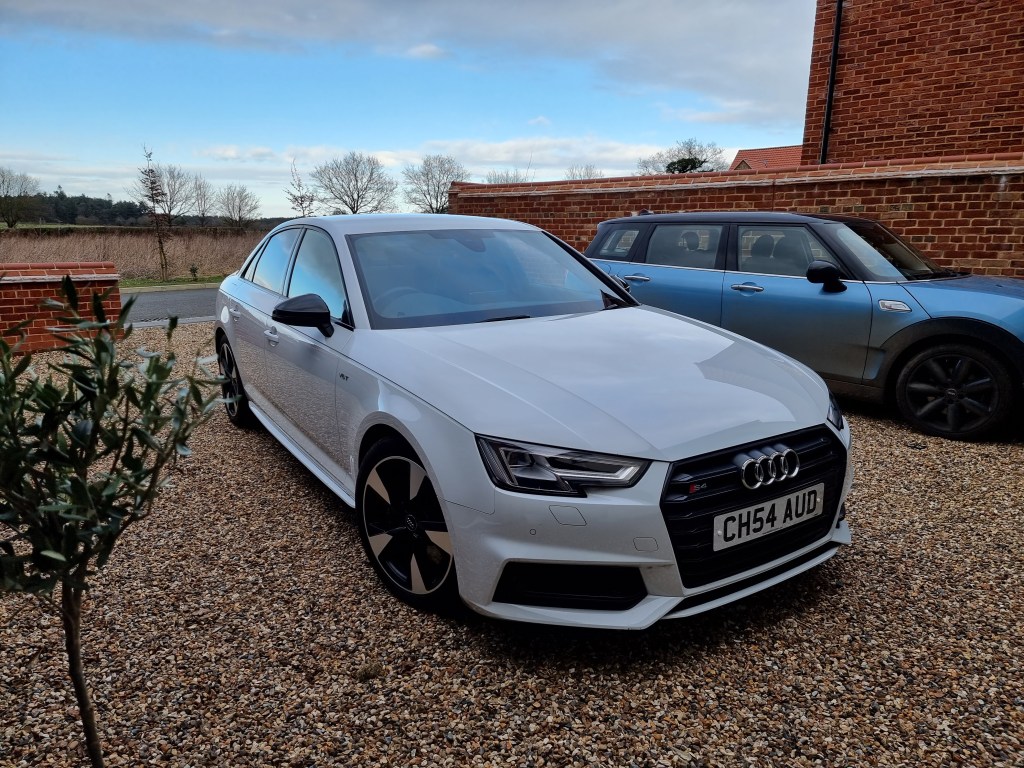
    The Audi S4 B9 3.0 TFSI from 2017 remains one of the most complete and well-rounded performance saloons I’ve had the pleasure of owning. It was a car that felt just right in so many situations. Whether carving through twisty Norfolk B-roads or cruising with the family in comfort, it never felt out of place. It was both an athletic sprinter and a refined long-distance cruiser.

    Powered by a turbocharged 3.0 litre V6 petrol engine producing 354 bhp and 369 lb ft of torque, it replaced the previous generation’s supercharged unit with more power and less weight. Acceleration was immediate and addictive. The quattro all wheel drive system and smooth shifting eight speed Tiptronic gearbox meant 0 to 62 mph was dispatched in just 4.7 seconds. Combined with the relentless traction from the quattro system, the car felt planted and confident even when conditions were far from ideal.

    This wasn’t a car you had to drive fast to enjoy either. In Comfort mode, it cruised along the motorway with ease, offering a refined ride and hushed cabin. Audi’s Drive Select system allowed you to tailor the driving characteristics to suit your mood. Dynamic mode gave you the sharper throttle response and weightier steering you’d expect when pressing on, while Comfort softened everything for long-distance ease.

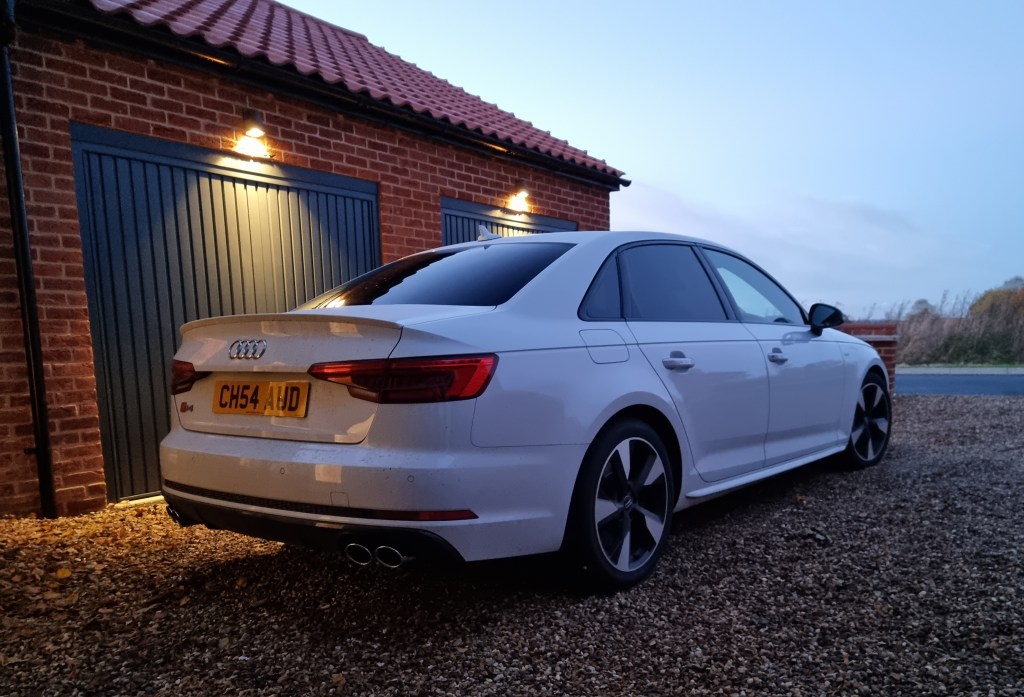
    The interior was another standout feature. Typical Audi quality was on full display, with premium materials, brushed aluminium trim and intuitive MMI controls. My particular model came with the optional massaging front seats which made longer journeys genuinely relaxing. The combination of white exterior paintwork and the Black Edition styling package gave the car real presence on the road without being shouty. It looked every bit as fast as it was.

    One of the often overlooked aspects of the B9 S4 is just how tuneable it is. With 034Motorsport offering an easy ECU flashing solution, the engine can be safely pushed to even more impressive levels. Gains of over 400 bhp are well within reach with just a Stage 1 tune, which transforms the car from quick to seriously rapid.

    To give the S4 context within Audi’s performance range, it traditionally sat just below the RS4 Avant, offering a more discreet and approachable take on Audi’s go-fast estate and saloon lineup. While not quite as hardcore as the RS cars, the S4 delivered a near perfect balance of pace, luxury and usability. In more recent years, the S4 badge has transitioned away from petrol power in favour of a V6 TDI diesel setup in Europe, with the S5 now effectively replacing the S4 in some markets. The diesel versions still offer plenty of torque and all weather confidence, but the character and rev-happy nature of the older petrol-powered B9 is sorely missed by enthusiasts.

    Of course, it wasn’t without its downsides. Fuel economy wasn’t great. Officially it could return around 39 mpg combined but in reality I found it more in the low to mid 20s in mixed driving. The small tank and fairly thirsty V6 meant visits to the pump were more regular than I’d have liked.

    Still, the S4 delivered such a well judged balance of performance and everyday usability that it was hard to fault. It could be fun, fast, refined and practical all in the same day. Sadly, I had to part ways with it due to an increasingly long commute, but it remains one of the most memorable and versatile cars I’ve owned.

    If you’re after a quick saloon that doesn’t compromise on comfort or class, the 2017 Audi S4 B9 is still a top choice.

  • Mercedes A200d AMG Line Premium 2020

    Mercedes A200d AMG Line Premium 2020

    Let me start with a confession. Parting with my Audi S4 (the one with the soulful, Porsche-developed V6) wasn’t easy. That car had character, performance, and a soundtrack I never got tired of. But with a new job came a new reality: a 100-mile daily commute. And as much as I loved the S4, averaging 24mpg while burning through tyres and brake pads wasn’t exactly sustainable.

    So, reluctantly, I started the search for something… sensible. Economical. Grown-up. A few spreadsheets later, I found myself signing for a Mercedes A-Class A200d AMG Line Premium. I told myself it was temporary. A stopgap. But the truth is, on paper, it made a strong case.

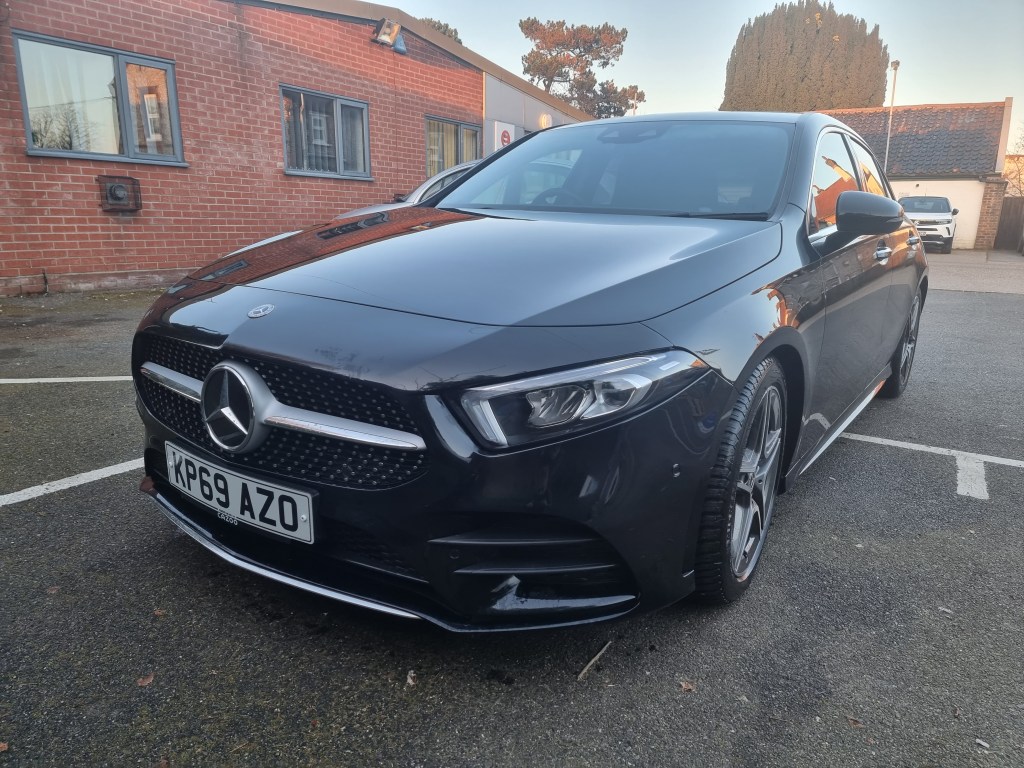
    And to be fair, first impressions were excellent. The A-Class is easily one of the best-looking hatchbacks out there. The AMG Line styling, with its sharp creases, diamond grille and aggressive stance, makes it look far more expensive than it is. It’s a car that turns heads without shouting. The premium vibe continues inside too, with the twin screens, turbine-style vents, ambient lighting, and a design that genuinely impresses – especially if you’ve come from something older or more utilitarian.

    But dig a little deeper and it’s not all gloss. Some of the interior plastics (particularly lower down) feel a bit brittle and out of place in an otherwise sleek cabin. And while the MBUX infotainment system is excellent (responsive, sharp, and intuitive), it’s frankly cheeky that you have to pay a subscription to unlock Apple CarPlay or Android Auto. In 2020. In a premium car. Come on, Mercedes.

    Performance-wise, the 2.0-litre diesel is more than adequate. With 150bhp, it’s not fast in the traditional sense, but it pulls well, cruises effortlessly, and makes light work of long journeys. The fuel economy was a highlight—over 70mpg on a gentle run wasn’t uncommon, and even with spirited driving, it rarely dipped below 50mpg. For someone commuting 500 miles a week, that quickly becomes a big win.

    The automatic gearbox is a little lazy, particularly off the line or when you suddenly need a lower gear. It’s not the sharpest unit, but you learn to anticipate its lag, and it becomes tolerable.

    Sadly, the A-Class fell apart (sometimes literally) in one crucial area: ride quality. This AMG Line version comes with ‘lowered comfort suspension’, and on anything but freshly laid tarmac, it’s just not pleasant. On my Norfolk backroads, it was bouncy, underdamped, and soft, with the car frequently scraping its underside on crests and undulations. It felt like the damping hadn’t been properly calibrated for UK roads – especially not for the countryside.

    And that, ultimately, was its undoing. For all the things the A-Class got right (style, tech, economy) it was let down by that unpredictable, frustrating ride. I could overlook the sluggish gearbox, the plastic buttons, even the subscription nonsense. But not a suspension setup that made every commute a game of “will it scrape this time?” The final straw came when I drove over a discarded coffee cup (yes, an actual paper cup) and the underside still managed to scrape the exhaust. At that point, I realised I wasn’t just dodging potholes anymore – I was dodging litter. That was the moment I knew: it had to go.

    Would I recommend it? Yes – but choose wisely. Avoid the comfort suspension if you live anywhere remotely rural. If your commute is mostly motorway or city-based, it might just be the perfect blend of style, comfort, and efficiency. But for me, it wasn’t built for the kind of roads I had to face every day.

    A good car, just not quite the right one.

  • Vauxhall Astra GSe 2024

    Vauxhall Astra GSe 2024

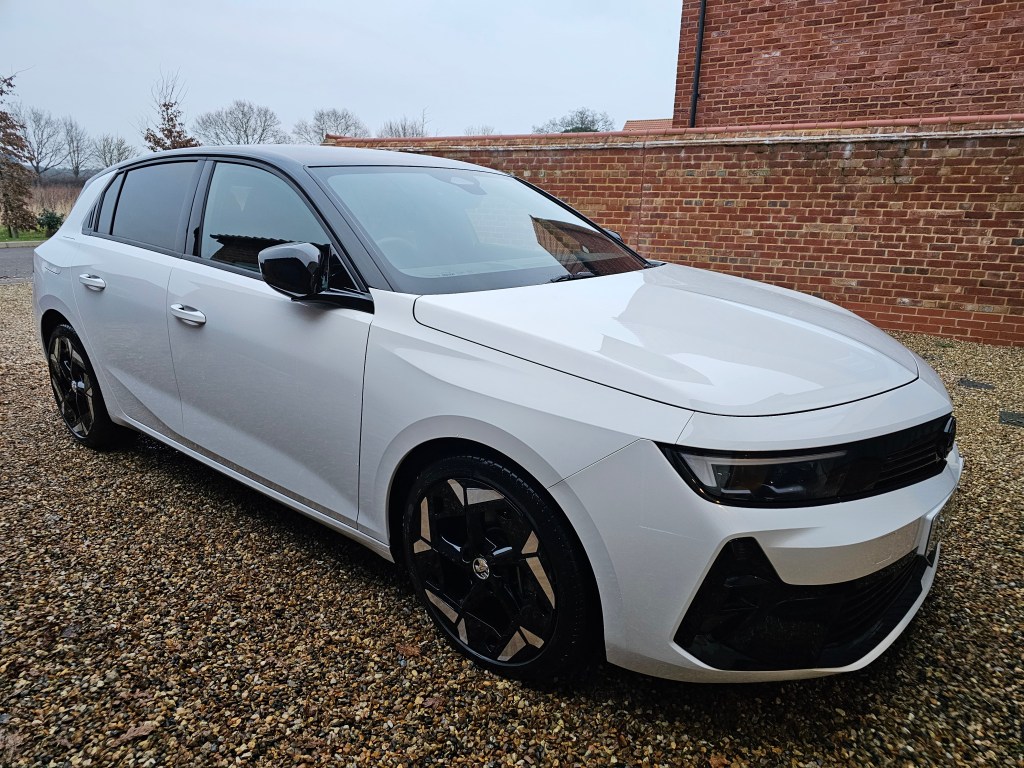
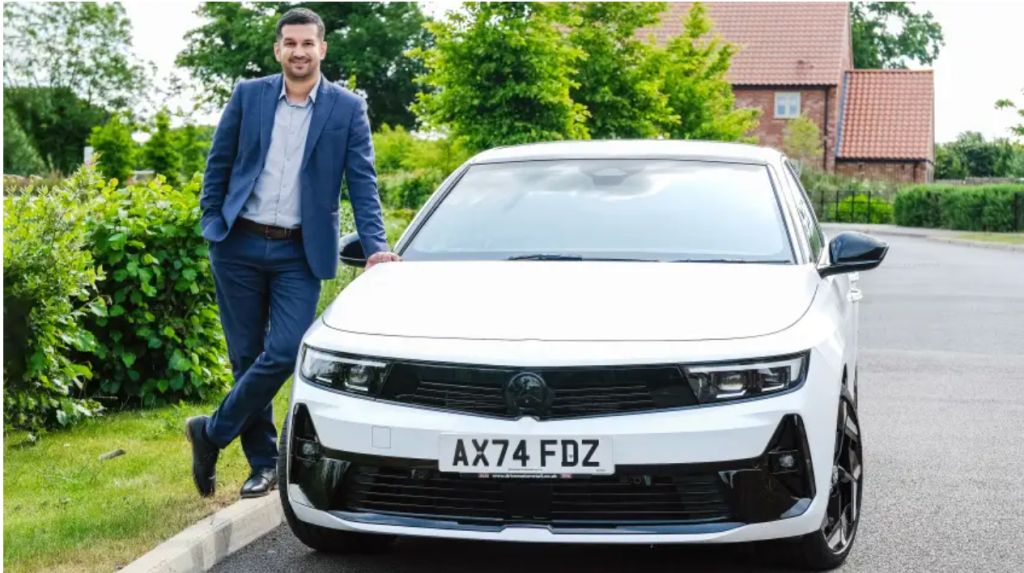
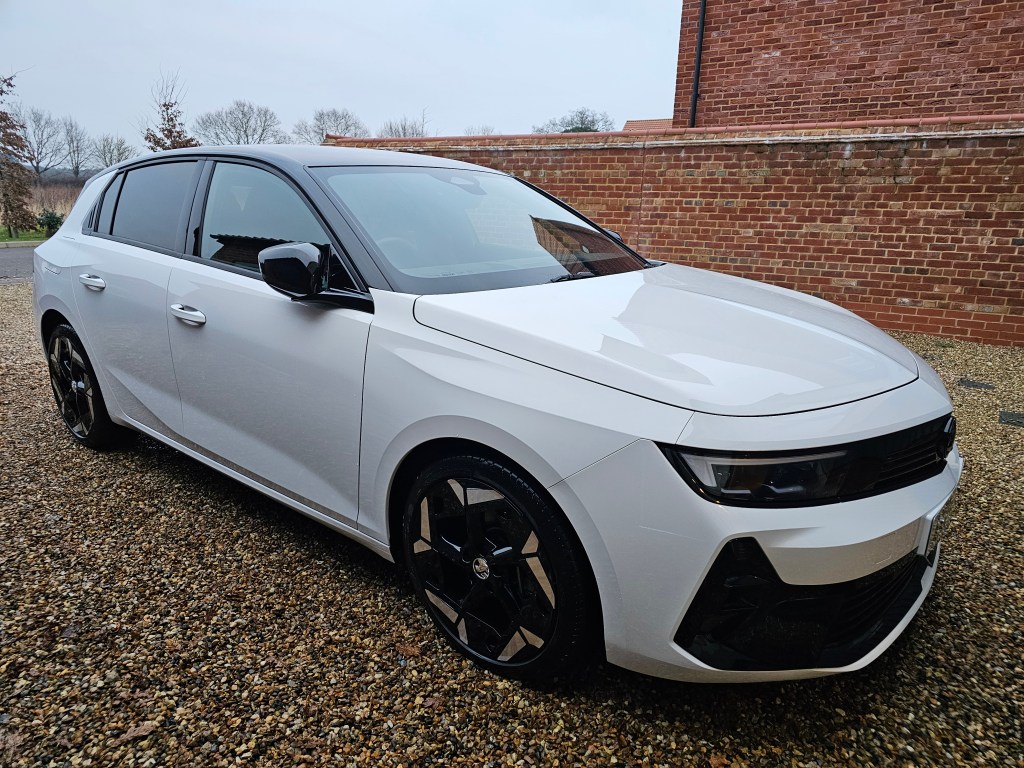
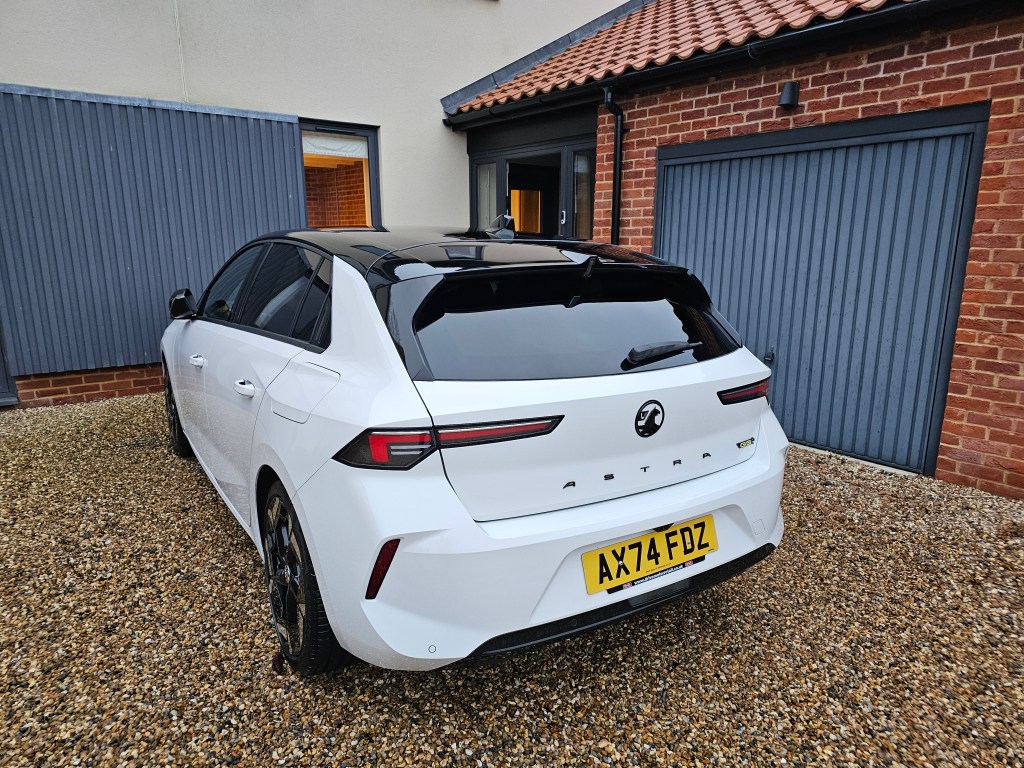
    Firstly, I feel the need to provide some context about why I decided to purchase what, on paper, appears suspiciously like an overpriced Peugeot 308 sporting a Vauxhall Astra badge. Admittedly, neither Vauxhall nor Peugeot (both now part of Stellantis) are brands typically associated with passionate car enthusiasts. Yet here I am, keys in hand and fully committed.

    My search began with the desire for an economical, sharp-handling hatchback offering a decent dose of power. The Astra GSe quickly surfaced alongside established plug-in hybrid rivals like the Golf GTE and Cupra Leon e-Hybrid. Ultimately, though, my decision was driven more by a remarkable financial opportunity rather than outright enthusiasm. I stumbled across an incredible deal at a local dealership, knocking £15,000 off the Astra GSe’s somewhat ludicrous £42,000 list price. At £27,000, the Astra GSe suddenly became a compelling prospect.

    The crucial question now is: have I regretted this decision?

    Happily, the answer is no—but with an important caveat. Anyone expecting the Astra GSe to be a raw, exhilarating sports hatchback will likely feel short-changed. Despite its sporty and rather handsome appearance, and a respectable 222bhp hybrid powertrain, the car isn’t built to deliver the visceral excitement you’d find in dedicated hot hatches like the Golf GTI or Hyundai i30 N. The performance, while undeniably swift (0–62 mph in around 7.5 seconds), feels mature and refined rather than outright thrilling. The somewhat sluggish eight-speed automatic gearbox isn’t overly enthusiastic about spirited driving, although it’s perfectly adequate for overtaking slow-moving tractors on rural roads.

    However, viewed through a practical lens, the Astra GSe genuinely impresses. It excels as an efficient, comfortable, and premium-feeling hatchback. The plug-in hybrid setup officially claims around 40 miles of pure electric range—though, in real-world conditions, I typically achieve between 25 and 30 miles. The interior, on the whole, is impressively upmarket, featuring high-quality materials, a slick infotainment system, and exceptionally comfortable Alcantara-trimmed seats. Indeed, the AGR-certified seats are particularly commendable for their excellent back support. After six months and over 10,000 miles, I have no notable complaints regarding build quality—no unwanted squeaks or rattles. My one minor grievance involves the piano-black trim around the centre console. It’s baffling why any car manufacturer opts for this scratch-prone, glare-inducing material—though in fairness, it’s not exclusive to the Astra.

    On the plus side, the Astra GSe is generously equipped, featuring as standard a head-up display, heated steering wheel, digital instrument cluster, heated seats, and an electrically adjustable driver’s seat.

    Handling-wise, the Astra feels confident and composed, though it doesn’t truly inspire enthusiastic driving. The adaptive Koni Frequency Selective Damping (FSD) suspension, however, deserves special praise. It strikes an excellent balance between everyday comfort and controlled stiffness when pushed. Still, the vehicle’s weight quickly reveals the suspension’s limits when driven aggressively.

    In summary, the Astra GSe is genuinely excellent—provided you’re realistic about what it offers. It won’t deliver hot-hatch thrills, but as a refined, stylish, economical family hatchback with just enough sporty character, it excels. At full price, it would be a tough recommendation, but at the significant discount I secured, it quickly becomes a surprisingly brilliant buy.

    No regrets here.