With electric vehicles becoming more common on UK roads and government policy nudging us toward cleaner transport, I recently found myself facing the same question many drivers are asking: Is it time to go fully electric?
I started by looking at the facts. Fully electric vehicles (EVs) are ideal for city life. They are smooth, quiet, and perfect for local commuting with zero exhaust emissions. If your routine is built around short journeys, frequent stops, and you’ve got easy access to home or workplace charging, they’re a brilliant choice. But if your life involves long distances, rural living, or a bit of the unknown, the reality becomes a lot more complex.
That’s where I found myself. I live in very rural Norfolk and my daily round trip to work is about 100 miles. Add to that regular trips to visit friends and family across the country (London, Manchester, the Lake District, and even the odd road trip to Scotland) and suddenly the maths around full electric didn’t stack up. Charging infrastructure in cities is improving fast, but in the sticks? Not quite there yet. And I didn’t fancy range anxiety on a dark B-road in midwinter.
I quickly ruled out full hybrids (HEVs). They’re a great option for city dwellers – just look at how many old Priuses are still buzzing around London. But for longer distances and rural settings, the fuel efficiency gains drop off. Without a plug, you’re basically relying on the petrol engine and a bit of electric assistance from regenerative braking. It’s not enough for the type of driving I do.
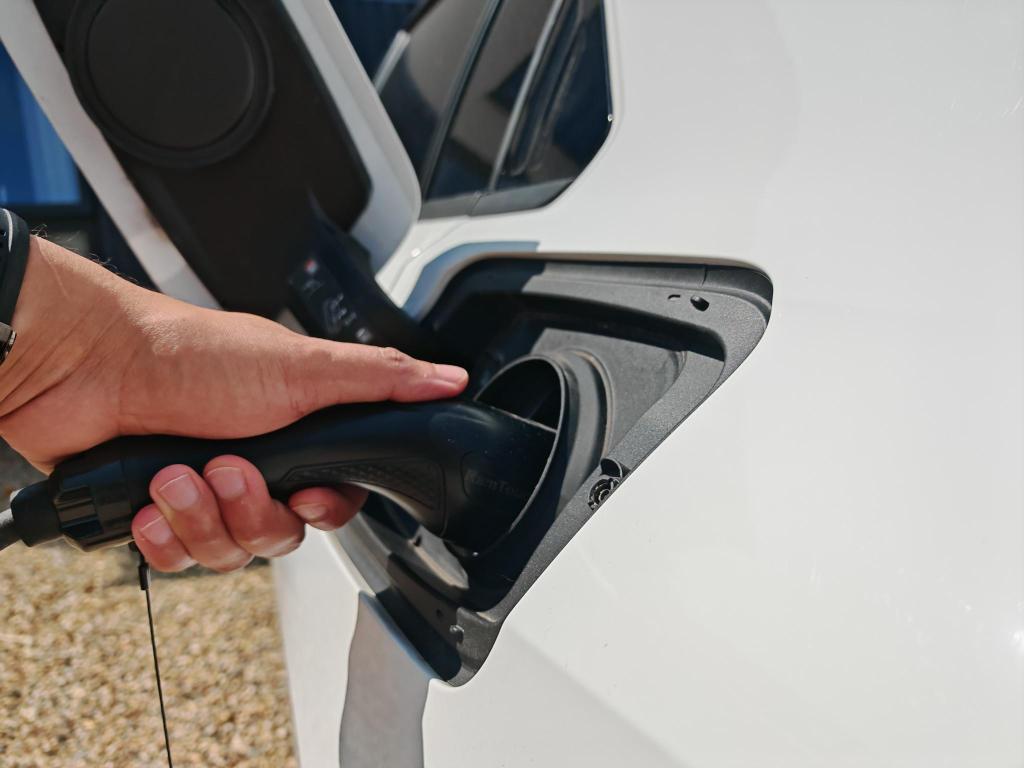
So I took a punt on a plug-in hybrid (PHEV). And I’m glad I did. As long as you plug in nightly, you’re getting the best of both worlds. On short local trips, I run purely on electric, and for longer journeys I benefit from a petrol engine that’s backed up by electric support. The result? Regular journeys where I’m nudging over 100 mpg. Charging costs me around 90p a night at home. No range anxiety. No endless planning around charge stops. Just flexibility, savings, and peace of mind.
It’s not a perfect system. PHEVs only really make sense if you’re disciplined about charging. But for someone like me- rural-based, high mileage, and regularly heading cross-country- it’s the only option that genuinely works without compromise.
So while EVs are absolutely the future, and HEVs have a solid place in urban driving, don’t overlook the humble PHEV. For many of us living outside major cities, it’s the smartest transition point before full electric becomes practical for everyone.

Leave a comment